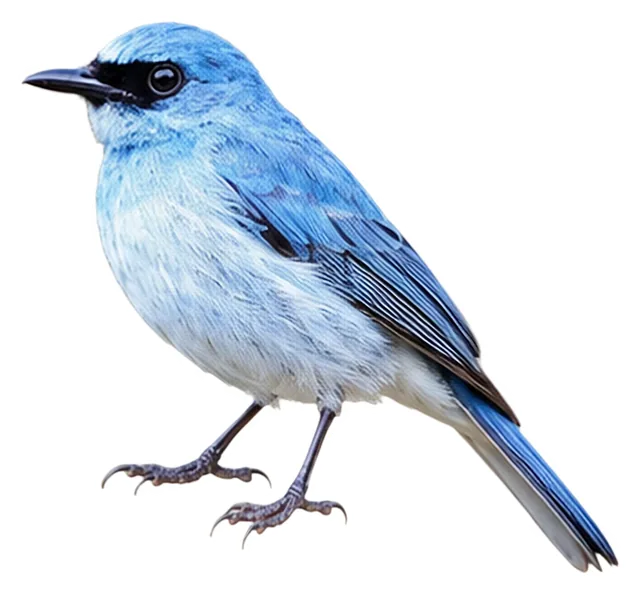
Turquoise Flycatcher
Eumyias panayensis Sharpe, 1877
20 gWeight
The turquoise flycatcher (Eumyias panayensis), also known as the island flycatcher, is a species of bird in the family Muscicapidae.
Busiest months: March · Most records: Philippines, Indonesia
Where and when it's recorded
Busiest months: March · Most records: Philippines, Indonesia

Turquoise Flycatcher has been recorded at 21 of the 8,276 birding hotspots we track, in 2 countries and regions.
Records by month Northern Hemisphere
Where it's recorded most
- Lore Lindu NP – Lake Tambing vicinityIndonesia358 records
- Lake HolonPhilippines327 records
- Mt. Tagubud, New BataanPhilippines326 records
More places
- Mt. PolisPhilippines276 records
- Mt. Kitanglad Range Natural Park – Mid-level TrailsPhilippines184 records
- Gunung MahawuIndonesia172 records
- Mt. Kitanglad Range Natural Park – Del Monte LodgePhilippines169 records
- Gunung MahawuIndonesia149 records
- Lore Lindu NPIndonesia126 records
- Sawai Village RoadIndonesia124 records
Countries and regions with the most records
eBird records via GBIF up to 2024-12-31. A record means someone listed it; more records partly mean more birders, not more birds.
About
The turquoise flycatcher (Eumyias panayensis), also known as the island flycatcher, is a species of bird in the family Muscicapidae. It is found in Indonesia (Sulawesi, Maluku, Ambon) and the Philippines. Its natural habitat is subtropical or tropical moist montane forests.
Excerpt from Wikipedia, CC BY-SA 4.0 · authors · Read more on Wikipedia
Questions
How big is the Turquoise Flycatcher?
The Turquoise Flycatcher weighs around 20 g.
Where does the Turquoise Flycatcher live?
Its breeding range: Australasia: montane Sulawesi, Moluccas and Philippines (except Palawan group, East Visayas and Sulu Archipelago). It is most often recorded in Philippines and Indonesia.
When is the best time to see the Turquoise Flycatcher?
At the hotspots we track, it is recorded most in March (Northern Hemisphere).
Is the Turquoise Flycatcher endangered?
The IUCN Red List classifies the Turquoise Flycatcher as Least Concern.
What does the Turquoise Flycatcher eat?
Main food: Insects & other invertebrates.
What family is the Turquoise Flycatcher in?
It belongs to the family Chats, Old World Flycatchers (Muscicapidae), order Passerines (Passeriformes).
At a glance
- Weight
- 20 g
- Habitat
- Forest
- Diet
- Insects & other invertebrates
- Lifestyle
- Perches in trees
- Migration
- Resident (barely migrates)
- Conservation
- Least Concern
More measurements
- Wing
- 76 mm
- Tail
- 64 mm
- Bill
- 14 mm
- Tarsus
- 17 mm
Averages from the AVONET dataset; length from field guides where available.
Range
Australasia: montane Sulawesi, Moluccas and Philippines (except Palawan group, East Visayas and Sulu Archipelago)
Breeding range, IOC World Bird List 15.2
Classification
- Order
- Passerines Passeriformes
- Family
- Chats, Old World Flycatchers Muscicapidae
- Genus
- Eumyias
Other birds in the genus Eumyias
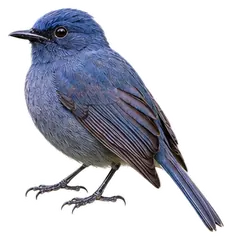 Nilgiri FlycatcherEumyias albicaudatus
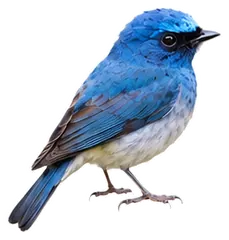 Indigo FlycatcherEumyias indigo
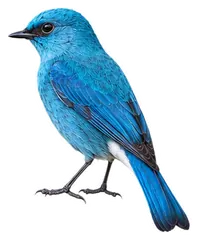 Verditer FlycatcherEumyias thalassinus
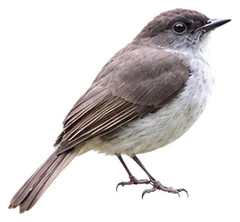 Buru Jungle FlycatcherEumyias additus
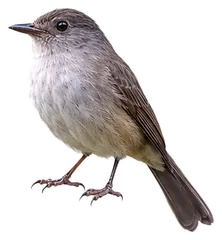 Matinan Blue FlycatcherEumyias sanfordi
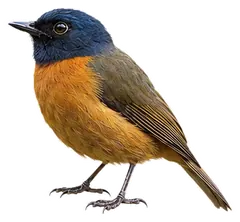 Blue-fronted Blue FlycatcherEumyias hoevelli
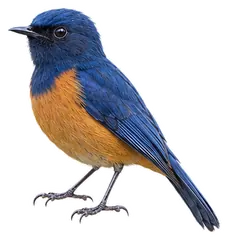 Timor Blue FlycatcherEumyias hyacinthinus
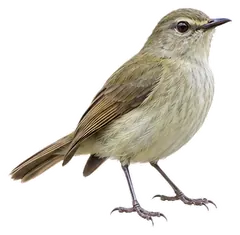 Flores Jungle FlycatcherEumyias oscillans
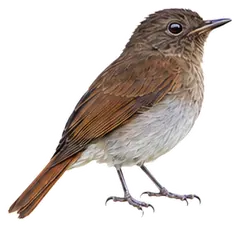 Sumba Jungle FlycatcherEumyias stresemanni
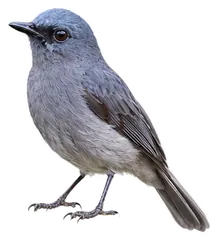 Dull-blue FlycatcherEumyias sordidus
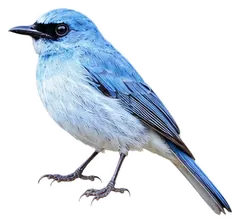
Download illustration
Free to use with credit: “Illustration: Bird Album (birdalbum.com)”. Drawn by AI from a reference photo by Вадим Ивушкин. ↗
Heard it but can't see it? Mingji identifies birds by sound and photo, on your phone.
In other languages
- EnglishTurquoise Flycatcher
- 简体中文岛仙鹟
- 繁體中文島仙鶲
- 日本語アオムネヒタキ
- DeutschAzurschnäpper
- FrançaisGobemouche des îles
- EspañolPapamoscas isleño
- Portuguêspapa-moscas-turquesa
- ItalianoPigliamosche insulare
- NederlandsPanayvliegenvanger
- РусскийЛазурная мухоловка
- Svenskacyanflugsnappare
- DanskFilippinsk Irfluesnapper
- Polskimodrówka lazurowa