 Bird Album
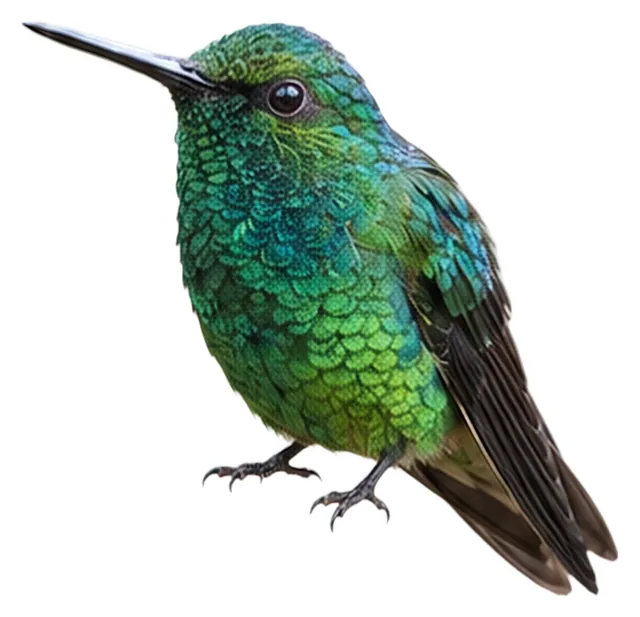
Western Emerald
Chlorostilbon melanorhynchus Gould, 1860
11–11 cmLength2.6 gWeight
The western emerald (Chlorostilbon melanorhynchus) is a species of hummingbird in the "emeralds", tribe Trochilini of subfamily Trochilinae.
Busiest months: February and November · Most records: Colombia, Ecuador
Where and when it's recorded

Western Emerald has been recorded at 117 of the 8,171 birding hotspots we track, in 2 countries and regions.
Records by month Northern Hemisphere
Where it's recorded most
- Camino Montezuma – Montezuma Rainforest LodgeColombia1,430 records
- Hotel Tinamú Birding Nature ReserveColombia1,155 records
- Tandayapa Bird LodgeEcuador1,024 records
More places
- Puembo Birding GardenEcuador993 records
- Alambi ReserveEcuador963 records
- Alto Anchicayá - El DescansoColombia891 records
- PNN Tatamá – Camino MontezumaColombia772 records
- La Florida - Bosque de Las AvesColombia763 records
- Lodge Paraíso Verde - ManizalesColombia582 records
- Hostería San José de PuemboEcuador543 records
Countries and regions with the most records
eBird records via GBIF up to 2024-12-31. A record means someone listed it; more records partly mean more birders, not more birds.
About
The western emerald (Chlorostilbon melanorhynchus) is a species of hummingbird in the "emeralds", tribe Trochilini of subfamily Trochilinae. It is found in Colombia and Ecuador.
Excerpt from Wikipedia, CC BY-SA 4.0 · authors · Read more on Wikipedia
Questions
How big is the Western Emerald?
The Western Emerald is about 11–11 cm long and weighs around 2.6 g.
Where does the Western Emerald live?
Its breeding range: South America: western Colombia and western, central Ecuador. It is most often recorded in Colombia and Ecuador.
When is the best time to see the Western Emerald?
At the hotspots we track, it is recorded most in February and November (Northern Hemisphere).
What does the Western Emerald eat?
Main food: Nectar.
What family is the Western Emerald in?
It belongs to the family Hummingbirds (Trochilidae), order Apodiformes.
At a glance
- Length
- 11–11 cm
- Weight
- 2.6 g
- Habitat
- Forest
- Diet
- Nectar
- Lifestyle
- Feeds in the air
- Migration
- Partial migrant
More measurements
- Wing
- 45 mm
- Tail
- 27 mm
- Bill
- 16 mm
- Tarsus
- 4 mm
Averages from the AVONET dataset; length from field guides where available.
Range
South America: western Colombia and western, central Ecuador
Breeding range, IOC World Bird List 15.2
Classification
- Order
- Apodiformes
- Family
- Hummingbirds Trochilidae
- Genus
- Chlorostilbon
Other birds in the genus Chlorostilbon
 Garden EmeraldChlorostilbon assimilis
 Red-billed EmeraldChlorostilbon gibsoni
 Blue-tailed EmeraldChlorostilbon mellisugus
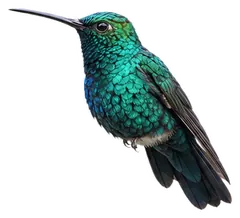 Chiribiquete EmeraldChlorostilbon olivaresi
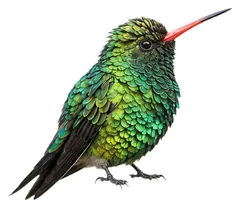 Glittering-bellied EmeraldChlorostilbon lucidus
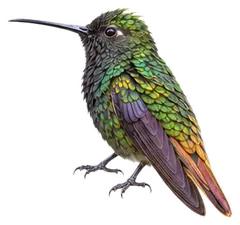 Coppery EmeraldChlorostilbon russatus
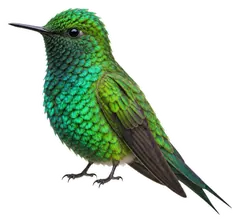 Narrow-tailed EmeraldChlorostilbon stenurus
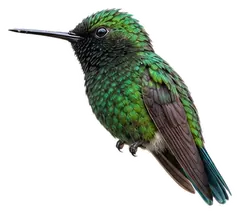 Green-tailed EmeraldChlorostilbon alice
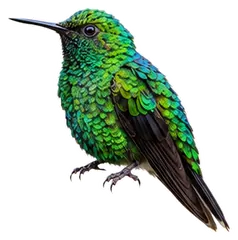 Short-tailed EmeraldChlorostilbon poortmani
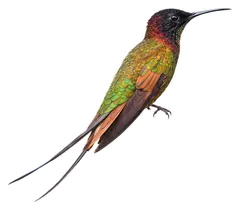 Crimson TopazTopaza pella
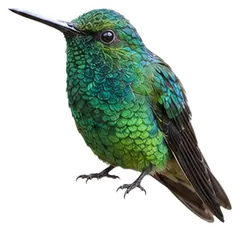
Download illustration
Free to use with credit: “Illustration: Bird Album (birdalbum.com)”. Drawn by AI from a reference photo by Laura Gooch. ↗
Heard it but can't see it? Mingji identifies birds by sound and photo, on your phone.
In other languages
- EnglishWestern Emerald
- 简体中文西翠蜂鸟
- 繁體中文西方藍尾翠蜂鳥
- 日本語ニシアンデスエメラルドハチドリ
- DeutschHochland-Smaragdkolibri
- FrançaisÉmeraude à bec noir
- EspañolEsmeralda de los Andes Occidentales
- Portuguêsesmeralda-dos-andes-ocidentais
- ItalianoSmeraldo occidentale
- NederlandsWest-Andessmaragdkolibrie
- РусскийЧерноклювый изумруд
- Svenskavästandinsk smaragd
- DanskVestsmaragd
- Polskizłocik czarnodzioby