 Bird Album
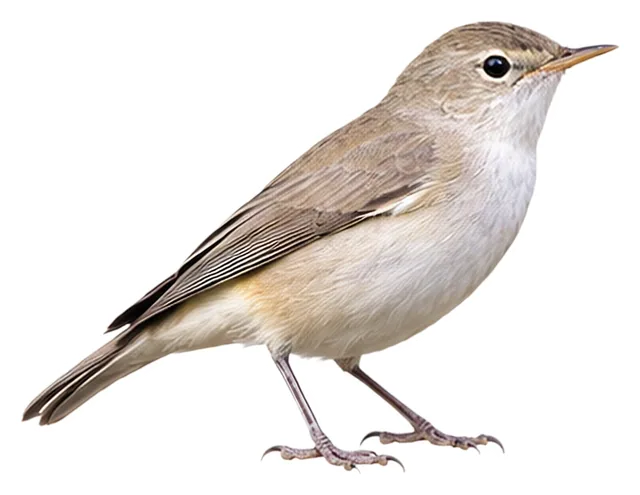
Western Olivaceous Warbler
Iduna opaca (Cabanis, 1851)
9 gWeight
The western olivaceous warbler (Iduna opaca), also known as the isabelline warbler, is a "warbler", formerly placed in the Old World warblers when these were a paraphyletic wastebin taxon.
Busiest months: April–May · Most records: Spain, Morocco, Gambia
Where and when it's recorded

Western Olivaceous Warbler has been recorded at 140 of the 8,171 birding hotspots we track, in 19 countries and regions.
Records by month Northern Hemisphere
Where it's recorded most
- Dehesa de AbajoSpain245 records
- Oued Massa – champs d'AghorimzeMorocco228 records
- Lagunas de Camino ColoradoSpain208 records
More places
- Córdoba – Sotos de AlbolafiaSpain202 records
- Badajoz – Azud del GuadianaSpain199 records
- Brazo del Este PjeNat – ÁreaSpain186 records
- Bango – Djeuss et berges jusqu'à SanarSenegal162 records
- Campement de WassadouSenegal134 records
- Desembocadura del Guadalhorce – ÁreaSpain128 records
- PN Sous-Massa – Estuaire de l'Oued MassaMorocco123 records
Countries and regions with the most records
eBird records via GBIF up to 2024-12-31. A record means someone listed it; more records partly mean more birders, not more birds.
About
The western olivaceous warbler (Iduna opaca), also known as the isabelline warbler, is a "warbler", formerly placed in the Old World warblers when these were a paraphyletic wastebin taxon. It is now considered a member of the acrocephaline warblers, Acrocephalidae, in the tree warbler genus Iduna. It was formerly regarded as part of a wider "olivaceous warbler" species, but as a result of modern taxonomic developments, this species is now usually considered distinct from the eastern olivaceous warbler, Iduna pallida.
Excerpt from Wikipedia, CC BY-SA 4.0 · authors · Read more on Wikipedia
Questions
How big is the Western Olivaceous Warbler?
The Western Olivaceous Warbler weighs around 9 g.
Where does the Western Olivaceous Warbler live?
Its breeding range: Palearctic: southwestern Europe and northwestern Africa. It is most often recorded in Spain, Morocco and Gambia.
When is the best time to see the Western Olivaceous Warbler?
At the hotspots we track, it is recorded most in April and May (Northern Hemisphere).
Is the Western Olivaceous Warbler endangered?
The IUCN Red List classifies the Western Olivaceous Warbler as Least Concern.
What does the Western Olivaceous Warbler eat?
Main food: Insects & other invertebrates.
What family is the Western Olivaceous Warbler in?
It belongs to the family Reed Warblers & Allies (Acrocephalidae), order Passerines (Passeriformes).
At a glance
- Weight
- 9 g
- Habitat
- Shrubland
- Diet
- Insects & other invertebrates
- Lifestyle
- Perches in trees
- Migration
- Migratory
- Conservation
- Least Concern
More measurements
- Wing
- 69 mm
- Tail
- 58 mm
- Bill
- 17 mm
- Tarsus
- 23 mm
Averages from the AVONET dataset; length from field guides where available.
Range
Palearctic: southwestern Europe and northwestern Africa
Breeding range, IOC World Bird List 15.2
Classification
- Order
- Passerines Passeriformes
- Family
- Reed Warblers & Allies Acrocephalidae
- Genus
- Iduna
Other birds in the genus Iduna
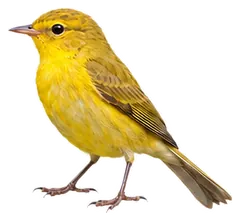 African Yellow WarblerIduna natalensis
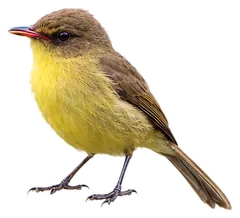 Mountain Yellow WarblerIduna similis
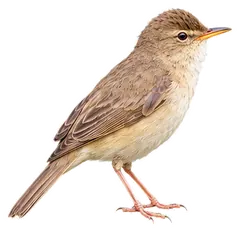 Booted WarblerIduna caligata
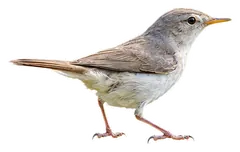 Sykes's WarblerIduna rama
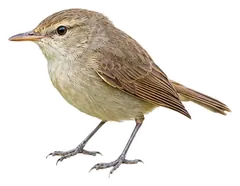 Eastern Olivaceous WarblerIduna pallida
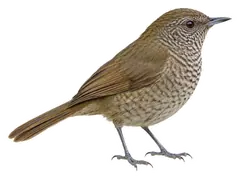 Grauer's WarblerGraueria vittata
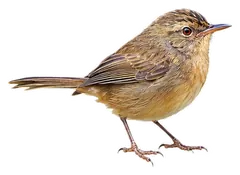 Malagasy Brush WarblerNesillas typica
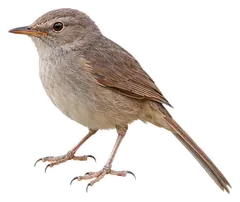 Subdesert Brush WarblerNesillas lantzii
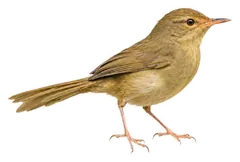 Anjouan Brush WarblerNesillas longicaudata
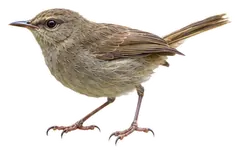 Grande Comore Brush WarblerNesillas brevicaudata
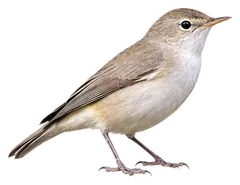
Download illustration
Free to use with credit: “Illustration: Bird Album (birdalbum.com)”. Drawn by AI from reference photos. ↗
Heard it but can't see it? Mingji identifies birds by sound and photo, on your phone.
In other languages
- EnglishWestern Olivaceous Warbler
- 简体中文西草绿篱莺
- 繁體中文西方草綠蘺鶯
- 日本語ニシハイイロウタムシクイ
- DeutschIsabellspötter
- FrançaisHypolaïs obscure
- EspañolZarcero bereber
- Portuguêsfelosa-berbere
- ItalianoCanapino pallido occidentale
- NederlandsWestelijke Vale Spotvogel
- РусскийБуланая бормотушка
- Svenskamacchiasångare
- DanskVestlig Bleg Gulbug
- Polskizaganiacz płowy