 Bird Album
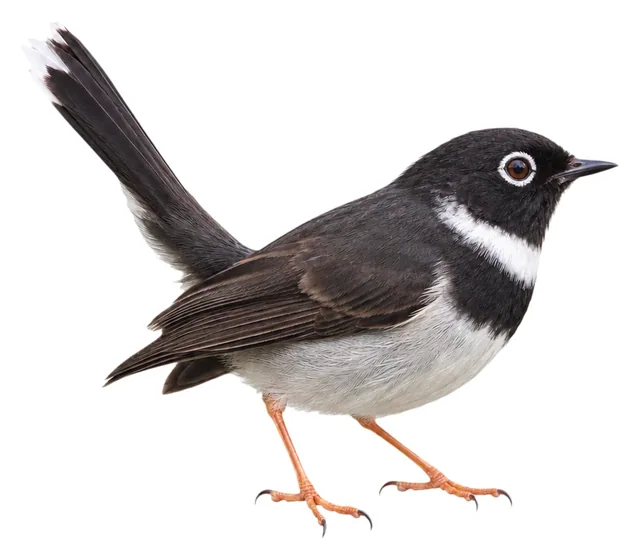
Whistling Warbler
Catharopeza bishopi (Lawrence, 1878)
15 gWeight
The whistling warbler (Catharopeza bishopi) is a species of bird in the New World warbler family.
Busiest months: March–April · Most records: St. Vincent & Grenadines
Where and when it's recorded

Whistling Warbler has been recorded at 5 of the 8,171 birding hotspots we track, in 1 country or region.
Records by month Northern Hemisphere
Where it's recorded most
- St. Vincent Parrot Preserve – Vermont trailSt. Vincent & Grenadines110 records
- Montreal TrailSt. Vincent & Grenadines50 records
- Vermont Nature TrailSt. Vincent & Grenadines28 records
More places
- Montreal GardensSt. Vincent & Grenadines18 records
- Beachcombers HotelSt. Vincent & Grenadines7 records
Countries and regions with the most records
eBird records via GBIF up to 2024-12-31. A record means someone listed it; more records partly mean more birders, not more birds.
About
The whistling warbler (Catharopeza bishopi) is a species of bird in the New World warbler family. It is monotypic within the genus Catharopeza. It has a dark back that fades into a lighter gradient going towards the chest.
Excerpt from Wikipedia, CC BY-SA 4.0 · authors · Read more on Wikipedia
Questions
How big is the Whistling Warbler?
The Whistling Warbler weighs around 15 g.
Where does the Whistling Warbler live?
Its breeding range: North America: St. Vincent. It is most often recorded in St. Vincent & Grenadines.
When is the best time to see the Whistling Warbler?
At the hotspots we track, it is recorded most in March and April (Northern Hemisphere).
Is the Whistling Warbler endangered?
The IUCN Red List classifies the Whistling Warbler as Endangered.
What does the Whistling Warbler eat?
Main food: Insects & other invertebrates.
What family is the Whistling Warbler in?
It belongs to the family New World Warblers (Parulidae), order Passerines (Passeriformes).
At a glance
- Weight
- 15 g
- Habitat
- Forest
- Diet
- Insects & other invertebrates
- Lifestyle
- Perches in trees
- Migration
- Resident (barely migrates)
- Conservation
- Endangered
More measurements
- Wing
- 67 mm
- Tail
- 50 mm
- Bill
- 16 mm
- Tarsus
- 23 mm
Averages from the AVONET dataset; length from field guides where available.
Range
North America: St. Vincent
Breeding range, IOC World Bird List 15.2
Classification
- Order
- Passerines Passeriformes
- Family
- New World Warblers Parulidae
- Genus
- Catharopeza
More from the family New World Warblers
 OvenbirdSeiurus aurocapilla
 Worm-eating WarblerHelmitheros vermivorum
 Louisiana WaterthrushParkesia motacilla
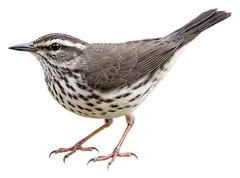 Northern WaterthrushParkesia noveboracensis
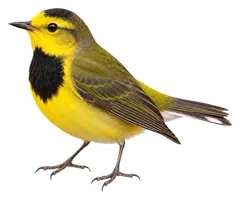 Bachman's WarblerVermivora bachmanii
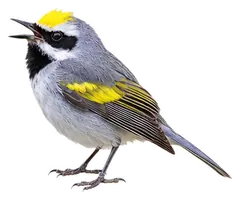 Golden-winged WarblerVermivora chrysoptera
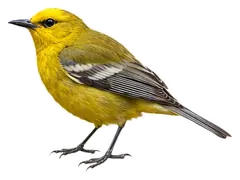 Blue-winged WarblerVermivora cyanoptera
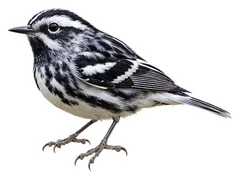 Black-and-white WarblerMniotilta varia
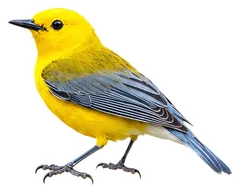 Prothonotary WarblerProtonotaria citrea
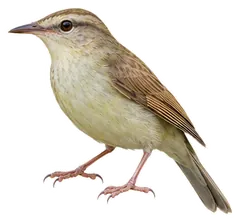 Swainson's WarblerLimnothlypis swainsonii
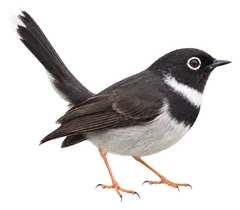
Download illustration
Free to use with credit: “Illustration: Bird Album (birdalbum.com)”. Drawn by AI from reference photos.
Heard it but can't see it? Mingji identifies birds by sound and photo, on your phone.
In other languages
- EnglishWhistling Warbler
- 简体中文啸森莺
- 繁體中文嘯森鶯
- 日本語メジロアメリカムシクイ
- DeutschPfeifwaldsänger
- FrançaisParuline de Saint-Vincent
- EspañolReinita de San Vicente
- Portuguêsmariquita-de-são-vicente
- ItalianoParula fischiatrice
- NederlandsSint-Vincentzanger
- РусскийСвистящая древесница
- Svenskasaintvincentskogssångare
- DanskFløjtesanger
- Polskilasówka okularowa