 Bird Album
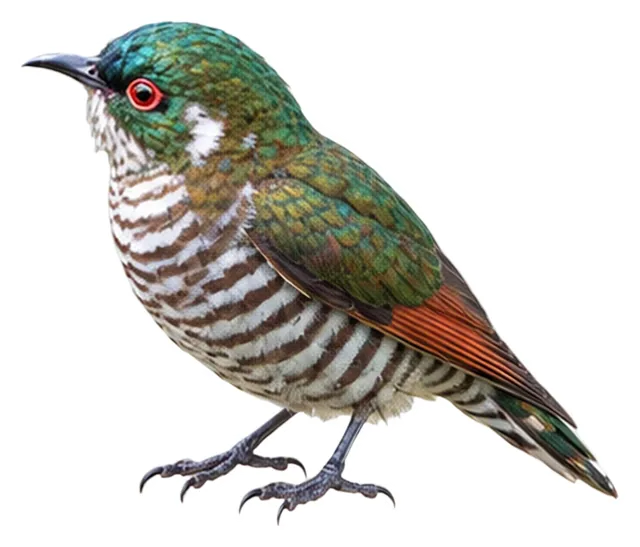
White-eared Bronze Cuckoo
Chalcites meyerii (Salvadori, 1874)
19 gWeight
Busiest months: July–August · Most records: Papua New Guinea, Indonesia
Where and when it's recorded

White-eared Bronze Cuckoo has been recorded at 22 of the 8,171 birding hotspots we track, in 2 countries and regions.
Records by month Southern Hemisphere
Where it's recorded most
- Dablin Creek RoadPapua New Guinea108 records
- Tabubil AreaPapua New Guinea63 records
- Minggre Birdwatching HomestayIndonesia50 records
More places
- Arfak Mtns – MaybriIndonesia30 records
- Varirata National ParkPapua New Guinea28 records
- Arfak Mtns – German CampIndonesia21 records
- Ok Menga Hydro IntakePapua New Guinea14 records
- Rondon Ridge LodgePapua New Guinea6 records
- MalagufukIndonesia6 records
- West Waigeo birding roadIndonesia6 records
Countries and regions with the most records
eBird records via GBIF up to 2024-12-31. A record means someone listed it; more records partly mean more birders, not more birds.
Questions
How big is the White-eared Bronze Cuckoo?
The White-eared Bronze Cuckoo weighs around 19 g.
Where does the White-eared Bronze Cuckoo live?
Its breeding range: Australasia: montane Batanta (Raja Ampat Islands, northwest of New Guinea), New Guinea and Goodenough (D'Entrecasteaux Archipelago, east of southeastern New Guinea). It is most often recorded in Papua New Guinea and Indonesia.
When is the best time to see the White-eared Bronze Cuckoo?
At the hotspots we track, it is recorded most in July and August (Southern Hemisphere).
Is the White-eared Bronze Cuckoo endangered?
The IUCN Red List classifies the White-eared Bronze Cuckoo as Least Concern.
What does the White-eared Bronze Cuckoo eat?
Main food: Insects & other invertebrates.
What family is the White-eared Bronze Cuckoo in?
It belongs to the family Cuckoos (Cuculidae), order Cuculiformes.
At a glance
- Weight
- 19 g
- Habitat
- Forest
- Diet
- Insects & other invertebrates
- Lifestyle
- Perches in trees
- Migration
- Resident (barely migrates)
- Conservation
- Least Concern
More measurements
- Wing
- 90 mm
- Tail
- 62 mm
- Bill
- 17 mm
- Tarsus
- 16 mm
Averages from the AVONET dataset; length from field guides where available.
Range
Australasia: montane Batanta (Raja Ampat Islands, northwest of New Guinea), New Guinea and Goodenough (D'Entrecasteaux Archipelago, east of southeastern New Guinea)
Breeding range, IOC World Bird List 15.2
Classification
- Order
- Cuculiformes
- Family
- Cuckoos Cuculidae
- Genus
- Chalcites
Other birds in the genus Chalcites
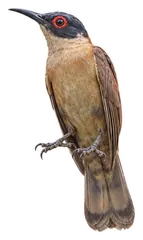 Long-billed CuckooChalcites megarhynchus
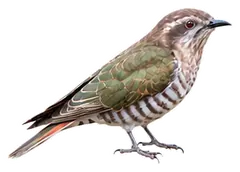 Horsfield's Bronze CuckooChalcites basalis
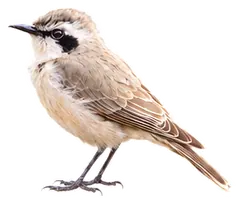 Black-eared CuckooChalcites osculans
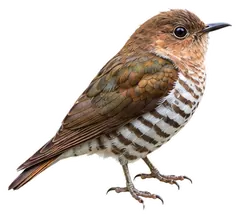 Rufous-throated Bronze CuckooChalcites ruficollis
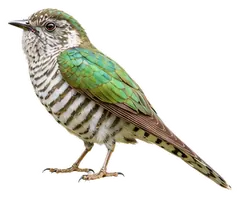 Shining Bronze CuckooChalcites lucidus
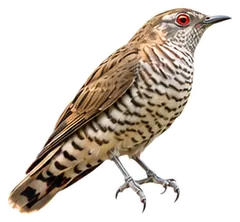 Little Bronze CuckooChalcites minutillus
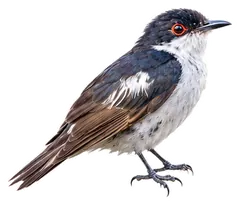 Pied Bronze CuckooChalcites crassirostris
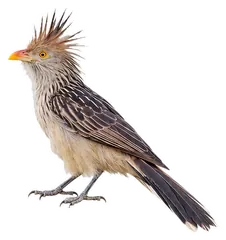 Guira CuckooGuira guira
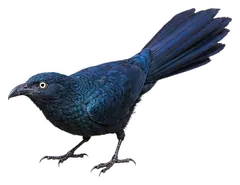 Greater AniCrotophaga major
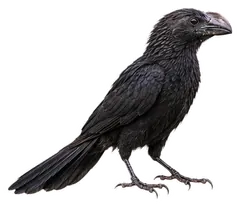 Smooth-billed AniCrotophaga ani
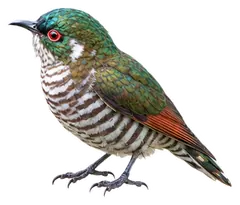
Download illustration
Free to use with credit: “Illustration: Bird Album (birdalbum.com)”. Drawn by AI from a reference photo by Nik Borrow. ↗
Heard it but can't see it? Mingji identifies birds by sound and photo, on your phone.
In other languages
- EnglishWhite-eared Bronze Cuckoo
- 简体中文铜翅金鹃
- 繁體中文銅翅金鵑
- 日本語パプアテリカッコウ
- DeutschRotschwingen-Bronzekuckuck
- FrançaisCoucou de Meyer
- EspañolCuclillo orejiblanco
- Portuguêscuco-de-orelha-branca
- ItalianoCuculo bronzeo guancebianche
- NederlandsMeyers Bronskoekoek
- РусскийКраснокрылая кукушка
- Svenskavitörad glansgök
- DanskRødvinget Bronzegøg
- Polskikukułeczka białoucha