 Bird Album
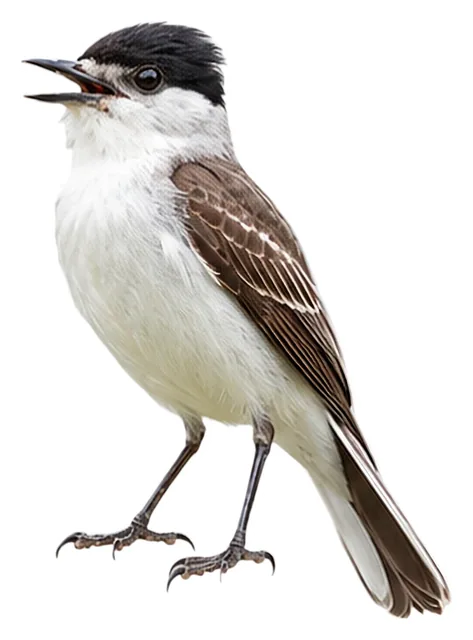
White-naped Xenopsaris
Xenopsaris albinucha (Burmeister, 1869)
13 cmLength10 gWeight
The white-naped xenopsaris (Xenopsaris albinucha), also known as the reed becard and white-naped becard, is a species of suboscine bird in the family Tityridae, the only member of the genus Xenopsaris.
Busiest months: October–November · Most records: Argentina, Brazil, Venezuela
Where and when it's recorded

White-naped Xenopsaris has been recorded at 104 of the 8,171 birding hotspots we track, in 7 countries and regions.
Records by month Southern Hemisphere
Where it's recorded most
- CeibasArgentina274 records
- Ceibas – TerraplénArgentina238 records
- Potengi – Sítio Pau PretoBrazil178 records
More places
- PE do EspinilhoBrazil140 records
- Ceibas – Ea. Campo BajoArgentina80 records
- Ceibas – camino Cuatro HermanasArgentina69 records
- Surama EcoLodgeGuyana63 records
- TarataraVenezuela59 records
- Hato El CedralVenezuela55 records
- Pantanal – P. Jofre boat on Rio Cuiabá & tributariesBrazil52 records
Countries and regions with the most records
eBird records via GBIF up to 2024-12-31. A record means someone listed it; more records partly mean more birders, not more birds.
About
The white-naped xenopsaris (Xenopsaris albinucha), also known as the reed becard and white-naped becard, is a species of suboscine bird in the family Tityridae, the only member of the genus Xenopsaris. It is found in South America, in humid subtropical and tropical savanna climates in most of the countries east of the Andes: Venezuela, Brazil, Bolivia, Paraguay, Uruguay, and Argentina. Living in open woodland and other open forest habitats, it is mostly sedentary, though some populations may be migratory.
Excerpt from Wikipedia, CC BY-SA 4.0 · authors · Read more on Wikipedia
Questions
How big is the White-naped Xenopsaris?
The White-naped Xenopsaris is about 13 cm long and weighs around 10 g.
Where does the White-naped Xenopsaris live?
Its breeding range: South America: northern, eastern Brazil to northern Argentina. It is most often recorded in Argentina, Brazil and Venezuela.
When is the best time to see the White-naped Xenopsaris?
At the hotspots we track, it is recorded most in October and November (Southern Hemisphere).
Is the White-naped Xenopsaris endangered?
The IUCN Red List classifies the White-naped Xenopsaris as Least Concern.
What does the White-naped Xenopsaris eat?
Main food: Insects & other invertebrates.
What family is the White-naped Xenopsaris in?
It belongs to the family Tityras, Becards & Allies (Tityridae), order Passerines (Passeriformes).
At a glance
- Length
- 13 cm
- Weight
- 10 g
- Habitat
- Forest
- Diet
- Insects & other invertebrates
- Lifestyle
- Perches in trees
- Migration
- Partial migrant
- Conservation
- Least Concern
More measurements
- Wing
- 64 mm
- Tail
- 58 mm
- Bill
- 11 mm
- Tarsus
- 14 mm
Averages from the AVONET dataset; length from field guides where available.
Range
South America: northern, eastern Brazil to northern Argentina
Breeding range, IOC World Bird List 15.2
Classification
- Order
- Passerines Passeriformes
- Family
- Tityras, Becards & Allies Tityridae
- Genus
- Xenopsaris
More from the family Tityras, Becards & Allies
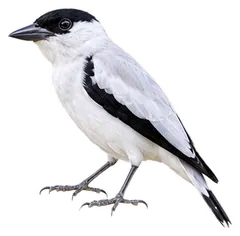 Black-crowned TityraTityra inquisitor
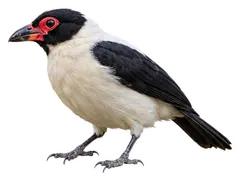 Black-tailed TityraTityra cayana
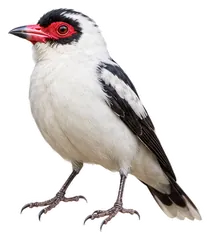 Masked TityraTityra semifasciata
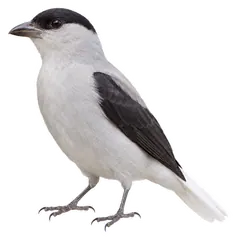 White-tailed TityraTityra leucura
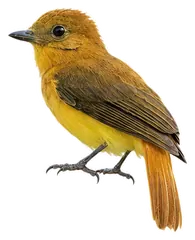 Varzea SchiffornisSchiffornis major
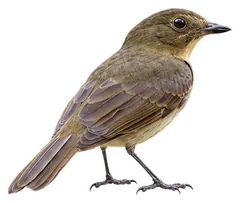 Guianan SchiffornisSchiffornis olivacea
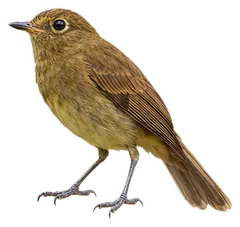 Northern SchiffornisSchiffornis veraepacis
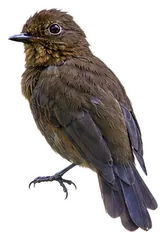 Foothill SchiffornisSchiffornis aenea
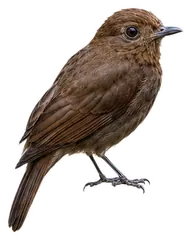 Russet-winged SchiffornisSchiffornis stenorhyncha
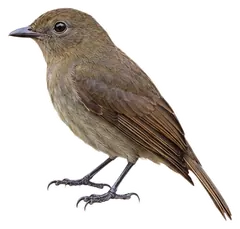 Brown-winged SchiffornisSchiffornis turdina
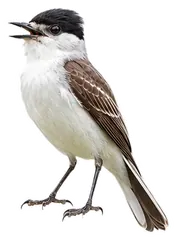
Download illustration
Free to use with credit: “Illustration: Bird Album (birdalbum.com)”. Drawn by AI from a reference photo by Alexander Viduetsky. ↗
Heard it but can't see it? Mingji identifies birds by sound and photo, on your phone.