 Bird Album
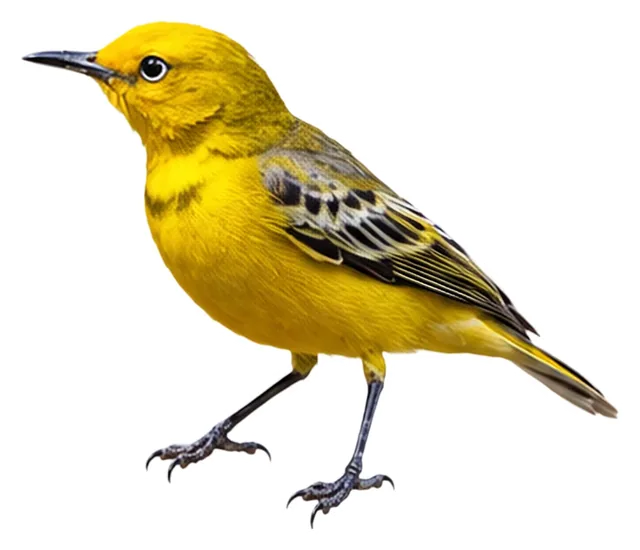
Yellow Chat
Epthianura crocea Castelnau & Ramsay, EP, 1877
9.3 gWeight
The yellow chat (Epthianura crocea) is a small passerine bird endemic to Australia.
Busiest months: July and October · Most records: Australia
Where and when it's recorded

Yellow Chat has been recorded at 10 of the 8,171 birding hotspots we track, in 1 country or region.
Records by month Southern Hemisphere
Where it's recorded most
- Roebuck Plains StationAustralia497 records
- Lake EdaAustralia104 records
- Taylors LagoonAustralia75 records
More places
- Katherine Wastewater Treatment PlantAustralia71 records
- Broome Bird ObservatoryAustralia33 records
- Crab Creek MangrovesAustralia9 records
- Holmes Jungle Nature ReserveAustralia6 records
- Leanyer PondsAustralia2 records
- Fogg Dam Conservation ReserveAustralia1 record
- Alice Springs Sewage PondsAustralia1 record
Countries and regions with the most records
eBird records via GBIF up to 2024-12-31. A record means someone listed it; more records partly mean more birders, not more birds.
About
The yellow chat (Epthianura crocea) is a small passerine bird endemic to Australia. They are known for their remarkable adaptions that aid their survival in their arid habitat.
Excerpt from Wikipedia, CC BY-SA 4.0 · authors · Read more on Wikipedia
Questions
How big is the Yellow Chat?
The Yellow Chat weighs around 9.3 g.
Where does the Yellow Chat live?
Its breeding range: Australasia: north-central Australia. It is most often recorded in Australia.
When is the best time to see the Yellow Chat?
At the hotspots we track, it is recorded most in July and October (Southern Hemisphere).
Is the Yellow Chat endangered?
The IUCN Red List classifies the Yellow Chat as Least Concern.
What does the Yellow Chat eat?
Main food: Insects & other invertebrates.
What family is the Yellow Chat in?
It belongs to the family Honeyeaters (Meliphagidae), order Passerines (Passeriformes).
At a glance
- Weight
- 9.3 g
- Habitat
- Wetland
- Diet
- Insects & other invertebrates
- Lifestyle
- Varied
- Migration
- Resident (barely migrates)
- Conservation
- Least Concern
More measurements
- Wing
- 59 mm
- Tail
- 38 mm
- Bill
- 13 mm
- Tarsus
- 18 mm
Averages from the AVONET dataset; length from field guides where available.
Range
Australasia: north-central Australia
Breeding range, IOC World Bird List 15.2
Classification
- Order
- Passerines Passeriformes
- Family
- Honeyeaters Meliphagidae
- Genus
- Epthianura
Other birds in the genus Epthianura
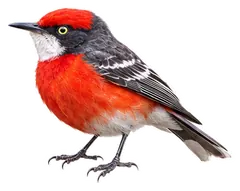 Crimson ChatEpthianura tricolor
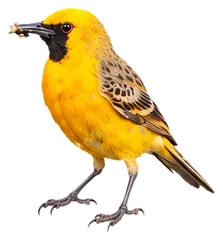 Orange ChatEpthianura aurifrons
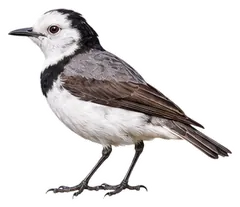 White-fronted ChatEpthianura albifrons
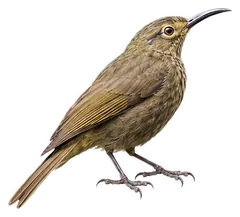 Dark-eared MyzaMyza celebensis
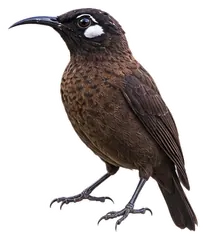 White-eared MyzaMyza sarasinorum
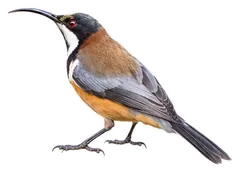 Eastern SpinebillAcanthorhynchus tenuirostris
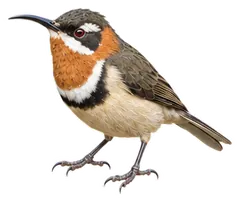 Western SpinebillAcanthorhynchus superciliosus
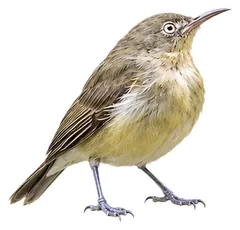 Green-backed HoneyeaterGlycichaera fallax
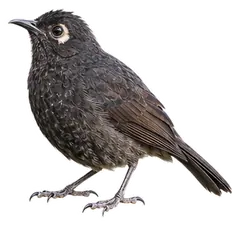 Sooty HoneyeaterMelionyx fuscus
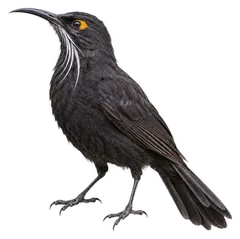 Long-bearded HoneyeaterMelionyx princeps
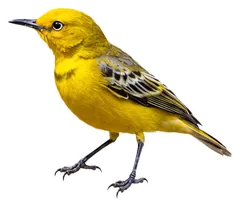
Download illustration
Free to use with credit: “Illustration: Bird Album (birdalbum.com)”. Drawn by AI from a reference photo by jo2023. ↗
Heard it but can't see it? Mingji identifies birds by sound and photo, on your phone.
In other languages
- EnglishYellow Chat
- 简体中文黄澳䳭
- 繁體中文黃澳䳭
- 日本語キイロオーストラリアヒタキ
- DeutschSafrantrugschmätzer
- FrançaisEpthianure à collier
- EspañolEptianuro amarillo
- Portuguêspica-mel-amarelo
- ItalianoMelifago giallo
- NederlandsGeel Schijnpaapje
- РусскийЖёлтая пустынница
- Svenskagul honungsskvätta
- DanskGul Honningpikker
- Polskipodkasałka szafranowa