 Bird Album
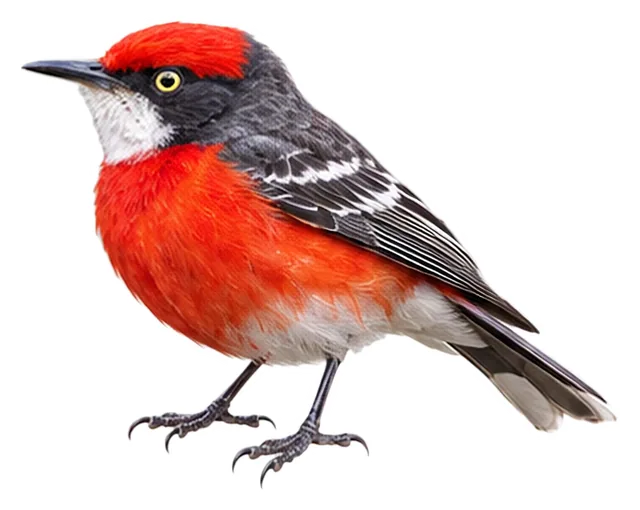
Crimson Chat
Epthianura tricolor Gould, 1841
10–13 cmLength11 gWeight
The crimson chat (Epthianura tricolor) is a species of small bird found in Australia.
Busiest months: September–October · Most records: Australia
Where and when it's recorded

Crimson Chat has been recorded at 22 of the 8,171 birding hotspots we track, in 1 country or region.
Records by month Southern Hemisphere
Where it's recorded most
- Bowra Wildlife SanctuaryAustralia1,484 records
- Goschen Bushland ReserveAustralia180 records
- Lake Cargelligo Wastewater Treatment PlantAustralia78 records
More places
- Roebuck Plains StationAustralia70 records
- Alice Springs Sewage PondsAustralia49 records
- Gluepot ReserveAustralia46 records
- Mt Ainslie Nature Reserve – Campbell ParkAustralia31 records
- Sydney ParkAustralia16 records
- Mount Korong Nature Conservation ReserveAustralia12 records
- Terrick Terrick National ParkAustralia10 records
Countries and regions with the most records
eBird records via GBIF up to 2024-12-31. A record means someone listed it; more records partly mean more birders, not more birds.
About
The crimson chat (Epthianura tricolor) is a species of small bird found in Australia. It is also known as the tricoloured chat, saltbush canary, and crimson-breasted nun.
Excerpt from Wikipedia, CC BY-SA 4.0 · authors · Read more on Wikipedia
Questions
How big is the Crimson Chat?
The Crimson Chat is about 10–13 cm long and weighs around 11 g.
Where does the Crimson Chat live?
Its breeding range: Australasia: Australia (except northern, far southern and Tasmania). It is most often recorded in Australia.
When is the best time to see the Crimson Chat?
At the hotspots we track, it is recorded most in September and October (Southern Hemisphere).
Is the Crimson Chat endangered?
The IUCN Red List classifies the Crimson Chat as Least Concern.
What does the Crimson Chat eat?
Main food: Insects & other invertebrates.
What family is the Crimson Chat in?
It belongs to the family Honeyeaters (Meliphagidae), order Passerines (Passeriformes).
At a glance
- Length
- 10–13 cm
- Weight
- 11 g
- Habitat
- Shrubland
- Diet
- Insects & other invertebrates
- Lifestyle
- Varied
- Migration
- Resident (barely migrates)
- Conservation
- Least Concern
More measurements
- Wing
- 66 mm
- Tail
- 39 mm
- Bill
- 14 mm
- Tarsus
- 18 mm
Averages from the AVONET dataset; length from field guides where available.
Range
Australasia: Australia (except northern, far southern and Tasmania)
Breeding range, IOC World Bird List 15.2
Classification
- Order
- Passerines Passeriformes
- Family
- Honeyeaters Meliphagidae
- Genus
- Epthianura
Other birds in the genus Epthianura
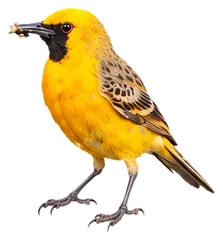 Orange ChatEpthianura aurifrons
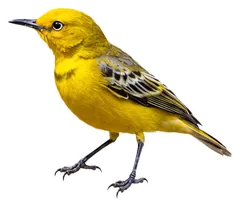 Yellow ChatEpthianura crocea
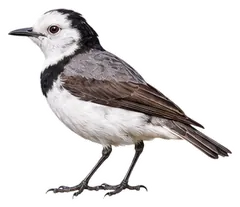 White-fronted ChatEpthianura albifrons
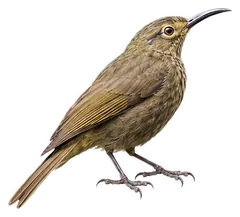 Dark-eared MyzaMyza celebensis
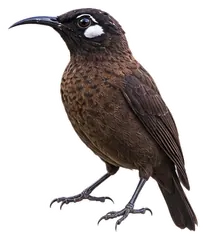 White-eared MyzaMyza sarasinorum
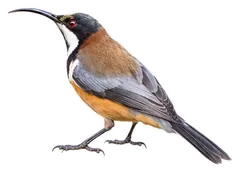 Eastern SpinebillAcanthorhynchus tenuirostris
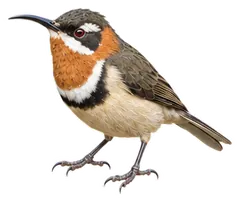 Western SpinebillAcanthorhynchus superciliosus
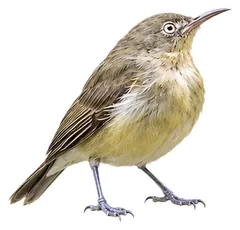 Green-backed HoneyeaterGlycichaera fallax
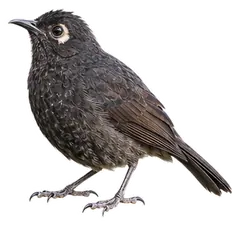 Sooty HoneyeaterMelionyx fuscus
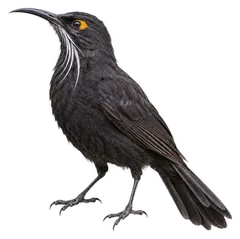 Long-bearded HoneyeaterMelionyx princeps
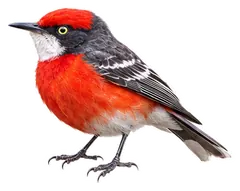
Download illustration
Free to use with credit: “Illustration: Bird Album (birdalbum.com)”. Drawn by AI from a reference photo by pdubbin. ↗
Heard it but can't see it? Mingji identifies birds by sound and photo, on your phone.
In other languages
- EnglishCrimson Chat
- 简体中文绯红澳䳭
- 繁體中文緋紅澳䳭
- 日本語ベニオーストラリアヒタキ
- DeutschScharlachtrugschmätzer
- FrançaisEpthianure tricolore
- EspañolEptianuro tricolor
- Portuguêspica-mel-escarlate
- ItalianoMelifago cremisi
- NederlandsScharlaken Schijnpaapje
- РусскийКрасная пустынница
- Svenskaröd honungsskvätta
- DanskRød Honningpikker
- Polskipodkasałka amarantowa