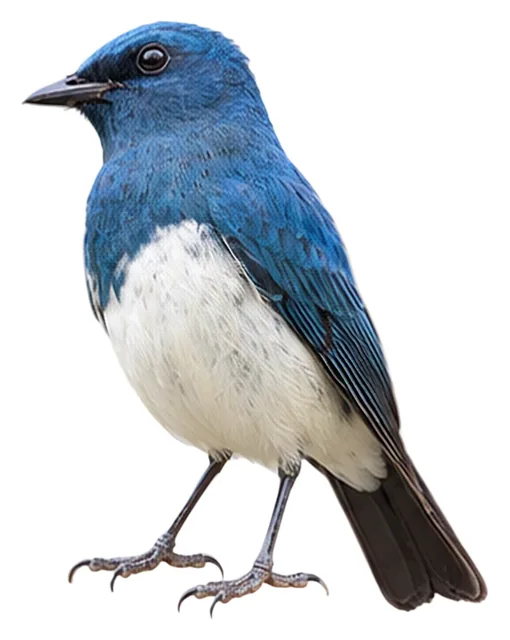
Zappey's Flycatcher
Cyanoptila cumatilis Thayer & Bangs, 1909
≈16 cmLength22 gWeight
The male has greenish-blue upperparts, a greenish-black face and upper breast, and pure white underparts.
Busiest months: June and November · Most records: China, Thailand, Singapore
Looks like Blue-and-white Flycatcher
How to identify
Field marks
- Male has greenish turquoise-blue upperparts
- Greenish-black face and upper breast
- Pure white underparts with slightly gray flanks
- One small white patch on each side of the tail base
Male, female and young
Female is gray-brown rather than blue, with a white throat; one-year-old male has blue wings, rump, and tail, but a gray-brown head and upper back.
Similar species
Where and when it's recorded
Busiest months: June and November · Most records: China, Thailand, Singapore

Zappey's Flycatcher has been recorded at 86 of the 8,276 birding hotspots we track, in 6 countries and regions.
Records by month Northern Hemisphere
Where it's recorded most
- Xiaolongmen National Forest ParkChina95 records
- Tangjiahe NNRChina39 records
- Doi Inthanon NP – Mae Ouam (Km 34.5)Thailand37 records
More places
- Man Nai IslandThailand33 records
- Lingshan Scenic AreaChina29 records
- BidadariSingapore28 records
- Wuling Mountain NNRChina24 records
- Dalaoling National Forest ParkChina22 records
- Pulau Mantanani BesarMalaysia18 records
- Samae San IslandThailand17 records
Countries and regions with the most records
eBird records via GBIF up to 2024-12-31. A record means someone listed it; more records partly mean more birders, not more birds.
About
Zappey's flycatcher (Cyanoptila cumatilis) is a songbird in the Old World flycatcher family Muscicapidae. It is migratory, breeding in central China from central Sichuan northeast to the mountains west of Beijing, and wintering south to the Malay Peninsula, Sumatra, and Java. It closely similar to, and was formerly considered to be conspecific with, the blue-and-white flycatcher, which breeds further east from northeastern China east to Japan.
Excerpt from Wikipedia, CC BY-SA 4.0 · authors · Read more on Wikipedia
Questions
How big is the Zappey's Flycatcher?
The Zappey's Flycatcher is about ≈16 cm long and weighs around 22 g.
Where does the Zappey's Flycatcher live?
Its breeding range: Palearctic: central, east-central China. It is most often recorded in China, Thailand and Singapore.
When is the best time to see the Zappey's Flycatcher?
At the hotspots we track, it is recorded most in June and November (Northern Hemisphere).
Is the Zappey's Flycatcher endangered?
The IUCN Red List classifies the Zappey's Flycatcher as Near Threatened.
What does the Zappey's Flycatcher eat?
Main food: Insects & other invertebrates.
What family is the Zappey's Flycatcher in?
It belongs to the family Chats, Old World Flycatchers (Muscicapidae), order Passerines (Passeriformes).
At a glance
- Length
- ≈16 cm
- Weight
- 22 g
- Habitat
- Forest
- Diet
- Insects & other invertebrates
- Lifestyle
- Active on the ground
- Migration
- Migratory
- Conservation
- Near Threatened
More measurements
- Wing
- 90 mm
- Tail
- 59 mm
- Bill
- 15 mm
- Tarsus
- 15 mm
Averages from the AVONET dataset; length from field guides where available.
Range
Palearctic: central, east-central China
Breeding range, IOC World Bird List 15.2
Classification
- Order
- Passerines Passeriformes
- Family
- Chats, Old World Flycatchers Muscicapidae
- Genus
- Cyanoptila
Other birds in the genus Cyanoptila
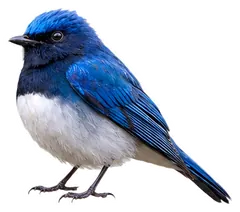 Blue-and-white FlycatcherCyanoptila cyanomelana
 White-tailed AletheAlethe diademata
 Fire-crested AletheAlethe castanea
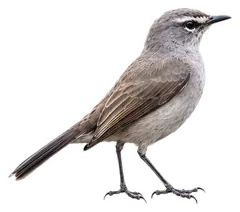 Karoo Scrub RobinTychaedon coryphoeus
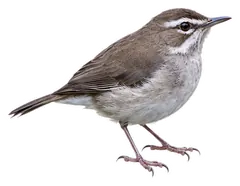 Brown Scrub RobinTychaedon signata
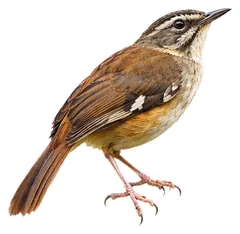 Forest Scrub RobinTychaedon leucosticta
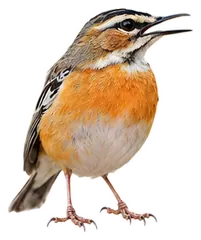 Bearded Scrub RobinTychaedon quadrivirgata
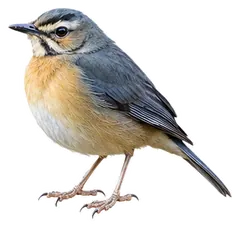 Miombo Scrub RobinTychaedon barbata
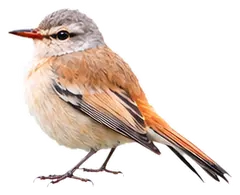 Kalahari Scrub RobinCercotrichas paena
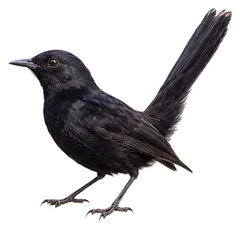 Black Scrub RobinCercotrichas podobe
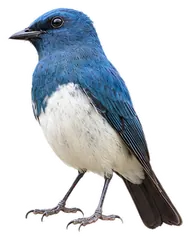
Download illustration
Free to use with credit: “Illustration: Bird Album (birdalbum.com)”. Drawn by AI from a reference photo by Kittakorn. ↗
Heard it but can't see it? Mingji identifies birds by sound and photo, on your phone.
In other languages
- EnglishZappey's Flycatcher
- 简体中文琉璃蓝鹟
- 繁體中文琉璃藍鶲
- 日本語カラオオルリ
- 한국어하늘유리새
- DeutschTürkisblauschnäpper
- FrançaisGobemouche de Zappey
- EspañolPapamoscas de Zappey
- Portuguêspapa-moscas-azul-e-branco
- NederlandsZappeys Vliegenvanger
- РусскийБирюзовая мухоловка
- Svenskacoelinflugsnappare
- DanskTurkisblå Fluesnapper
- Polskitajgówka mandżurska