 Bird Album
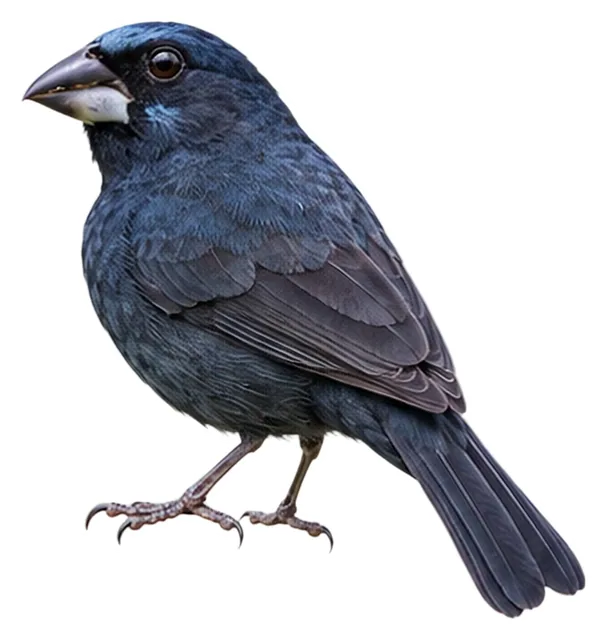
Amazonian Grosbeak
Cyanoloxia rothschildii (Bartlett, E, 1890)
32 gWeight
The Amazonian grosbeak or Rothschild's grosbeak (Cyanoloxia rothschildii) is a species of grosbeak in the family Cardinalidae, the cardinals or cardinal grosbeaks.
Busiest months: August and October–November · Most records: Peru, Ecuador, Brazil
Where and when it's recorded

Amazonian Grosbeak has been recorded at 114 of the 8,171 birding hotspots we track, in 9 countries and regions.
Records by month Southern Hemisphere
Where it's recorded most
- Manu BiolodgePeru175 records
- Los Amigos Biological StationPeru170 records
- Parque Ecológico de GunmaBrazil119 records
More places
- RPPN Canguçu e entornoBrazil100 records
- Amazonía LodgePeru99 records
- Tambopata Research CenterPeru95 records
- Fredberg – Zintete LodgeSuriname87 records
- Explorer's InnPeru77 records
- Senda BocatomaColombia77 records
- Atta Lodge / Iwokrama Canopy WalkwayGuyana71 records
Countries and regions with the most records
eBird records via GBIF up to 2024-12-31. A record means someone listed it; more records partly mean more birders, not more birds.
About
The Amazonian grosbeak or Rothschild's grosbeak (Cyanoloxia rothschildii) is a species of grosbeak in the family Cardinalidae, the cardinals or cardinal grosbeaks. It is found in much of the Amazon Basin, in Bolivia, Brazil, Colombia, French Guiana, Guyana, Peru, Suriname, and Venezuela.
Excerpt from Wikipedia, CC BY-SA 4.0 · authors · Read more on Wikipedia
Questions
How big is the Amazonian Grosbeak?
The Amazonian Grosbeak weighs around 32 g.
Where does the Amazonian Grosbeak live?
Its breeding range: South America: western Amazonia. It is most often recorded in Peru, Ecuador and Brazil.
When is the best time to see the Amazonian Grosbeak?
At the hotspots we track, it is recorded most in August, October and November (Southern Hemisphere).
Is the Amazonian Grosbeak endangered?
The IUCN Red List classifies the Amazonian Grosbeak as Least Concern.
What does the Amazonian Grosbeak eat?
Main food: Seeds.
What family is the Amazonian Grosbeak in?
It belongs to the family Cardinals & Allies (Cardinalidae), order Passerines (Passeriformes).
At a glance
- Weight
- 32 g
- Habitat
- Forest
- Diet
- Seeds
- Lifestyle
- Perches in trees
- Migration
- Resident (barely migrates)
- Conservation
- Least Concern
More measurements
- Wing
- 78 mm
- Tail
- 68 mm
- Bill
- 19 mm
- Tarsus
- 20 mm
Averages from the AVONET dataset; length from field guides where available.
Range
South America: western Amazonia
Breeding range, IOC World Bird List 15.2
Classification
- Order
- Passerines Passeriformes
- Family
- Cardinals & Allies Cardinalidae
- Genus
- Cyanoloxia
Other birds in the genus Cyanoloxia
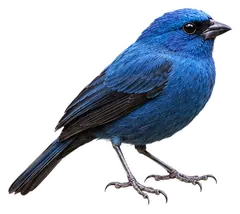 Glaucous-blue GrosbeakCyanoloxia glaucocaerulea
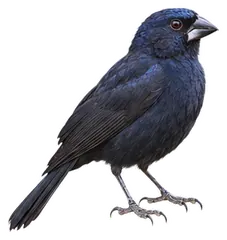 Blue-black GrosbeakCyanoloxia cyanoides
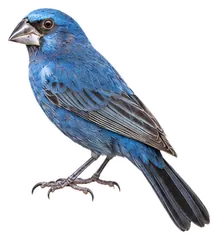 Ultramarine GrosbeakCyanoloxia brissonii
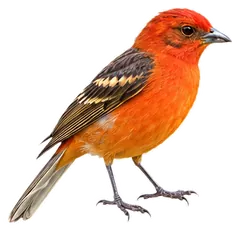 Flame-colored TanagerPiranga bidentata
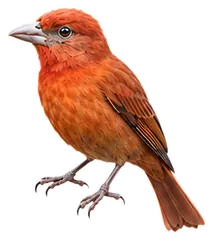 Tooth-billed TanagerPiranga lutea
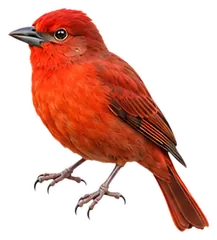 Red TanagerPiranga flava
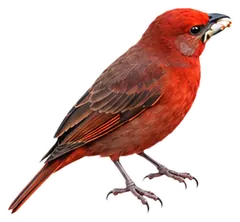 Hepatic TanagerPiranga hepatica
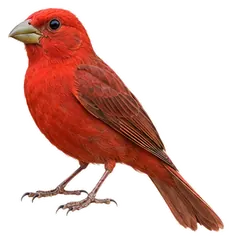 Summer TanagerPiranga rubra
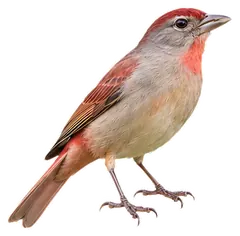 Rose-throated TanagerPiranga roseogularis
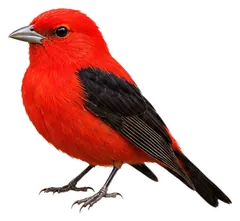 Scarlet TanagerPiranga olivacea
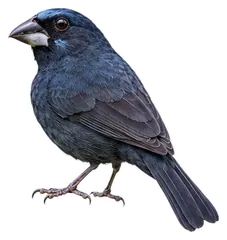
Download illustration
Free to use with credit: “Illustration: Bird Album (birdalbum.com)”. Drawn by AI from a reference photo by Marcelo Maux. ↗
Heard it but can't see it? Mingji identifies birds by sound and photo, on your phone.