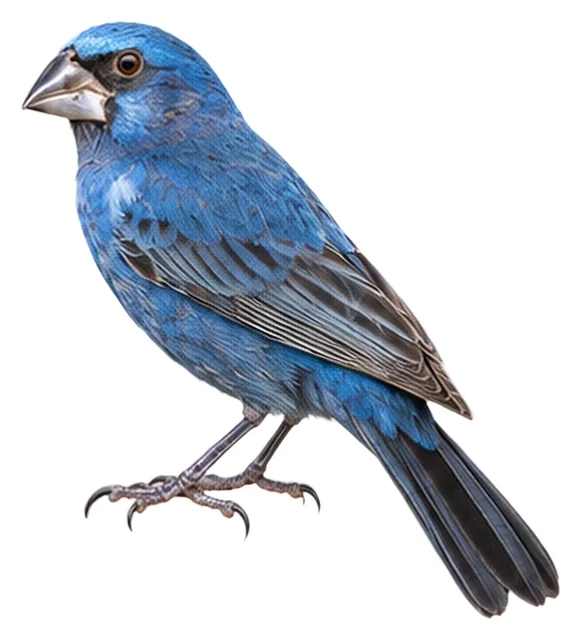
Ultramarine Grosbeak
Cyanoloxia brissonii (Lichtenstein, MHC, 1823)
15 cmLength28 gWeight
The ultramarine grosbeak (Cyanoloxia brissonii) is a species of grosbeak in the family Cardinalidae.
Busiest months: October · Most records: Argentina, Brazil, Colombia
Where and when it's recorded
Busiest months: October · Most records: Argentina, Brazil, Colombia

Ultramarine Grosbeak has been recorded at 193 of the 8,276 birding hotspots we track, in 7 countries and regions.
Records by month Southern Hemisphere
Where it's recorded most
- Reserva Ecológica Costanera SurArgentina1,207 records
- Reserva Natural Estricta Quebrada de Las Higueritas RNQHArgentina700 records
- Reserva Natural Privada Eco-Portal de PiedraArgentina469 records
More places
- Parque del BicentenarioArgentina359 records
- Botumirim – Reserva Natural Rolinha-do-planaltoBrazil348 records
- Proyecto Seamos BosquesArgentina288 records
- PN El Palmar – ÁreaArgentina282 records
- Floresta Estadual Edmundo Navarro de AndradeBrazil274 records
- Finca La MontañaArgentina256 records
- RN CauquitáColombia249 records
Countries and regions with the most records
eBird records via GBIF up to 2024-12-31. A record means someone listed it; more records partly mean more birders, not more birds.
About
The ultramarine grosbeak (Cyanoloxia brissonii) is a species of grosbeak in the family Cardinalidae. It is found in a wide range of semi-open habitats in eastern and central South America, with a disjunct population in northern South America.
Excerpt from Wikipedia, CC BY-SA 4.0 · authors · Read more on Wikipedia
Questions
How big is the Ultramarine Grosbeak?
The Ultramarine Grosbeak is about 15 cm long and weighs around 28 g.
Where does the Ultramarine Grosbeak live?
Its breeding range: South America: Colombia to eastern Brazil and northern Argentina. It is most often recorded in Argentina, Brazil and Colombia.
When is the best time to see the Ultramarine Grosbeak?
At the hotspots we track, it is recorded most in October (Southern Hemisphere).
Is the Ultramarine Grosbeak endangered?
The IUCN Red List classifies the Ultramarine Grosbeak as Least Concern.
What does the Ultramarine Grosbeak eat?
Main food: Fruit.
What family is the Ultramarine Grosbeak in?
It belongs to the family Cardinals & Allies (Cardinalidae), order Passerines (Passeriformes).
At a glance
- Length
- 15 cm
- Weight
- 28 g
- Habitat
- Forest
- Diet
- Fruit
- Lifestyle
- Perches in trees
- Migration
- Resident (barely migrates)
- Conservation
- Least Concern
More measurements
- Wing
- 76 mm
- Tail
- 70 mm
- Bill
- 15 mm
- Tarsus
- 20 mm
Averages from the AVONET dataset; length from field guides where available.
Range
South America: Colombia to eastern Brazil and northern Argentina
Breeding range, IOC World Bird List 15.2
Classification
- Order
- Passerines Passeriformes
- Family
- Cardinals & Allies Cardinalidae
- Genus
- Cyanoloxia
Other birds in the genus Cyanoloxia
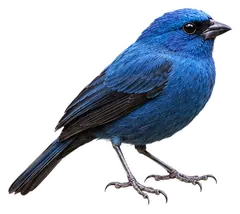 Glaucous-blue GrosbeakCyanoloxia glaucocaerulea
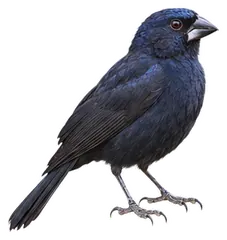 Blue-black GrosbeakCyanoloxia cyanoides
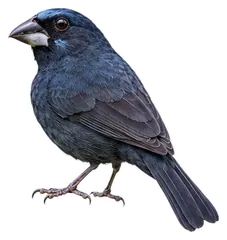 Amazonian GrosbeakCyanoloxia rothschildii
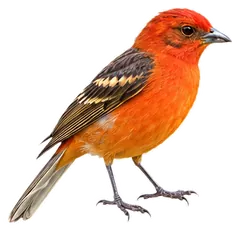 Flame-colored TanagerPiranga bidentata
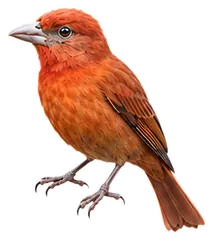 Tooth-billed TanagerPiranga lutea
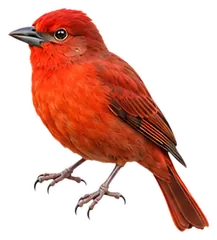 Red TanagerPiranga flava
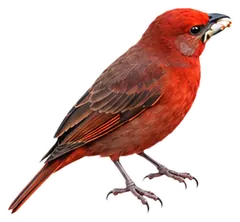 Hepatic TanagerPiranga hepatica
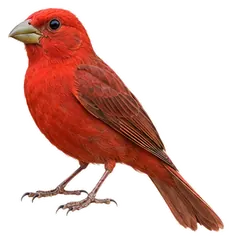 Summer TanagerPiranga rubra
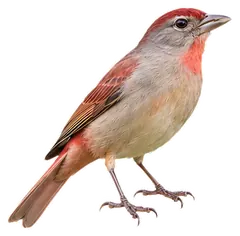 Rose-throated TanagerPiranga roseogularis
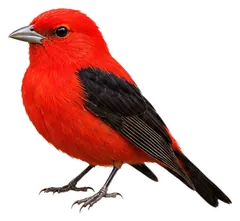 Scarlet TanagerPiranga olivacea
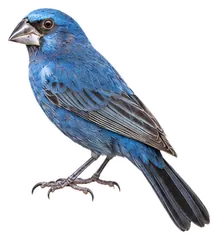
Download illustration
Free to use with credit: “Illustration: Bird Album (birdalbum.com)”. Drawn by AI from a reference photo by Jorge Schlemmer. ↗
Heard it but can't see it? Mingji identifies birds by sound and photo, on your phone.
In other languages
- EnglishUltramarine Grosbeak
- 简体中文青彩鹀
- 繁體中文深藍彩鵐
- 日本語コシアカクロルリノジコ
- DeutschUltramarinkardinal
- FrançaisÉvêque de Brisson
- EspañolPicogrueso de Brisson
- Portuguêsazulão-do-nordeste
- ItalianoBeccogrosso oltremarino
- NederlandsUltramarijnbisschop
- РусскийУльтрамариновая гуирака
- Svenskaultramarinkardinal
- DanskUltramarinkernebider
- Polskiindygówka niebieska