 Bird Album
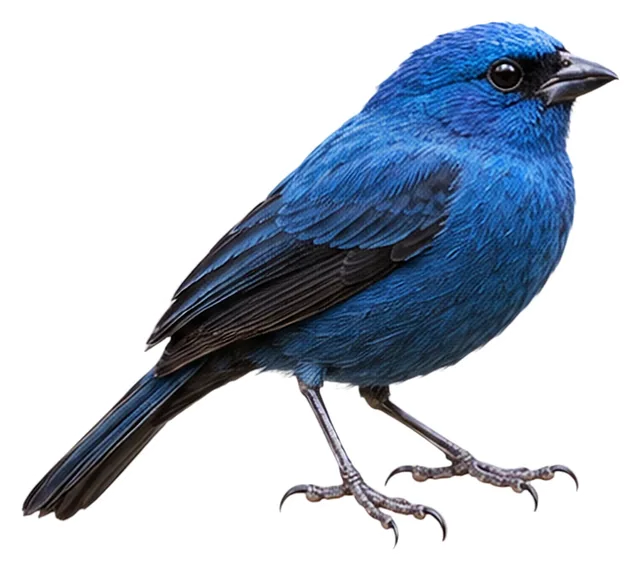
Glaucous-blue Grosbeak
Cyanoloxia glaucocaerulea (d'Orbigny & Lafresnaye, 1837)
18 gWeight
The glaucous-blue grosbeak (Cyanoloxia glaucocaerulea), also known as the indigo grosbeak, is a species of bird in the family Cardinalidae, the cardinals or cardinal grosbeaks.
Busiest months: October–November · Most records: Argentina, Uruguay, Brazil
Where and when it's recorded

Glaucous-blue Grosbeak has been recorded at 84 of the 8,171 birding hotspots we track, in 4 countries and regions.
Records by month Southern Hemisphere
Where it's recorded most
- PN El Palmar – ÁreaArgentina163 records
- Reserva Ribera NorteArgentina133 records
- Paso Centurión – ÁreaUruguay104 records
More places
- PerdicesArgentina89 records
- Punta NegraUruguay85 records
- Reserva Ecológica Costanera SurArgentina81 records
- AP Laguna Garzón – El BoneteUruguay62 records
- Serranías del Este (IBA) – -LocalidadUruguay55 records
- Establecimiento Bichadero-Fros – Cuchilla de LaurelesUruguay46 records
- PE do EspinilhoBrazil41 records
Countries and regions with the most records
eBird records via GBIF up to 2024-12-31. A record means someone listed it; more records partly mean more birders, not more birds.
About
The glaucous-blue grosbeak (Cyanoloxia glaucocaerulea), also known as the indigo grosbeak, is a species of bird in the family Cardinalidae, the cardinals or cardinal grosbeaks. It is found in Brazil, Argentina, Paraguay, and Uruguay.
Excerpt from Wikipedia, CC BY-SA 4.0 · authors · Read more on Wikipedia
Questions
How big is the Glaucous-blue Grosbeak?
The Glaucous-blue Grosbeak weighs around 18 g.
Where does the Glaucous-blue Grosbeak live?
Its breeding range: South America: eastern Paraguay, northeastern Argentina and southern Brazil. It is most often recorded in Argentina, Uruguay and Brazil.
When is the best time to see the Glaucous-blue Grosbeak?
At the hotspots we track, it is recorded most in October and November (Southern Hemisphere).
Is the Glaucous-blue Grosbeak endangered?
The IUCN Red List classifies the Glaucous-blue Grosbeak as Least Concern.
What does the Glaucous-blue Grosbeak eat?
Main food: Omnivore.
What family is the Glaucous-blue Grosbeak in?
It belongs to the family Cardinals & Allies (Cardinalidae), order Passerines (Passeriformes).
At a glance
- Weight
- 18 g
- Habitat
- Forest
- Diet
- Omnivore
- Lifestyle
- Perches in trees
- Migration
- Partial migrant
- Conservation
- Least Concern
More measurements
- Wing
- 72 mm
- Tail
- 67 mm
- Bill
- 12 mm
- Tarsus
- 19 mm
Averages from the AVONET dataset; length from field guides where available.
Range
South America: eastern Paraguay, northeastern Argentina and southern Brazil
Breeding range, IOC World Bird List 15.2
Classification
- Order
- Passerines Passeriformes
- Family
- Cardinals & Allies Cardinalidae
- Genus
- Cyanoloxia
Other birds in the genus Cyanoloxia
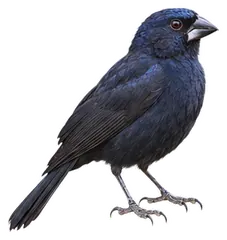 Blue-black GrosbeakCyanoloxia cyanoides
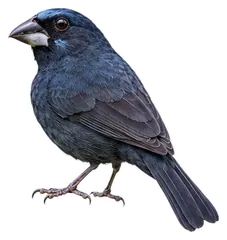 Amazonian GrosbeakCyanoloxia rothschildii
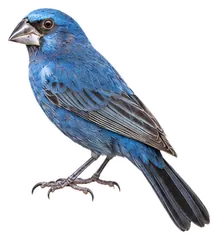 Ultramarine GrosbeakCyanoloxia brissonii
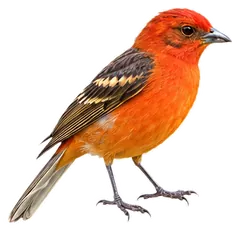 Flame-colored TanagerPiranga bidentata
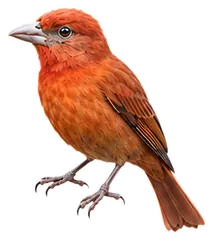 Tooth-billed TanagerPiranga lutea
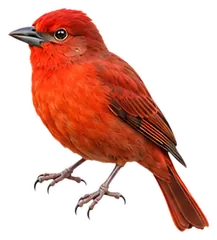 Red TanagerPiranga flava
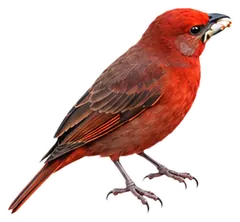 Hepatic TanagerPiranga hepatica
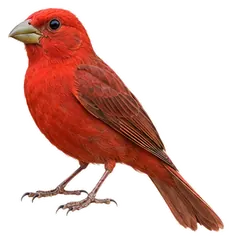 Summer TanagerPiranga rubra
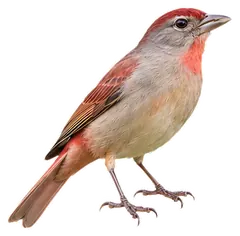 Rose-throated TanagerPiranga roseogularis
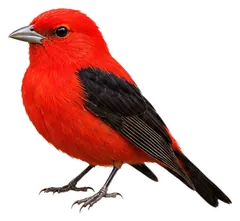 Scarlet TanagerPiranga olivacea
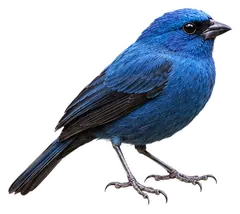
Download illustration
Free to use with credit: “Illustration: Bird Album (birdalbum.com)”. Drawn by AI from a reference photo by Javier González. ↗
Heard it but can't see it? Mingji identifies birds by sound and photo, on your phone.