 Bird Album
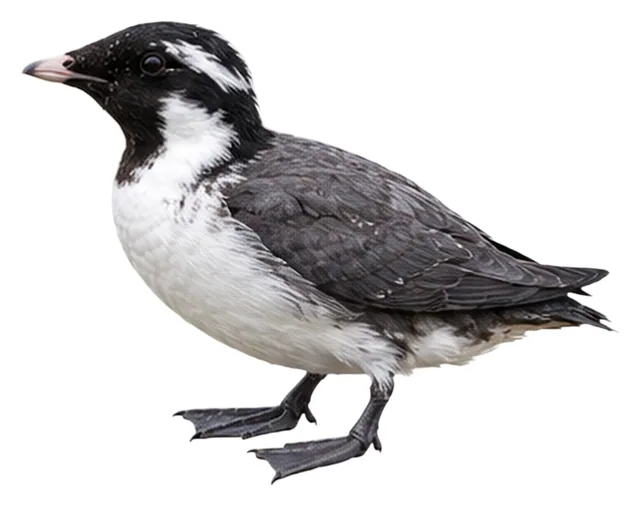
Ancient Murrelet
Synthliboramphus antiquus (Gmelin, JF, 1789)
≈24 cmLength42 cmWingspan218 gWeight
It has a gray back and white belly, with white stripes added to the adult's black head in summer.
Busiest months: November · Most records: United States, Canada, Japan
How to identify
Field marks
- Gray back and white underparts
- Short, stout yellow bill
- Small, rounded black tail
- Adult has a black head with white stripes in summer
Where and when it's recorded

Ancient Murrelet has been recorded at 85 of the 8,171 birding hotspots we track, in 8 countries and regions.
Records by month Northern Hemisphere
Where it's recorded most
- Pt. Pinos – seawatch onlyUnited States2,349 records
- St. Paul IslandUnited States1,466 records
- Southeast Farallon IslandUnited States1,050 records
More places
- Clover PointCanada650 records
- Point No PointUnited States589 records
- GambellUnited States572 records
- Discovery ParkUnited States347 records
- Edmonds WaterfrontUnited States209 records
- Oak Bay – Cattle PointCanada201 records
- Rocky Point Bird ObservatoryCanada197 records
Countries and regions with the most records
eBird records via GBIF up to 2024-12-31. A record means someone listed it; more records partly mean more birders, not more birds.
About
The ancient murrelet (Synthliboramphus antiquus) is a bird in the auk family. The English term "murrelet" is a diminutive of "murre", a word of uncertain origins, but which may imitate the call of the common guillemot.
Excerpt from Wikipedia, CC BY-SA 4.0 · authors · Read more on Wikipedia
Questions
How big is the Ancient Murrelet?
The Ancient Murrelet is about ≈24 cm long, with a wingspan of 42 cm and weighs around 218 g.
Where does the Ancient Murrelet live?
Its breeding range: Palearctic, North America: temperate northwest to northeastern North Pacific coasts: patchily Kamchatka, Sea of Okhotsk, Sakhalin, Kuril and Commander islands (eastern Russia); Sea of Japan and Yellow Sea, Aleutian Islands, Gulf of Alaska to western British Columbia (southwestern Canada). It is most often recorded in United States, Canada and Japan.
When is the best time to see the Ancient Murrelet?
At the hotspots we track, it is recorded most in November (Northern Hemisphere).
Is the Ancient Murrelet endangered?
The IUCN Red List classifies the Ancient Murrelet as Least Concern.
What does the Ancient Murrelet eat?
Main food: Fish, shrimp & shellfish.
What family is the Ancient Murrelet in?
It belongs to the family Auks (Alcidae), order Charadriiformes.
At a glance
- Length
- ≈24 cm
- Wingspan
- 42 cm
- Weight
- 218 g
- Habitat
- Ocean
- Diet
- Fish, shrimp & shellfish
- Lifestyle
- On the water surface
- Migration
- Migratory
- Conservation
- Least Concern
More measurements
- Wing
- 136 mm
- Tail
- 36 mm
- Bill
- 24 mm
- Tarsus
- 26 mm
Averages from the AVONET dataset; length from field guides where available.
Range
Palearctic, North America: temperate northwest to northeastern North Pacific coasts: patchily Kamchatka, Sea of Okhotsk, Sakhalin, Kuril and Commander islands (eastern Russia); Sea of Japan and Yellow Sea, Aleutian Islands, Gulf of Alaska to western British Columbia (southwestern Canada)
Breeding range, IOC World Bird List 15.2
Classification
- Order
- Charadriiformes
- Family
- Auks Alcidae
- Genus
- Synthliboramphus
Other birds in the genus Synthliboramphus
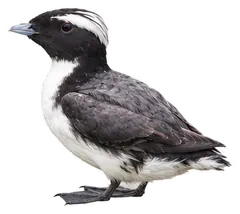 Japanese MurreletSynthliboramphus wumizusume
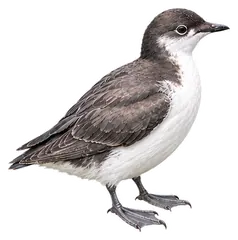 Scripps's MurreletSynthliboramphus scrippsi
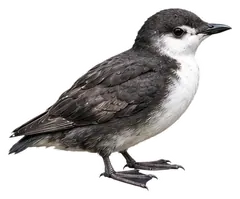 Guadalupe MurreletSynthliboramphus hypoleucus
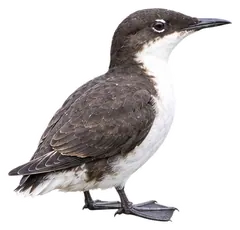 Craveri's MurreletSynthliboramphus craveri
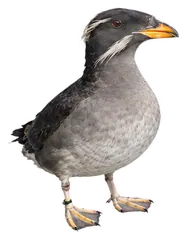 Rhinoceros AukletCerorhinca monocerata
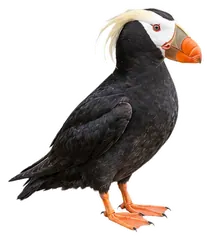 Tufted PuffinFratercula cirrhata
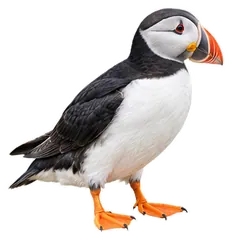 Atlantic PuffinFratercula arctica
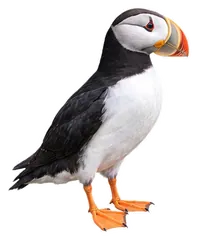 Horned PuffinFratercula corniculata
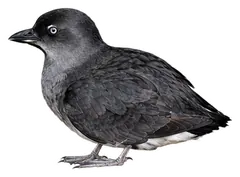 Cassin's AukletPtychoramphus aleuticus
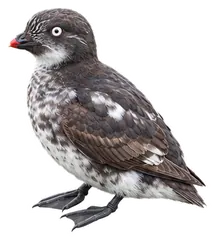 Least AukletAethia pusilla
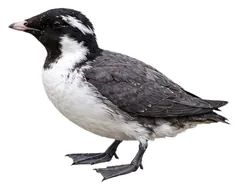
Download illustration
Free to use with credit: “Illustration: Bird Album (birdalbum.com)”. Drawn by AI from a reference photo by Fernando Portillo de Cea. ↗
Heard it but can't see it? Mingji identifies birds by sound and photo, on your phone.