 Bird Album
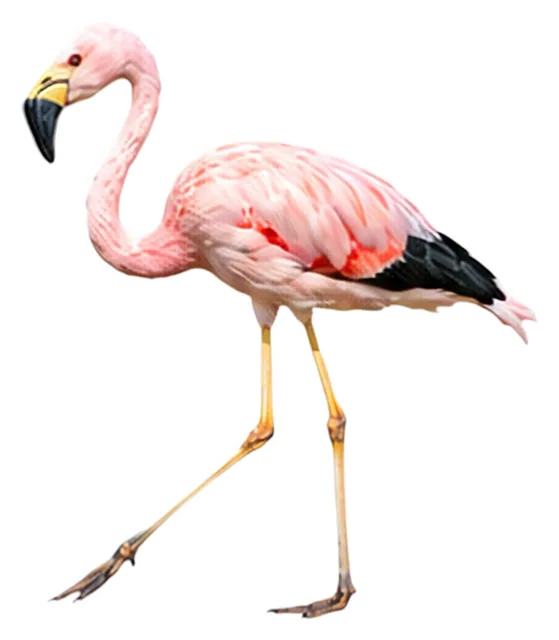
Andean Flamingo
Phoenicoparrus andinus (Philippi, 1854)
≈98 cmLength4.9 kgWeight
The adult has a pale pink body and yellow legs, with a black triangle visible when the wings are folded.
Busiest months: November · Most records: Argentina, Chile, Uruguay
How to identify
Field marks
- Legs yellow; three toes on each foot
- Base of the bill pale yellow; most of the bill black
- Adult has brighter pink on the lower neck and breast
- Adult shows a conspicuous black triangle when the wings are folded
Male, female and young
Juvenile pale gray overall, often darker on the head and neck.
Voice
Often gives short, harsh nasal calls in flight, like duck quacks or goose honks.
Where and when it's recorded

Andean Flamingo has been recorded at 14 of the 8,171 birding hotspots we track, in 3 countries and regions.
Records by month Southern Hemisphere
Where it's recorded most
- Mar Chiquita – Lomas de los IndiosArgentina155 records
- PN Lauca – Lago ChungaráChile106 records
- Mar Chiquita – Desembocadura del Río XanaesArgentina55 records
More places
- Mar Chiquita – MiramarArgentina35 records
- Río Lluta – DesembocaduraChile11 records
- Río Choapa – DesembocaduraChile5 records
- PutreChile4 records
- PN Lauca – Las CuevasChile2 records
- PP Laguna de Rocha – Zona Sur y BarraUruguay1 record
- RN El Yali – Laguna AlbuferaChile1 record
Countries and regions with the most records
eBird records via GBIF up to 2024-12-31. A record means someone listed it; more records partly mean more birders, not more birds.
About
The Andean flamingo (Phoenicoparrus andinus) is a species of flamingo native to the Andes mountains of South America. Until 2014, it was classified in genus Phoenicopterus. It is closely related to James's flamingo, and the two make up the genus Phoenicoparrus.
Excerpt from Wikipedia, CC BY-SA 4.0 · authors · Read more on Wikipedia
Questions
How big is the Andean Flamingo?
The Andean Flamingo is about ≈98 cm long and weighs around 4.9 kg.
Where does the Andean Flamingo live?
Its breeding range: South America: southern Peru, western Bolivia, northern Chile and northwestern Argentina. It is most often recorded in Argentina, Chile and Uruguay.
When is the best time to see the Andean Flamingo?
At the hotspots we track, it is recorded most in November (Southern Hemisphere).
Is the Andean Flamingo endangered?
The IUCN Red List classifies the Andean Flamingo as Vulnerable.
What does the Andean Flamingo eat?
Main food: Aquatic plants.
What family is the Andean Flamingo in?
It belongs to the family Flamingos (Phoenicopteridae), order Phoenicopteriformes.
At a glance
- Length
- ≈98 cm
- Weight
- 4.9 kg
- Habitat
- Wetland
- Diet
- Aquatic plants
- Lifestyle
- Active on the ground
- Migration
- Resident (barely migrates)
- Conservation
- Vulnerable
More measurements
- Wing
- 425 mm
- Tail
- 213 mm
- Bill
- 113 mm
- Tarsus
- 233 mm
Averages from the AVONET dataset; length from field guides where available.
Range
South America: southern Peru, western Bolivia, northern Chile and northwestern Argentina
Breeding range, IOC World Bird List 15.2
Classification
- Order
- Phoenicopteriformes
- Family
- Flamingos Phoenicopteridae
- Genus
- Phoenicoparrus
Other birds in the genus Phoenicoparrus
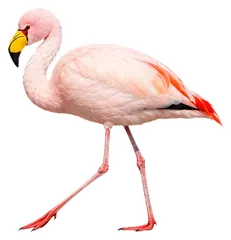 James's FlamingoPhoenicoparrus jamesi
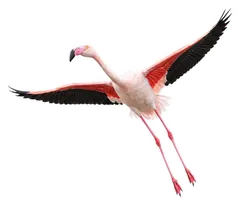 Greater FlamingoPhoenicopterus roseus
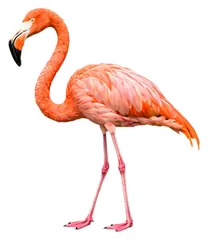 American FlamingoPhoenicopterus ruber
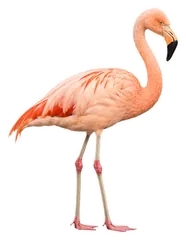 Chilean FlamingoPhoenicopterus chilensis
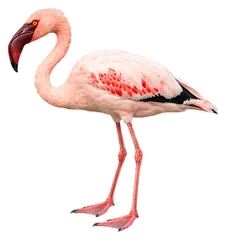 Lesser FlamingoPhoeniconaias minor
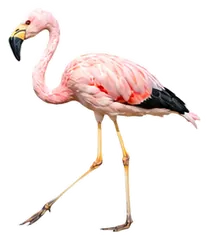
Download illustration
Free to use with credit: “Illustration: Bird Album (birdalbum.com)”. Drawn by AI from a reference photo by Luciano Massa. ↗
Heard it but can't see it? Mingji identifies birds by sound and photo, on your phone.