 Bird Album
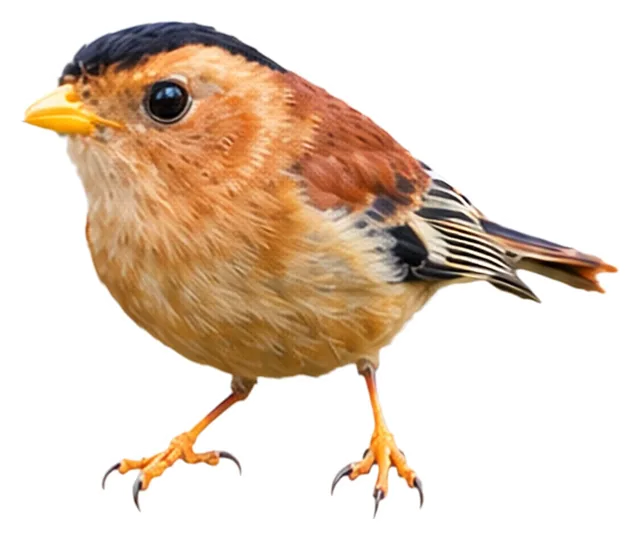
Black-capped Piprites
Piprites pileata (Temminck, 1822)
12–12 cmLength15 gWeight
The black-capped piprites (Piprites pileata), also known as the black-capped manakin, bailarín castaño, or piprites capirotado, is a species of suboscine passerine.
Busiest months: August and October–November · Most records: Brazil, Argentina
Where and when it's recorded
Busiest months: August and October–November · Most records: Brazil, Argentina

Black-capped Piprites has been recorded at 9 of the 8,276 birding hotspots we track, in 2 countries and regions.
Records by month Southern Hemisphere
Where it's recorded most
- PN do Itatiaia – Agulhas Negras RoadBrazil302 records
- PN do Itatiaia – área geralBrazil71 records
- PN do Itatiaia – Parte BaixaBrazil24 records
More places
- PN do Itatiaia – Trilha dos Três PicosBrazil23 records
- Vale das Flores – Fazenda Boa VistaBrazil16 records
- PP Caá YaríArgentina14 records
- PN de Itatiaia – Hotel do YpêBrazil12 records
- PE IntervalesBrazil11 records
- Angra dos Reis – Sertão de Mambucaba/PerequêBrazil1 record
Countries and regions with the most records
eBird records via GBIF up to 2024-12-31. A record means someone listed it; more records partly mean more birders, not more birds.
About
The black-capped piprites (Piprites pileata), also known as the black-capped manakin, bailarín castaño, or piprites capirotado, is a species of suboscine passerine. It has been placed in the genus Piprites, part of the Tyrannidae family. Previously, the species was included in the family Pipridae, but was reclassified following genetic studies.
Excerpt from Wikipedia, CC BY-SA 4.0 · authors · Read more on Wikipedia
Questions
How big is the Black-capped Piprites?
The Black-capped Piprites is about 12–12 cm long and weighs around 15 g.
Where does the Black-capped Piprites live?
Its breeding range: South America: southeastern Brazil and northeastern Argentina. It is most often recorded in Brazil and Argentina.
When is the best time to see the Black-capped Piprites?
At the hotspots we track, it is recorded most in August, October and November (Southern Hemisphere).
Is the Black-capped Piprites endangered?
The IUCN Red List classifies the Black-capped Piprites as Near Threatened.
What does the Black-capped Piprites eat?
Main food: Fruit.
What family is the Black-capped Piprites in?
It belongs to the family Tyrant Flycatchers, Calyptura (Tyrannidae), order Passerines (Passeriformes).
At a glance
- Length
- 12–12 cm
- Weight
- 15 g
- Habitat
- Forest
- Diet
- Fruit
- Lifestyle
- Perches in trees
- Migration
- Resident (barely migrates)
- Conservation
- Near Threatened
More measurements
- Wing
- 72 mm
- Tail
- 50 mm
- Bill
- 11 mm
- Tarsus
- 18 mm
Averages from the AVONET dataset; length from field guides where available.
Range
South America: southeastern Brazil and northeastern Argentina
Breeding range, IOC World Bird List 15.2
Classification
- Order
- Passerines Passeriformes
- Family
- Tyrant Flycatchers, Calyptura Tyrannidae
- Genus
- Piprites
Other birds in the genus Piprites
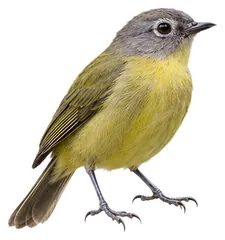 Grey-headed PipritesPiprites griseiceps
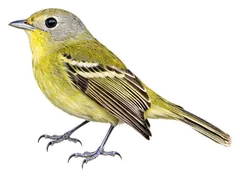 Wing-barred PipritesPiprites chloris
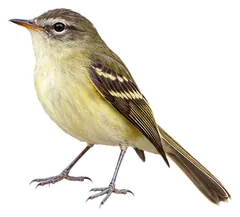 Greenish TyrannuletPhyllomyias virescens
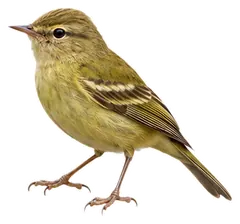 Reiser's TyrannuletPhyllomyias reiseri
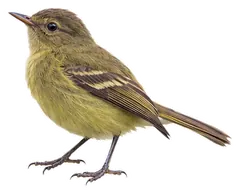 Urich's TyrannuletPhyllomyias urichi
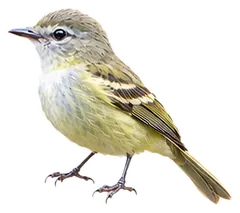 Sclater's TyrannuletPhyllomyias sclateri
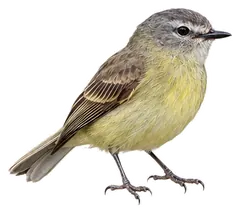 Yungas TyrannuletPhyllomyias weedeni
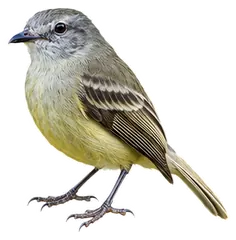 Planalto TyrannuletPhyllomyias fasciatus
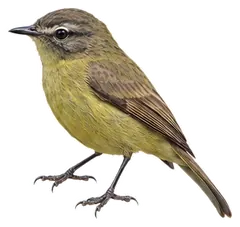 Sooty-headed TyrannuletPhyllomyias griseiceps
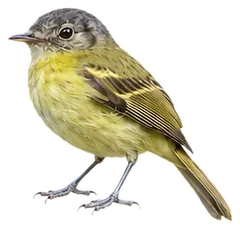 Plumbeous-crowned TyrannuletPhyllomyias plumbeiceps
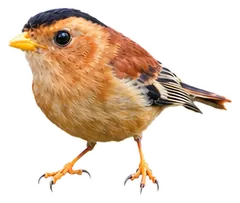
Download illustration
Free to use with credit: “Illustration: Bird Album (birdalbum.com)”. Drawn by AI from a reference photo by Eden Fontes. ↗
Heard it but can't see it? Mingji identifies birds by sound and photo, on your phone.
In other languages
- EnglishBlack-capped Piprites
- 简体中文黑顶娇鹟
- 繁體中文黑頂侏儒鳥
- 日本語ズグロマイコドリ
- DeutschZimtpipratyrann
- FrançaisPiprite chaperonné
- EspañolPiprites capirotado
- Portuguêscaneleirinho-de-chapéu-preto
- ItalianoPiprite capinero
- NederlandsZwartkapmanakin
- РусскийЧерношапочная пиприта
- Svenskasvartkronad piprit
- DanskSortkronet Piprites
- Polskikrzykaczyk czarnołbisty