 Bird Album
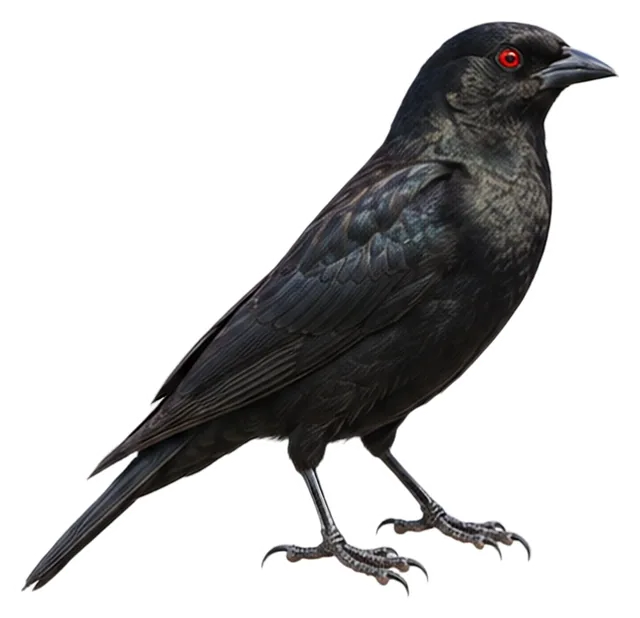
Bronzed Cowbird
Molothrus aeneus (Wagler, 1829)
20 cmLength63 gWeight
The bronzed cowbird (Molothrus aeneus), also known as the red-eyed cowbird, is a small icterid native to North America.
Busiest months: April · Most records: United States, Mexico, Costa Rica
Where and when it's recorded

Bronzed Cowbird has been recorded at 459 of the 8,171 birding hotspots we track, in 11 countries and regions.
Records by month Northern Hemisphere
Where it's recorded most
- Estero Llano Grande SP WBCUnited States5,157 records
- Madera Canyon – Santa Rita LodgeUnited States4,103 records
- Bentsen-Rio Grande Val. SP WBC (Mission)United States3,369 records
More places
- Santa Ana NWRUnited States2,898 records
- Chichicaxtle – Observatorio de Aves Rapaces Dr. Mario A. RamosMexico2,407 records
- Zamorano Univ. – Campus Farms and River 740-815 maslHonduras1,839 records
- Paton Center for HummingbirdsUnited States1,777 records
- The Celery FieldsUnited States1,590 records
- Blucher ParkUnited States1,546 records
- King Ranch – Norias DivisionUnited States1,531 records
Countries and regions with the most records
eBird records via GBIF up to 2024-12-31. A record means someone listed it; more records partly mean more birders, not more birds.
About
The bronzed cowbird (Molothrus aeneus), also known as the red-eyed cowbird, is a small icterid native to North America.
Excerpt from Wikipedia, CC BY-SA 4.0 · authors · Read more on Wikipedia
Questions
How big is the Bronzed Cowbird?
The Bronzed Cowbird is about 20 cm long and weighs around 63 g.
Where does the Bronzed Cowbird live?
Its breeding range: North America, Middle America: southwestern USA to Panama. It is most often recorded in United States, Mexico and Costa Rica.
When is the best time to see the Bronzed Cowbird?
At the hotspots we track, it is recorded most in April (Northern Hemisphere).
Is the Bronzed Cowbird endangered?
The IUCN Red List classifies the Bronzed Cowbird as Least Concern.
What does the Bronzed Cowbird eat?
Main food: Seeds.
What family is the Bronzed Cowbird in?
It belongs to the family Oropendolas, New World Orioles, Blackbirds (Icteridae), order Passerines (Passeriformes).
At a glance
- Length
- 20 cm
- Weight
- 63 g
- Habitat
- Forest
- Diet
- Seeds
- Lifestyle
- Active on the ground
- Migration
- Resident (barely migrates)
- Conservation
- Least Concern
More measurements
- Wing
- 105 mm
- Tail
- 75 mm
- Bill
- 21 mm
- Tarsus
- 28 mm
Averages from the AVONET dataset; length from field guides where available.
Range
North America, Middle America: southwestern USA to Panama
Breeding range, IOC World Bird List 15.2
Classification
- Order
- Passerines Passeriformes
- Family
- Oropendolas, New World Orioles, Blackbirds Icteridae
- Genus
- Molothrus
Other birds in the genus Molothrus
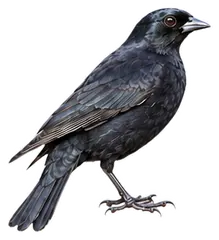 Screaming CowbirdMolothrus rufoaxillaris
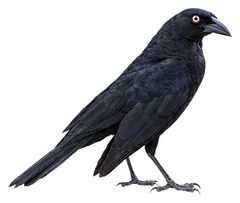 Giant CowbirdMolothrus oryzivorus
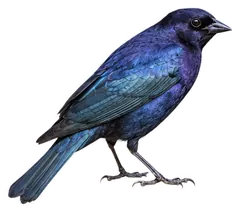 Shiny CowbirdMolothrus bonariensis
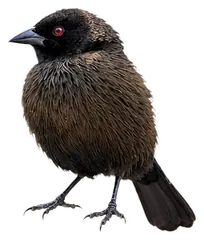 Bronze-brown CowbirdMolothrus armenti
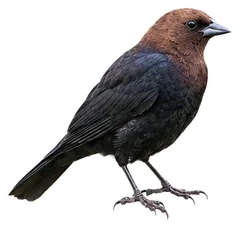 Brown-headed CowbirdMolothrus ater
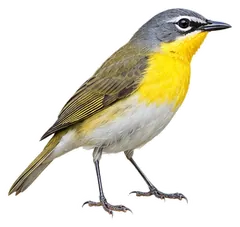 Yellow-breasted ChatIcteria virens
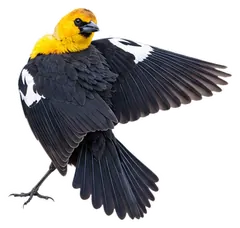 Yellow-headed BlackbirdXanthocephalus xanthocephalus
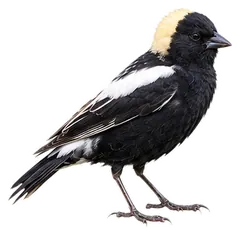 BobolinkDolichonyx oryzivorus
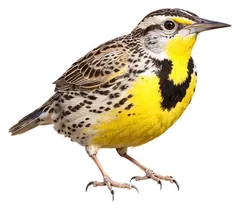 Western MeadowlarkSturnella neglecta
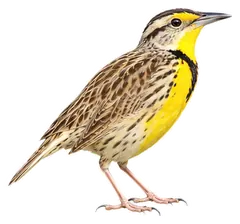 Eastern MeadowlarkSturnella magna
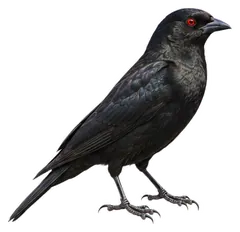
Download illustration
Free to use with credit: “Illustration: Bird Album (birdalbum.com)”. Drawn by AI from a reference photo by Adrianh M. Orozco. ↗
Heard it but can't see it? Mingji identifies birds by sound and photo, on your phone.