 Bird Album
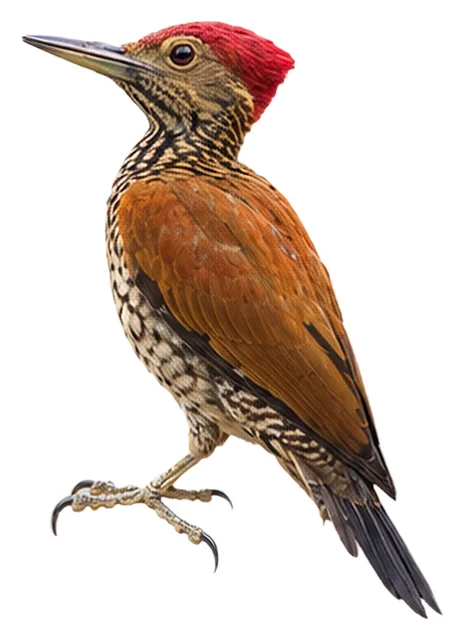
Buff-spotted Flameback
Chrysocolaptes lucidus (Scopoli, 1786)
142 gWeight
The buff-spotted flameback (Chrysocolaptes lucidus) is a species of bird in the family Picidae.
Busiest months: February–March · Most records: Philippines
Where and when it's recorded

Buff-spotted Flameback has been recorded at 15 of the 8,276 birding hotspots we track, in 1 country or region.
Records by month Northern Hemisphere
Where it's recorded most
- Raja Sikatuna National ParkPhilippines193 records
- Lake HolonPhilippines137 records
- Mt. Kitanglad Range Natural Park – Mid-level TrailsPhilippines78 records
More places
- Mt. Tagubud, New BataanPhilippines62 records
- Mt. Kitanglad Range Natural Park – Del Monte LodgePhilippines54 records
- Pasonanca Natural Park, Zamboanga City – BalunoPhilippines52 records
- Bislig lowlands – PICOP Road 4Philippines51 records
- Bislig lowlands – PICOP Road 42Philippines46 records
- Mt. Talomo – 1200masl, Davao CityPhilippines38 records
- Bislig lowlands – PICOP Roads 1-4Philippines38 records
Countries and regions with the most records
eBird records via GBIF up to 2024-12-31. A record means someone listed it; more records partly mean more birders, not more birds.
About
The buff-spotted flameback (Chrysocolaptes lucidus) is a species of bird in the family Picidae. It is found on the Philippine islands of Bohol, Leyte, Samar, Biliran, Panaon, Mindanao, Basilan, and Samal.
Excerpt from Wikipedia, CC BY-SA 4.0 · authors · Read more on Wikipedia
Questions
How big is the Buff-spotted Flameback?
The Buff-spotted Flameback weighs around 142 g.
Where does the Buff-spotted Flameback live?
Its breeding range: Oriental: East Visayas, Mindanao group (east-central, southern Philippines). It is most often recorded in Philippines.
When is the best time to see the Buff-spotted Flameback?
At the hotspots we track, it is recorded most in February and March (Northern Hemisphere).
Is the Buff-spotted Flameback endangered?
The IUCN Red List classifies the Buff-spotted Flameback as Least Concern.
What does the Buff-spotted Flameback eat?
Main food: Insects & other invertebrates.
What family is the Buff-spotted Flameback in?
It belongs to the family Woodpeckers (Picidae), order Piciformes.
At a glance
- Weight
- 142 g
- Habitat
- Woodland
- Diet
- Insects & other invertebrates
- Lifestyle
- Perches in trees
- Migration
- Resident (barely migrates)
- Conservation
- Least Concern
More measurements
- Wing
- 153 mm
- Tail
- 91 mm
- Bill
- 45 mm
- Tarsus
- 29 mm
Averages from the AVONET dataset; length from field guides where available.
Range
Oriental: East Visayas, Mindanao group (east-central, southern Philippines)
Breeding range, IOC World Bird List 15.2
Classification
- Order
- Piciformes
- Family
- Woodpeckers Picidae
- Genus
- Chrysocolaptes
Other birds in the genus Chrysocolaptes
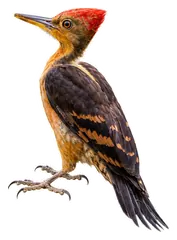 Orange-backed WoodpeckerChrysocolaptes validus
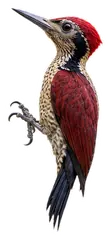 Luzon FlamebackChrysocolaptes haematribon
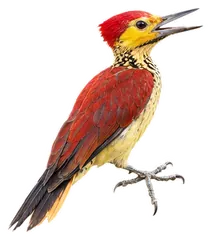 Yellow-faced FlamebackChrysocolaptes xanthocephalus
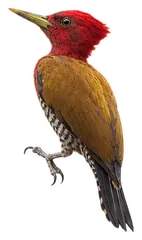 Red-headed FlamebackChrysocolaptes erythrocephalus
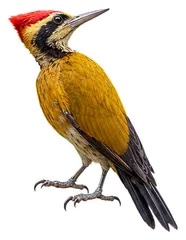 Javan FlamebackChrysocolaptes strictus
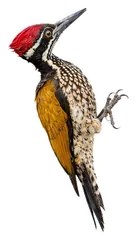 Greater FlamebackChrysocolaptes guttacristatus
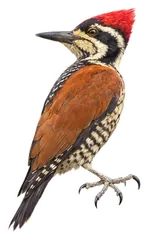 Malabar FlamebackChrysocolaptes socialis
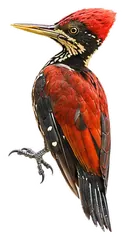 Crimson-backed FlamebackChrysocolaptes stricklandi
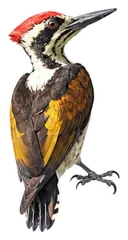 White-naped WoodpeckerChrysocolaptes festivus
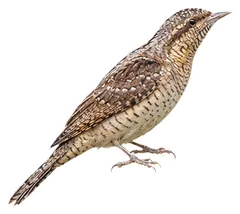 Eurasian WryneckJynx torquilla
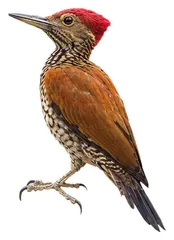
Download illustration
Free to use with credit: “Illustration: Bird Album (birdalbum.com)”. Drawn by AI from a reference photo by Marc Thibault. ↗
Heard it but can't see it? Mingji identifies birds by sound and photo, on your phone.
In other languages
- EnglishBuff-spotted Flameback
- 简体中文棕斑金背啄木鸟
- 繁體中文黃斑金背啄木
- 日本語コガネゲラ
- DeutschKupfermantel-Sultanspecht
- FrançaisPic sultan
- EspañolPito sultán moteado
- Portuguêspeto-mosqueado
- ItalianoDorso di fiamma maggiore
- NederlandsSultanspecht
- РусскийДятел-султан
- Svenskamindanaosultanspett
- DanskStor Sultanspætte
- Polskisułtan złotogrzbiety