 Bird Album
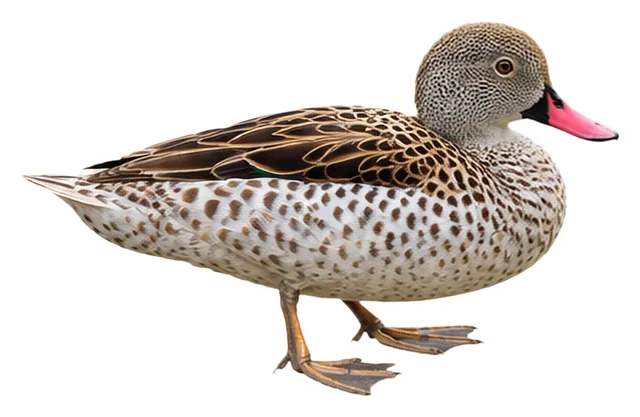
Cape Teal
Anas capensis Gmelin, JF, 1789
402 gWeight
The Cape teal (Anas capensis) also Cape wigeon or Cape widgeon is a 44–46 cm long dabbling duck of open wetlands in sub-Saharan Africa.
Busiest months: September–November · Most records: South Africa, Tanzania, Namibia
Where and when it's recorded
Busiest months: September–November · Most records: South Africa, Tanzania, Namibia

Cape Teal has been recorded at 151 of the 8,276 birding hotspots we track, in 13 countries and regions.
Records by month Southern Hemisphere
Where it's recorded most
- Strandfontein WTPSouth Africa2,955 records
- Ngorongoro Conservation Area – Ngorongoro CraterTanzania887 records
- Lake Nakuru NPKenya811 records
More places
- Arusha NPTanzania556 records
- Walvis Bay Salt PansNamibia521 records
- West Coast NPSouth Africa416 records
- West Coast NP – Geelbek hides vicinitySouth Africa376 records
- Amboseli NPKenya337 records
- Macassar Sewage WorksSouth Africa322 records
- Kliphoek Salt PansSouth Africa314 records
Countries and regions with the most records
eBird records via GBIF up to 2024-12-31. A record means someone listed it; more records partly mean more birders, not more birds.
About
The Cape teal (Anas capensis) also Cape wigeon or Cape widgeon is a 44–46 cm long dabbling duck of open wetlands in sub-Saharan Africa.
Excerpt from Wikipedia, CC BY-SA 4.0 · authors · Read more on Wikipedia
Questions
How big is the Cape Teal?
The Cape Teal weighs around 402 g.
Where does the Cape Teal live?
Its breeding range: Africa: Chad, Sudan and Ethiopia to South Africa. It is most often recorded in South Africa, Tanzania and Namibia.
When is the best time to see the Cape Teal?
At the hotspots we track, it is recorded most in September, October and November (Southern Hemisphere).
Is the Cape Teal endangered?
The IUCN Red List classifies the Cape Teal as Least Concern.
What does the Cape Teal eat?
Main food: Fish, shrimp & shellfish.
What family is the Cape Teal in?
It belongs to the family Ducks, Geese, Swans (Anatidae), order Anseriformes.
At a glance
- Weight
- 402 g
- Habitat
- Wetland
- Diet
- Fish, shrimp & shellfish
- Lifestyle
- On the water surface
- Migration
- Partial migrant
- Conservation
- Least Concern
More measurements
- Wing
- 193 mm
- Tail
- 62 mm
- Bill
- 40 mm
- Tarsus
- 33 mm
Averages from the AVONET dataset; length from field guides where available.
Range
Africa: Chad, Sudan and Ethiopia to South Africa
Breeding range, IOC World Bird List 15.2
Classification
- Order
- Anseriformes
- Family
- Ducks, Geese, Swans Anatidae
- Genus
- Anas
Other birds in the genus Anas
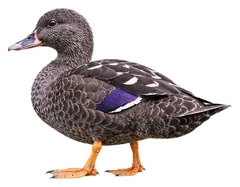 African Black DuckAnas sparsa
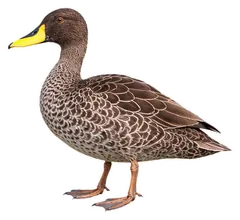 Yellow-billed DuckAnas undulata
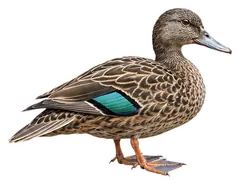 Meller's DuckAnas melleri
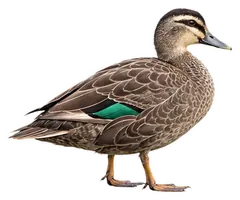 Pacific Black DuckAnas superciliosa
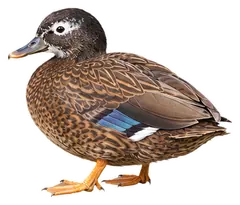 Laysan DuckAnas laysanensis
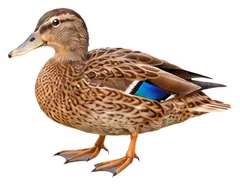 Hawaiian DuckAnas wyvilliana
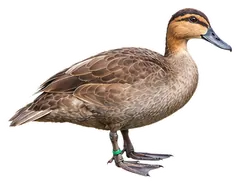 Philippine DuckAnas luzonica
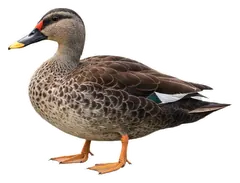 Indian Spot-billed DuckAnas poecilorhyncha
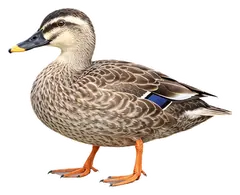 Eastern Spot-billed DuckAnas zonorhyncha
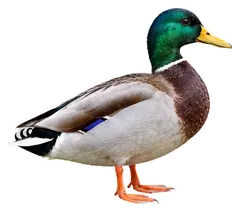 MallardAnas platyrhynchos
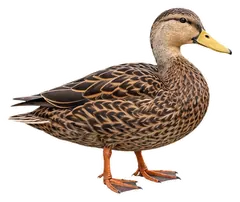 Mottled DuckAnas fulvigula
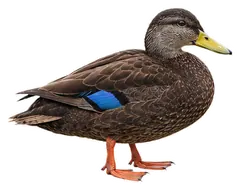 American Black DuckAnas rubripes
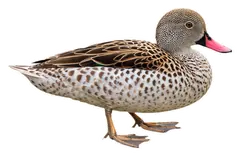
Download illustration
Free to use with credit: “Illustration: Bird Album (birdalbum.com)”. Drawn by AI from a reference photo by Ad Konings. ↗
Heard it but can't see it? Mingji identifies birds by sound and photo, on your phone.