 Bird Album
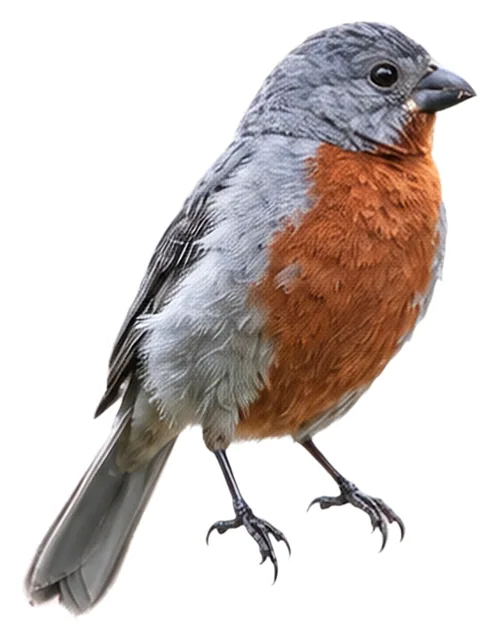
Chestnut-bellied Seedeater
Sporophila castaneiventris Cabanis, 1849
10 cmLength7.8 gWeight
The chestnut-bellied seedeater (Sporophila castaneiventris) is a species of bird in the family Thraupidae, the tanagers and allies.
Busiest months: July and October–November · Most records: Ecuador, Peru, Guyana
Where and when it's recorded
Busiest months: July and October–November · Most records: Ecuador, Peru, Guyana

Chestnut-bellied Seedeater has been recorded at 132 of the 8,276 birding hotspots we track, in 8 countries and regions.
Records by month Southern Hemisphere
Where it's recorded most
- WildSumaco LodgeEcuador1,590 records
- Wayra ReserveEcuador626 records
- Sumaco RoadEcuador618 records
More places
- Iwokrama River LodgeGuyana486 records
- Cabañas TamiajuEcuador285 records
- Manu BiolodgePeru256 records
- Boulevard Joaquin AbensurPeru239 records
- ExplorNapo LodgePeru221 records
- Muyuna Amazon LodgePeru204 records
- Laguna RicuricochaPeru193 records
Countries and regions with the most records
eBird records via GBIF up to 2024-12-31. A record means someone listed it; more records partly mean more birders, not more birds.
About
The chestnut-bellied seedeater (Sporophila castaneiventris) is a species of bird in the family Thraupidae, the tanagers and allies. It is found in every mainland South American country except Argentina, Chile, Paraguay, and Uruguay.
Excerpt from Wikipedia, CC BY-SA 4.0 · authors · Read more on Wikipedia
Questions
How big is the Chestnut-bellied Seedeater?
The Chestnut-bellied Seedeater is about 10 cm long and weighs around 7.8 g.
Where does the Chestnut-bellied Seedeater live?
Its breeding range: South America: Guiana Shield and Amazonia. It is most often recorded in Ecuador, Peru and Guyana.
When is the best time to see the Chestnut-bellied Seedeater?
At the hotspots we track, it is recorded most in July, October and November (Southern Hemisphere).
Is the Chestnut-bellied Seedeater endangered?
The IUCN Red List classifies the Chestnut-bellied Seedeater as Least Concern.
What does the Chestnut-bellied Seedeater eat?
Main food: Seeds.
What family is the Chestnut-bellied Seedeater in?
It belongs to the family Tanagers & Allies (Thraupidae), order Passerines (Passeriformes).
At a glance
- Length
- 10 cm
- Weight
- 7.8 g
- Habitat
- Shrubland
- Diet
- Seeds
- Lifestyle
- Perches in trees
- Migration
- Resident (barely migrates)
- Conservation
- Least Concern
More measurements
- Wing
- 48 mm
- Tail
- 38 mm
- Bill
- 11 mm
- Tarsus
- 14 mm
Averages from the AVONET dataset; length from field guides where available.
Range
South America: Guiana Shield and Amazonia
Breeding range, IOC World Bird List 15.2
Classification
- Order
- Passerines Passeriformes
- Family
- Tanagers & Allies Thraupidae
- Genus
- Sporophila
Other birds in the genus Sporophila
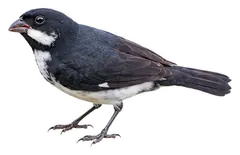 Lesson's SeedeaterSporophila bouvronides
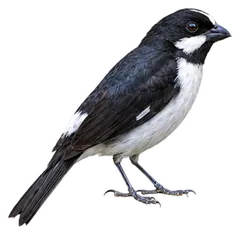 Lined SeedeaterSporophila lineola
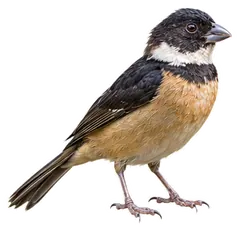 Cinnamon-rumped SeedeaterSporophila torqueola
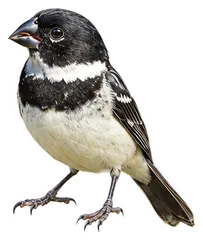 Morelet's SeedeaterSporophila morelleti
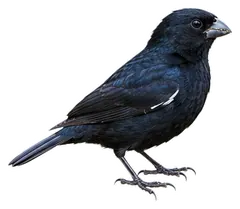 Variable SeedeaterSporophila corvina
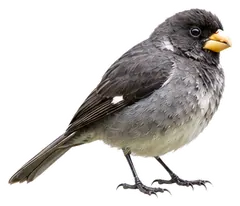 Grey SeedeaterSporophila intermedia
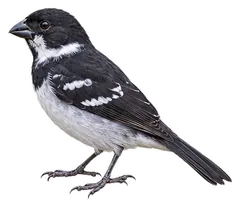 Wing-barred SeedeaterSporophila americana
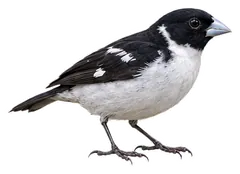 White-naped SeedeaterSporophila fringilloides
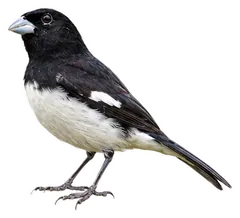 Black-and-white SeedeaterSporophila luctuosa
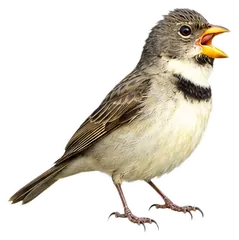 Double-collared SeedeaterSporophila caerulescens
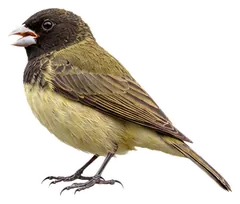 Yellow-bellied SeedeaterSporophila nigricollis
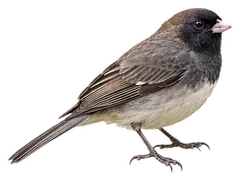 Dubois's SeedeaterSporophila ardesiaca
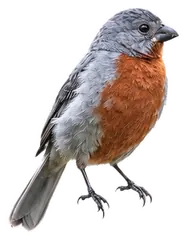
Download illustration
Free to use with credit: “Illustration: Bird Album (birdalbum.com)”. Drawn by AI from reference photos. ↗
Heard it but can't see it? Mingji identifies birds by sound and photo, on your phone.
In other languages
- EnglishChestnut-bellied Seedeater
- 简体中文栗腹食籽雀
- 繁體中文栗腹食籽雀
- 日本語クリハラヒメウソ
- DeutschRotbauchspelzer
- FrançaisSporophile à ventre châtain
- EspañolSemillero ventricastaño
- Portuguêscaboclinho-de-peito-castanho
- ItalianoBeccasemi panciacastana
- NederlandsRoodbuikdikbekje
- РусскийСеробокий просяночник
- Svenskakastanjebröstad frötangara
- DanskKastanjebrystet Klerkefinke
- Polskiziarnojadek brązowobrzuchy