 Bird Album
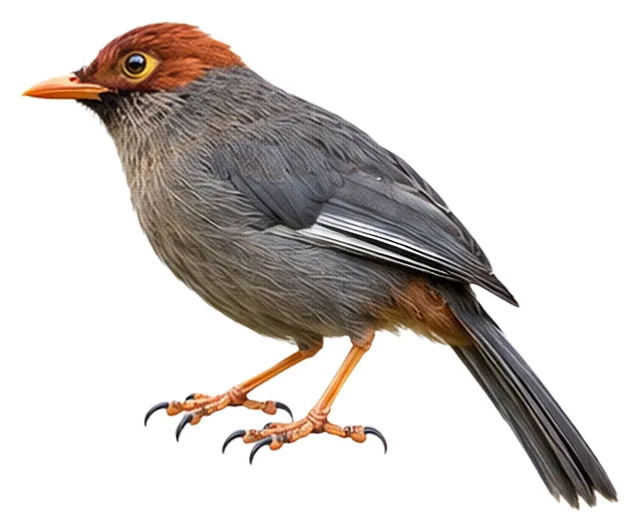
Chestnut-hooded Laughingthrush
Pterorhinus treacheri (Sharpe, 1879)
22–24 cmLength62 gWeight
The chestnut-hooded laughingthrush (Pterorhinus treacheri) is a species of bird in the laughingthrush family Leiothrichidae endemic to Borneo.
Busiest months: March and July · Most records: Malaysia
Where and when it's recorded

Chestnut-hooded Laughingthrush has been recorded at 16 of the 8,171 birding hotspots we track, in 1 country or region.
Records by month Northern Hemisphere
Where it's recorded most
- Kinabalu Park – HQ areaMalaysia2,379 records
- Kinabalu Park – Power Station RoadMalaysia821 records
- Crocker Range NP – Gunung Alab SubstationMalaysia607 records
More places
- Kinabalu Park – Timpohon GateMalaysia546 records
- Crocker Range NP – Rafflesia Information CentreMalaysia429 records
- Kinabalu Park – Road to Timpohon Gate RoadMalaysia381 records
- Kinabalu Park – Silau Silau TrailMalaysia349 records
- Kinabalu Park – Hill LodgeMalaysia274 records
- Mount TrusmadiMalaysia194 records
- Kinabalu Park – Kiau View/Silau Silau Trail JunctionMalaysia166 records
Countries and regions with the most records
eBird records via GBIF up to 2024-12-31. A record means someone listed it; more records partly mean more birders, not more birds.
About
The chestnut-hooded laughingthrush (Pterorhinus treacheri) is a species of bird in the laughingthrush family Leiothrichidae endemic to Borneo. Described by the British ornithologist Richard Bowdler Sharpe as a distinct species in 1879, it was subsequently considered a subspecies of the chestnut-capped laughingthrush until 2007, when it was again raised to species status by the ornithologists Nigel Collar and Craig Robson.
Excerpt from Wikipedia, CC BY-SA 4.0 · authors · Read more on Wikipedia
Questions
How big is the Chestnut-hooded Laughingthrush?
The Chestnut-hooded Laughingthrush is about 22–24 cm long and weighs around 62 g.
Where does the Chestnut-hooded Laughingthrush live?
Its breeding range: Oriental: montane Borneo. It is most often recorded in Malaysia.
When is the best time to see the Chestnut-hooded Laughingthrush?
At the hotspots we track, it is recorded most in March and July (Northern Hemisphere).
Is the Chestnut-hooded Laughingthrush endangered?
The IUCN Red List classifies the Chestnut-hooded Laughingthrush as Least Concern.
What does the Chestnut-hooded Laughingthrush eat?
Main food: Insects & other invertebrates.
What family is the Chestnut-hooded Laughingthrush in?
It belongs to the family Laughingthrushes & Allies (Leiothrichidae), order Passerines (Passeriformes).
At a glance
- Length
- 22–24 cm
- Weight
- 62 g
- Habitat
- Forest
- Diet
- Insects & other invertebrates
- Lifestyle
- Perches in trees
- Migration
- Resident (barely migrates)
- Conservation
- Least Concern
More measurements
- Wing
- 104 mm
- Tail
- 111 mm
- Bill
- 22 mm
- Tarsus
- 35 mm
Averages from the AVONET dataset; length from field guides where available.
Range
Oriental: montane Borneo
Breeding range, IOC World Bird List 15.2
Classification
- Order
- Passerines Passeriformes
- Family
- Laughingthrushes & Allies Leiothrichidae
- Genus
- Pterorhinus
Other birds in the genus Pterorhinus
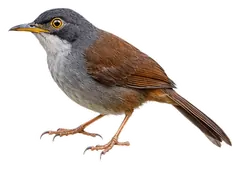 Wayanad LaughingthrushPterorhinus delesserti
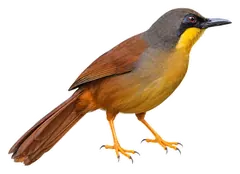 Rufous-vented LaughingthrushPterorhinus gularis
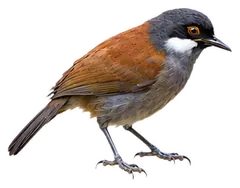 White-cheeked LaughingthrushPterorhinus vassali
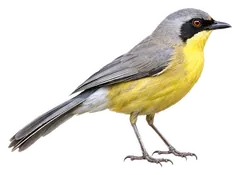 Yellow-throated LaughingthrushPterorhinus galbanus
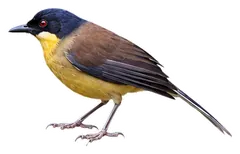 Blue-crowned LaughingthrushPterorhinus courtoisi
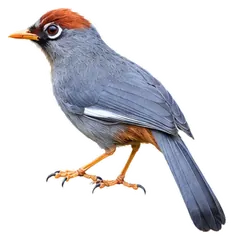 Chestnut-capped LaughingthrushPterorhinus mitratus
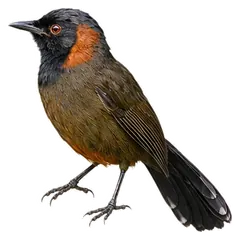 Rufous-necked LaughingthrushPterorhinus ruficollis
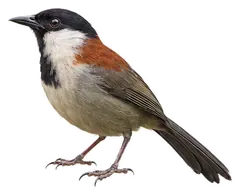 Chestnut-backed LaughingthrushPterorhinus nuchalis
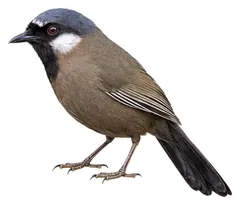 Black-throated LaughingthrushPterorhinus chinensis
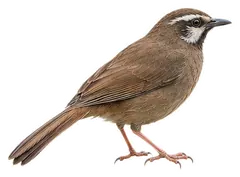 White-browed LaughingthrushPterorhinus sannio
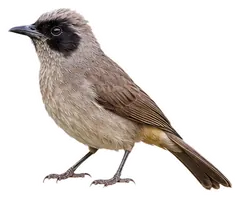 Masked LaughingthrushPterorhinus perspicillatus
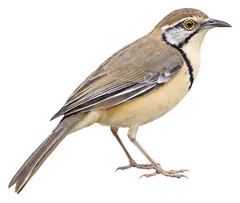 Greater Necklaced LaughingthrushPterorhinus pectoralis
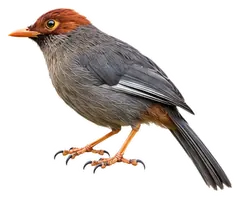
Download illustration
Free to use with credit: “Illustration: Bird Album (birdalbum.com)”. Drawn by AI from a reference photo by Chien Lee. ↗
Heard it but can't see it? Mingji identifies birds by sound and photo, on your phone.
In other languages
- EnglishChestnut-hooded Laughingthrush
- 简体中文栗头噪鹛
- 繁體中文慄頭噪鶥
- 日本語ボルネオチャガシラガビチョウ
- DeutschKastanienkappenhäherling
- FrançaisGarrulaxe de Treacher
- EspañolCharlatán de Treacher
- Portuguêszaragateiro-de-cabeça-castanha
- NederlandsKastanjekaplijstergaai
- РусскийШиферная кустарница
- Svenskabrunhuvad fnittertrast
- DanskBrunhovedet Skadedrossel
- Polskisójkowiec rdzawolicy