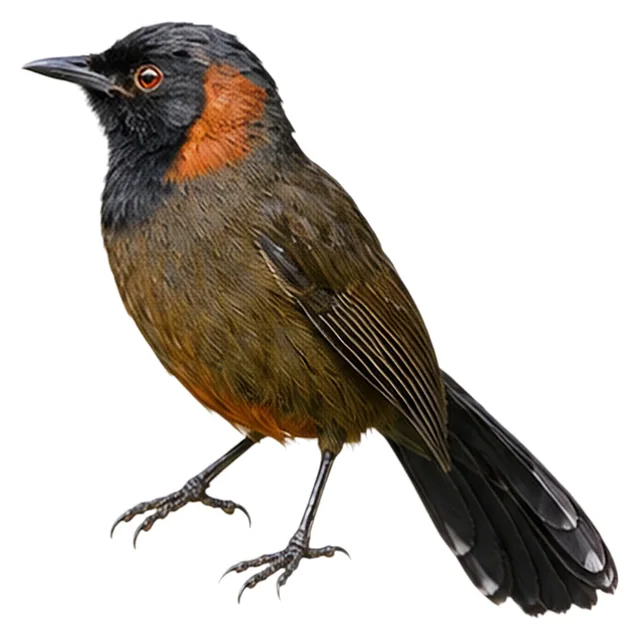
Rufous-necked Laughingthrush
Pterorhinus ruficollis (Jardine & Selby, 1838)
22–27 cmLength66 gWeight
This laughingthrush has a black face and a chestnut tinge on the neck.
Busiest months: April · Most records: India, Bhutan, China
How to identify
Field marks
- Chestnut tinge on the neck
- Black face
Voice
A series of fine, jumbled chirps, like chattering laughter.
Where and when it's recorded
Busiest months: April · Most records: India, Bhutan, China

Rufous-necked Laughingthrush has been recorded at 71 of the 8,276 birding hotspots we track, in 6 countries and regions.
Records by month Northern Hemisphere
Where it's recorded most
- Manas NP – BanasbariIndia348 records
- Mahananda WLS – LatpancharIndia132 records
- Yingjiang Wetland ParkChina88 records
More places
- Vulture (Jatayu) Restaurant and GrasslandNepal80 records
- Tingtibi campBhutan69 records
- Royal Manas NP – Goling areaBhutan61 records
- Yongkhola campBhutan47 records
- Shonkhar Chu Valley, Limithang RoadBhutan46 records
- Kaziranga NP & SurroundingsIndia43 records
- LingmethangBhutan40 records
Countries and regions with the most records
eBird records via GBIF up to 2024-12-31. A record means someone listed it; more records partly mean more birders, not more birds.
About
The rufous-necked laughingthrush (Pterorhinus ruficollis) is a bird species in the laughingthrush family, Leiothrichidae. It is found in Bangladesh, Bhutan, China, India, Myanmar and Nepal, where its natural habitats are subtropical or tropical moist lowland forest and subtropical or tropical moist montane forest. Little study was done on this species due to its abundance and lack of interest in its conservation.
Excerpt from Wikipedia, CC BY-SA 4.0 · authors · Read more on Wikipedia
Questions
How big is the Rufous-necked Laughingthrush?
The Rufous-necked Laughingthrush is about 22–27 cm long and weighs around 66 g.
Where does the Rufous-necked Laughingthrush live?
Its breeding range: Oriental: Himalayas to Myanmar and southern China. It is most often recorded in India, Bhutan and China.
When is the best time to see the Rufous-necked Laughingthrush?
At the hotspots we track, it is recorded most in April (Northern Hemisphere).
Is the Rufous-necked Laughingthrush endangered?
The IUCN Red List classifies the Rufous-necked Laughingthrush as Least Concern.
What does the Rufous-necked Laughingthrush eat?
Main food: Insects & other invertebrates.
What family is the Rufous-necked Laughingthrush in?
It belongs to the family Laughingthrushes & Allies (Leiothrichidae), order Passerines (Passeriformes).
At a glance
- Length
- 22–27 cm
- Weight
- 66 g
- Habitat
- Shrubland
- Diet
- Insects & other invertebrates
- Lifestyle
- Varied
- Migration
- Resident (barely migrates)
- Conservation
- Least Concern
More measurements
- Wing
- 97 mm
- Tail
- 106 mm
- Bill
- 24 mm
- Tarsus
- 35 mm
Averages from the AVONET dataset; length from field guides where available.
Range
Oriental: Himalayas to Myanmar and southern China
Breeding range, IOC World Bird List 15.2
Classification
- Order
- Passerines Passeriformes
- Family
- Laughingthrushes & Allies Leiothrichidae
- Genus
- Pterorhinus
Other birds in the genus Pterorhinus
 Wayanad LaughingthrushPterorhinus delesserti
 Rufous-vented LaughingthrushPterorhinus gularis
 White-cheeked LaughingthrushPterorhinus vassali
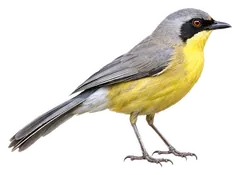 Yellow-throated LaughingthrushPterorhinus galbanus
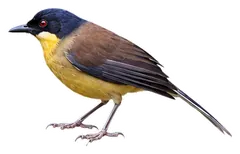 Blue-crowned LaughingthrushPterorhinus courtoisi
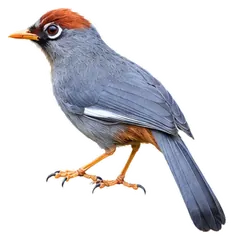 Chestnut-capped LaughingthrushPterorhinus mitratus
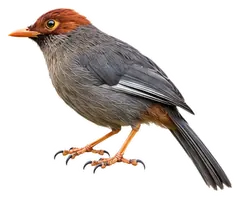 Chestnut-hooded LaughingthrushPterorhinus treacheri
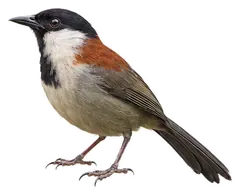 Chestnut-backed LaughingthrushPterorhinus nuchalis
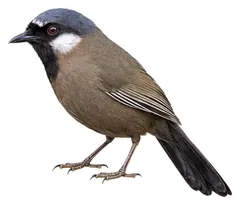 Black-throated LaughingthrushPterorhinus chinensis
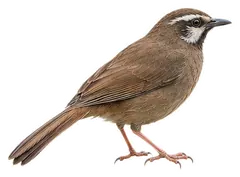 White-browed LaughingthrushPterorhinus sannio
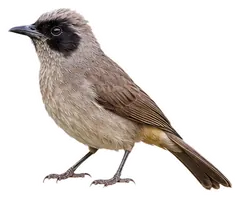 Masked LaughingthrushPterorhinus perspicillatus
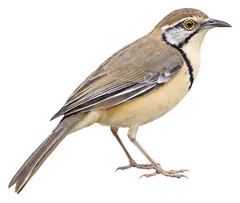 Greater Necklaced LaughingthrushPterorhinus pectoralis
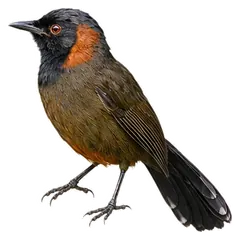
Download illustration
Free to use with credit: “Illustration: Bird Album (birdalbum.com)”. Drawn by AI from a reference photo by Pema Dorji. ↗
Heard it but can't see it? Mingji identifies birds by sound and photo, on your phone.
In other languages
- EnglishRufous-necked Laughingthrush
- 简体中文栗颈噪鹛
- 繁體中文慄頸噪鶥
- 日本語アカエリガビチョウ
- DeutschRothalshäherling
- FrançaisGarrulaxe à col roux
- EspañolCharlatán cuellirrufo
- Portuguêszaragateiro-de-pescoço-ruivo
- ItalianoGarrulo sghignazzante collorossiccio
- NederlandsRoodneklijstergaai
- РусскийКрасношейная кустарница
- Svenskarosthalsad fnittertrast
- DanskRustnakket Skadedrossel
- Polskisójkowiec rdzawoszyi