 Bird Album
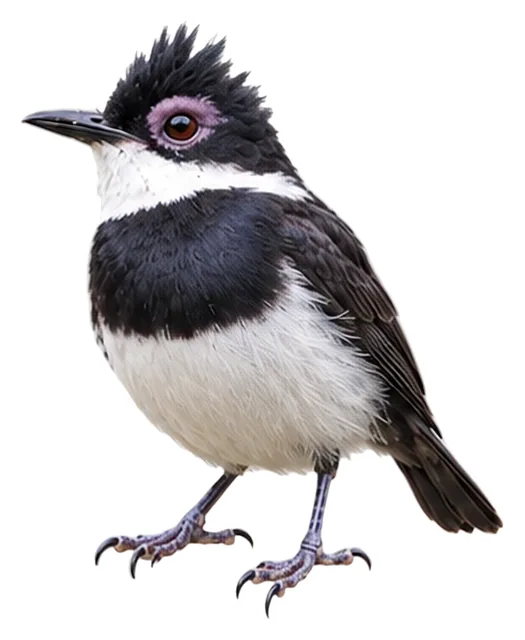
Chestnut Wattle-eye
Dyaphorophyia castanea (Fraser, 1843)
14 gWeight
The chestnut wattle-eye (Dyaphorophyia castanea) is a species of bird in the family Platysteiridae.
Busiest months: July · Most records: Uganda, Kenya, Equatorial Guinea
Where and when it's recorded

Chestnut Wattle-eye has been recorded at 67 of the 8,171 birding hotspots we track, in 11 countries and regions.
Records by month Northern Hemisphere
Where it's recorded most
- Budongo Forest Reserve – Royal MileUganda501 records
- Kibale NPUganda259 records
- Kakamega Forest NRKenya201 records
More places
- Mabira ForestUganda189 records
- Semuliki NPUganda183 records
- Bwindi-Impenetrable Forest NP – BuhomaUganda148 records
- Bwindi-Impenetrable Forest NP – Waterfall WalkUganda138 records
- Bwindi-Impenetrable Forest NP – Buhoma TrackUganda128 records
- Semuliki NP – Kirumya TrailUganda120 records
- Bosque Científica – Selva PrimariaEquatorial Guinea116 records
Countries and regions with the most records
eBird records via GBIF up to 2024-12-31. A record means someone listed it; more records partly mean more birders, not more birds.
About
The chestnut wattle-eye (Dyaphorophyia castanea) is a species of bird in the family Platysteiridae. It is widespread across Central Africa. Its natural habitats are subtropical or tropical moist lowland forest, subtropical or tropical swamps, and moist savanna.
Excerpt from Wikipedia, CC BY-SA 4.0 · authors · Read more on Wikipedia
Questions
How big is the Chestnut Wattle-eye?
The Chestnut Wattle-eye weighs around 14 g.
Where does the Chestnut Wattle-eye live?
Its breeding range: Africa: Nigeria to southern Sudan, western Kenya and northern Zambia. It is most often recorded in Uganda, Kenya and Equatorial Guinea.
When is the best time to see the Chestnut Wattle-eye?
At the hotspots we track, it is recorded most in July (Northern Hemisphere).
What does the Chestnut Wattle-eye eat?
Main food: Insects & other invertebrates.
What family is the Chestnut Wattle-eye in?
It belongs to the family Wattle-eyes, Batises (Platysteiridae), order Passerines (Passeriformes).
At a glance
- Weight
- 14 g
- Habitat
- Forest
- Diet
- Insects & other invertebrates
- Lifestyle
- Perches in trees
- Migration
- Resident (barely migrates)
More measurements
- Wing
- 60 mm
- Tail
- 26 mm
- Bill
- 16 mm
- Tarsus
- 16 mm
Averages from the AVONET dataset; length from field guides where available.
Range
Africa: Nigeria to southern Sudan, western Kenya and northern Zambia
Breeding range, IOC World Bird List 15.2
Classification
- Order
- Passerines Passeriformes
- Family
- Wattle-eyes, Batises Platysteiridae
- Genus
- Dyaphorophyia
Other birds in the genus Dyaphorophyia
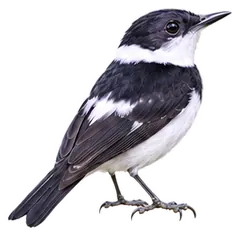 West African Wattle-eyeDyaphorophyia hormophora
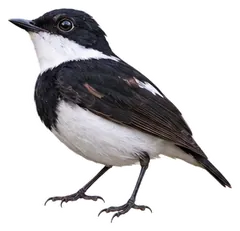 White-spotted Wattle-eyeDyaphorophyia tonsa
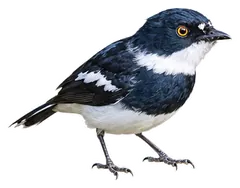 Rwenzori BatisBatis diops
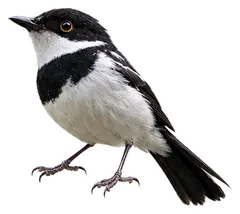 Margaret's BatisBatis margaritae
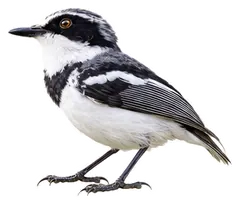 Forest BatisBatis mixta
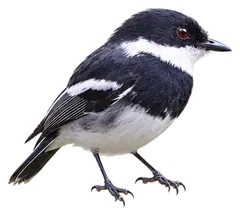 Dark BatisBatis crypta
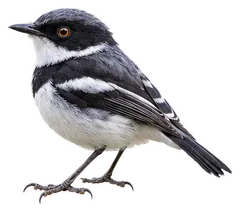 Malawi BatisBatis dimorpha
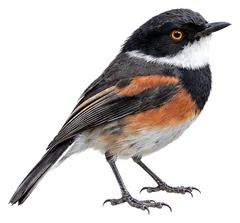 Cape BatisBatis capensis
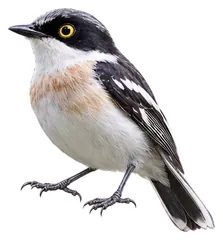 Woodwards' BatisBatis fratrum
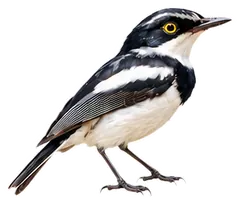 Chinspot BatisBatis molitor
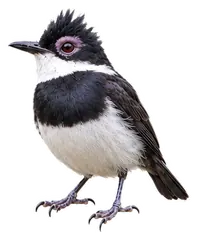
Download illustration
Free to use with credit: “Illustration: Bird Album (birdalbum.com)”. Drawn by AI from a reference photo by Nik Borrow. ↗
Heard it but can't see it? Mingji identifies birds by sound and photo, on your phone.
In other languages
- EnglishChestnut Wattle-eye
- 简体中文栗色疣眼鹟
- 繁體中文栗色眼瘤鶲
- 日本語メスアカメガネヒタキ
- DeutschWeißbürzel-Lappenschnäpper
- FrançaisPririt châtain
- EspañolBatis carunculado castaño
- Portuguêsolho-de-carúncula-canela
- ItalianoOcchiocarniccio castano
- NederlandsWitstuitlelvliegenvanger
- РусскийПегая серёжкоглазка
- Svenskakastanjefliköga
- DanskKastanjebrun Lapøje
- Polskikrępaczek białoszyi