 Bird Album
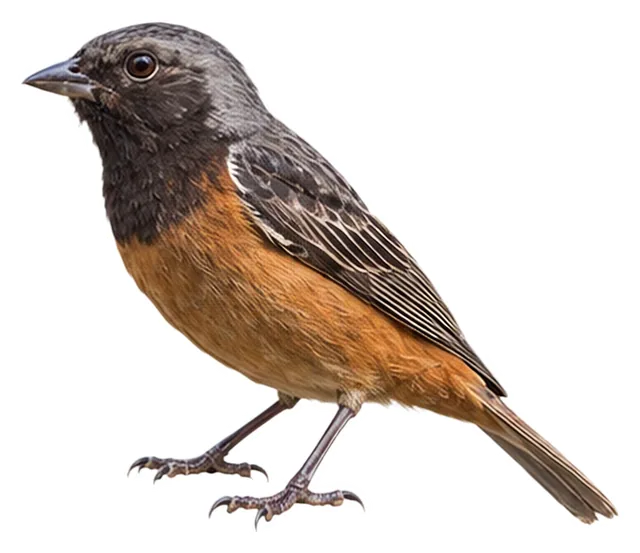
Dark-throated Seedeater
Sporophila ruficollis Cabanis, 1851
10–11 cmLength8.6 gWeight
The dark-throated seedeater (Sporophila ruficollis) is a Near Threatened species of bird in the family Thraupidae, the tanagers and allies.
Busiest months: November · Most records: Argentina, Paraguay, Brazil
Where and when it's recorded

Dark-throated Seedeater has been recorded at 69 of the 8,171 birding hotspots we track, in 5 countries and regions.
Records by month Southern Hemisphere
Where it's recorded most
- San WendelinoArgentina141 records
- PerdicesArgentina136 records
- Parque del BicentenarioArgentina89 records
More places
- Barba Azul Nature ReserveBolivia82 records
- PN Iberá – Portal Laguna IberáArgentina63 records
- Playa - Ex Calera San AntonioParaguay62 records
- Pantanal da Nhecolândia – Fazenda AlegriaBrazil38 records
- PN Iberá – Portal CambyretáArgentina31 records
- Bahia de AsuncionParaguay28 records
- Bahía de Asunción – CostaneraParaguay20 records
Countries and regions with the most records
eBird records via GBIF up to 2024-12-31. A record means someone listed it; more records partly mean more birders, not more birds.
About
The dark-throated seedeater (Sporophila ruficollis) is a Near Threatened species of bird in the family Thraupidae, the tanagers and allies. It is found in Argentina, Bolivia, Brazil, Paraguay, Uruguay, and as a vagrant to Peru.
Excerpt from Wikipedia, CC BY-SA 4.0 · authors · Read more on Wikipedia
Questions
How big is the Dark-throated Seedeater?
The Dark-throated Seedeater is about 10–11 cm long and weighs around 8.6 g.
Where does the Dark-throated Seedeater live?
Its breeding range: South America: southeastern Bolivia and southwestern Brazil to northeastern Argentina and Uruguay. It is most often recorded in Argentina, Paraguay and Brazil.
When is the best time to see the Dark-throated Seedeater?
At the hotspots we track, it is recorded most in November (Southern Hemisphere).
Is the Dark-throated Seedeater endangered?
The IUCN Red List classifies the Dark-throated Seedeater as Near Threatened.
What does the Dark-throated Seedeater eat?
Main food: Seeds.
What family is the Dark-throated Seedeater in?
It belongs to the family Tanagers & Allies (Thraupidae), order Passerines (Passeriformes).
At a glance
- Length
- 10–11 cm
- Weight
- 8.6 g
- Habitat
- Grassland
- Diet
- Seeds
- Lifestyle
- Perches in trees
- Migration
- Partial migrant
- Conservation
- Near Threatened
More measurements
- Wing
- 53 mm
- Tail
- 44 mm
- Bill
- 9 mm
- Tarsus
- 14 mm
Averages from the AVONET dataset; length from field guides where available.
Range
South America: southeastern Bolivia and southwestern Brazil to northeastern Argentina and Uruguay
Breeding range, IOC World Bird List 15.2
Classification
- Order
- Passerines Passeriformes
- Family
- Tanagers & Allies Thraupidae
- Genus
- Sporophila
Other birds in the genus Sporophila
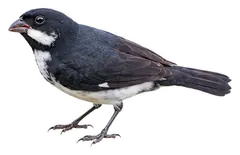 Lesson's SeedeaterSporophila bouvronides
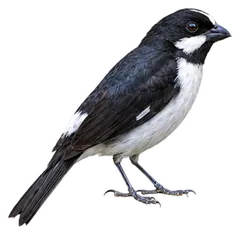 Lined SeedeaterSporophila lineola
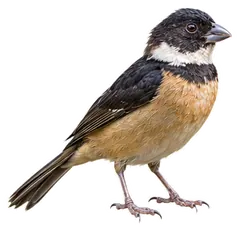 Cinnamon-rumped SeedeaterSporophila torqueola
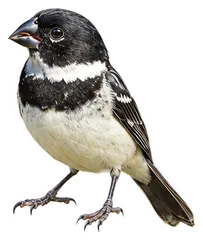 Morelet's SeedeaterSporophila morelleti
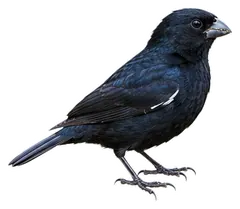 Variable SeedeaterSporophila corvina
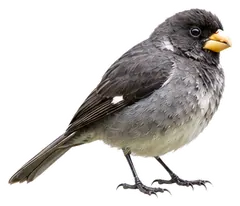 Grey SeedeaterSporophila intermedia
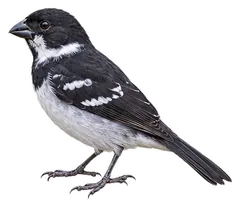 Wing-barred SeedeaterSporophila americana
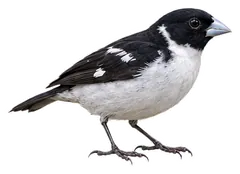 White-naped SeedeaterSporophila fringilloides
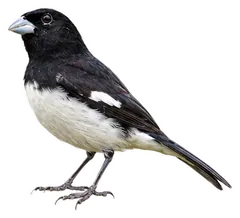 Black-and-white SeedeaterSporophila luctuosa
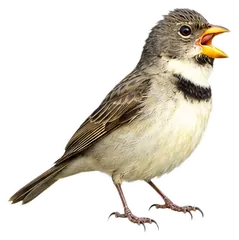 Double-collared SeedeaterSporophila caerulescens
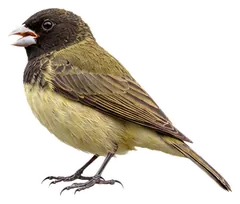 Yellow-bellied SeedeaterSporophila nigricollis
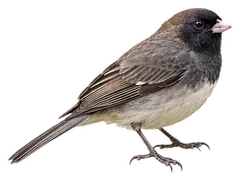 Dubois's SeedeaterSporophila ardesiaca
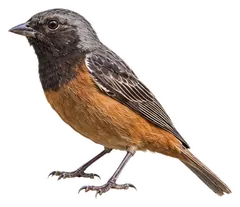
Download illustration
Free to use with credit: “Illustration: Bird Album (birdalbum.com)”. Drawn by AI from a reference photo by dannyzelener. ↗
Heard it but can't see it? Mingji identifies birds by sound and photo, on your phone.
In other languages
- EnglishDark-throated Seedeater
- 简体中文黑喉食籽雀
- 繁體中文黑喉食籽雀
- 日本語ノドグロヒメウソ
- DeutschSchwarzkehlspelzer
- FrançaisSporophile à gorge sombre
- EspañolSemillero gorjioscuro
- Portuguêscaboclinho-de-papo-escuro
- ItalianoBeccasemi golascura
- NederlandsZwartkeeldikbekje
- РусскийЧернозобый просяночник
- Svenskasvartstrupig frötangara
- DanskSorthalset Klerkefinke
- Polskiziarnojadek moczarowy