 Bird Album
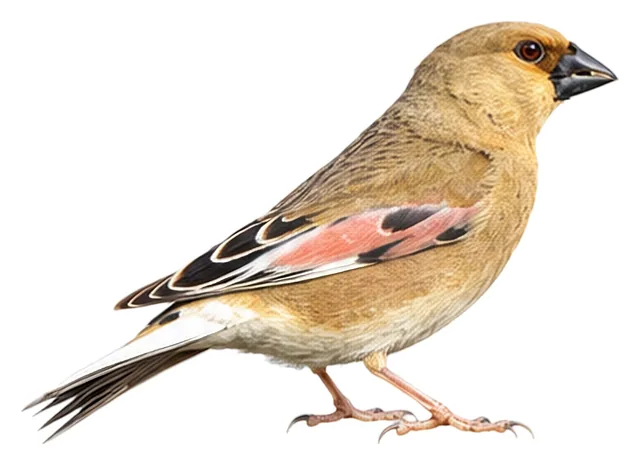
Desert Finch
Rhodospiza obsoleta (Lichtenstein, MHC, 1823)
≈16 cmLength26 cmWingspan26 gWeight
This large brown finch has a single rose-pink band on each wing.
Busiest months: May · Most records: Israel, Kazakhstan, China
How to identify
Field marks
- A single rose-pink band on each wing
- Bill stout and black
- Flight feathers and tail feathers black-and-white
- Mainly brown overall
Male, female and young
Female has darker plumage than the male; otherwise sexes similar.
Where and when it's recorded
Busiest months: May · Most records: Israel, Kazakhstan, China

Desert Finch has been recorded at 75 of the 8,276 birding hotspots we track, in 15 countries and regions.
Records by month Northern Hemisphere
Where it's recorded most
- Beer-Sheva Park==Israel544 records
- Kfar Ruppin fishpondsIsrael295 records
- Yeruham LakeIsrael191 records
More places
- International Birding and Research Center Eilat (IBRCE)Israel80 records
- KanshengelKazakhstan75 records
- Tehran – Police Park (North)Iran39 records
- Taukum DesertKazakhstan36 records
- Azraq Wetland ReserveJordan35 records
- BeishawoChina34 records
- Tengiz – South Evaporation PondsKazakhstan26 records
Countries and regions with the most records
eBird records via GBIF up to 2024-12-31. A record means someone listed it; more records partly mean more birders, not more birds.
About
The desert finch (Rhodospiza obsoleta), sometimes called Lichtenstein's desert finch, is a large brown true finch found in southern Eurasia. Its taxonomy is confused, and it has formerly been placed in Fringilla, Bucanetes, Carduelis and Rhodopechys.
Excerpt from Wikipedia, CC BY-SA 4.0 · authors · Read more on Wikipedia
Questions
How big is the Desert Finch?
The Desert Finch is about ≈16 cm long, with a wingspan of 26 cm and weighs around 26 g.
Where does the Desert Finch live?
Its breeding range: Palearctic: temperate to subtropical south-central, central Palearctic in dry scrub, orchards, gardens: southeastern Turkey east through southern Kazakhstan, western, northern Xinjiang (northwestern China), far southwestern Mongolia to central Inner Mongolia (north-central China); in south to Sinai Peninsula, central Saudi Arabia, southeastern Iran, northern Afghanistan and north-central Pakistan. It is most often recorded in Israel, Kazakhstan and China.
When is the best time to see the Desert Finch?
At the hotspots we track, it is recorded most in May (Northern Hemisphere).
Is the Desert Finch endangered?
The IUCN Red List classifies the Desert Finch as Least Concern.
What does the Desert Finch eat?
Main food: Seeds.
What family is the Desert Finch in?
It belongs to the family Finches, Euphonias (Fringillidae), order Passerines (Passeriformes).
At a glance
- Length
- ≈16 cm
- Wingspan
- 26 cm
- Weight
- 26 g
- Habitat
- Desert
- Diet
- Seeds
- Lifestyle
- Varied
- Migration
- Partial migrant
- Conservation
- Least Concern
More measurements
- Wing
- 86 mm
- Tail
- 66 mm
- Bill
- 12 mm
- Tarsus
- 17 mm
Averages from the AVONET dataset; length from field guides where available.
Range
Palearctic: temperate to subtropical south-central, central Palearctic in dry scrub, orchards, gardens: southeastern Turkey east through southern Kazakhstan, western, northern Xinjiang (northwestern China), far southwestern Mongolia to central Inner Mongolia (north-central China); in south to Sinai Peninsula, central Saudi Arabia, southeastern Iran, northern Afghanistan and north-central Pakistan
Breeding range, IOC World Bird List 15.2
Classification
- Order
- Passerines Passeriformes
- Family
- Finches, Euphonias Fringillidae
- Genus
- Rhodospiza
More from the family Finches, Euphonias
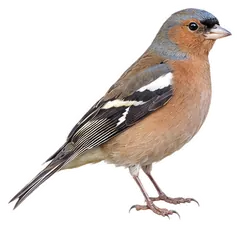 Eurasian ChaffinchFringilla coelebs
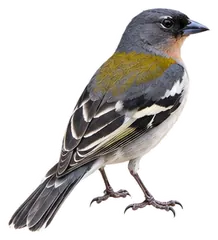 African ChaffinchFringilla spodiogenys
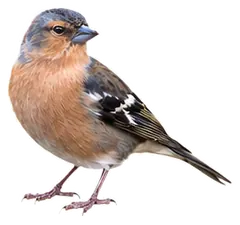 Azores ChaffinchFringilla moreletti
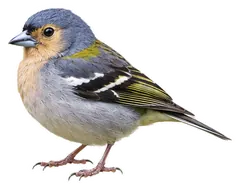 Madeira ChaffinchFringilla maderensis
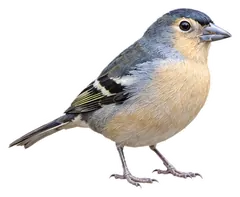 Canary Islands ChaffinchFringilla canariensis
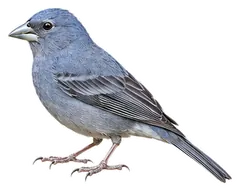 Tenerife Blue ChaffinchFringilla teydea
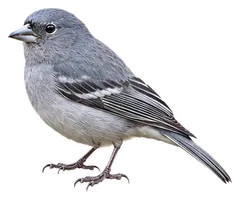 Gran Canaria Blue ChaffinchFringilla polatzeki
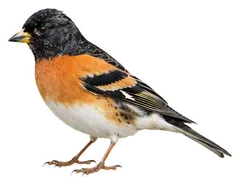 BramblingFringilla montifringilla
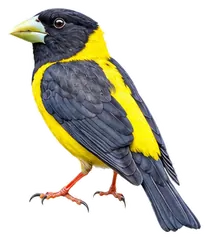 Black-and-yellow GrosbeakMycerobas icterioides
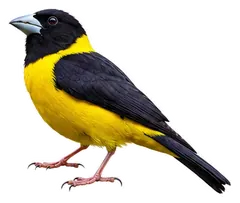 Collared GrosbeakMycerobas affinis
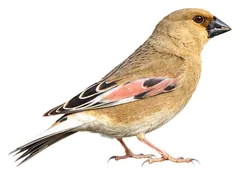
Download illustration
Free to use with credit: “Illustration: Bird Album (birdalbum.com)”. Drawn by AI from a reference photo by Kudaibergen Amirekul. ↗
Heard it but can't see it? Mingji identifies birds by sound and photo, on your phone.