 Bird Album
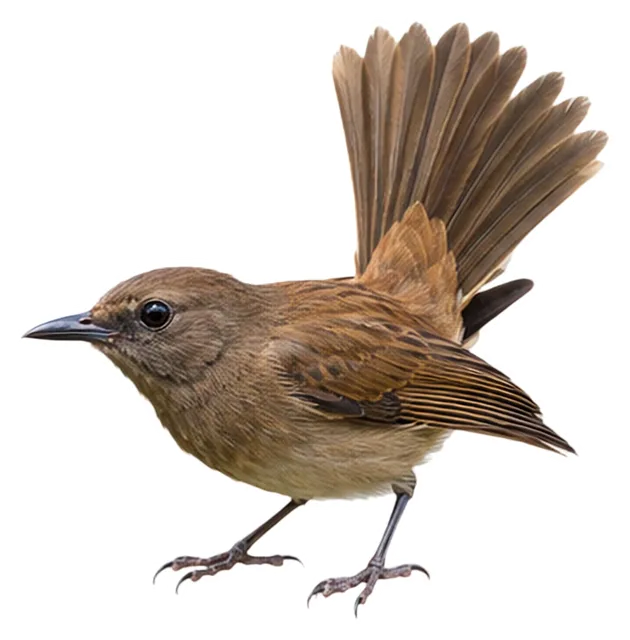
Fiji Shrikebill
Clytorhynchus vitiensis (Hartlaub, 1866)
29 gWeight
The Fiji shrikebill (Clytorhynchus vitiensis) is a songbird species in the family Monarchidae.
Busiest months: August · Most records: Fiji, American Samoa, Tonga
Where and when it's recorded

Fiji Shrikebill has been recorded at 14 of the 8,171 birding hotspots we track, in 3 countries and regions.
Records by month Southern Hemisphere
Where it's recorded most
- Colo-I-Suva Forest ParkFiji158 records
- Taveuni – Des Voeux PeakFiji90 records
- Des Veoux Peak – Mount ManukaFiji63 records
More places
- Savura Creek – WaterButt to ReservoirFiji42 records
- Vunisea – Road NorthFiji34 records
- Kadavu Island - Papageno ResortFiji34 records
- MatavaFiji29 records
- Colo-i-Suva Rainforest LodgeFiji22 records
- Nakobelevu – Waterbutt to PylonFiji12 records
- Ofu Beach National ParkAmerican Samoa6 records
Countries and regions with the most records
eBird records via GBIF up to 2024-12-31. A record means someone listed it; more records partly mean more birders, not more birds.
About
The Fiji shrikebill (Clytorhynchus vitiensis) is a songbird species in the family Monarchidae. It is found in American Samoa, Fiji, and Tonga. Its natural habitat is subtropical or tropical moist lowland forests.
Excerpt from Wikipedia, CC BY-SA 4.0 · authors · Read more on Wikipedia
Questions
How big is the Fiji Shrikebill?
The Fiji Shrikebill weighs around 29 g.
Where does the Fiji Shrikebill live?
Its breeding range: Pacific Ocean: Fiji (southwestern Polynesia), Tonga and Samoa (central Polynesia). It is most often recorded in Fiji, American Samoa and Tonga.
When is the best time to see the Fiji Shrikebill?
At the hotspots we track, it is recorded most in August (Southern Hemisphere).
Is the Fiji Shrikebill endangered?
The IUCN Red List classifies the Fiji Shrikebill as Least Concern.
What does the Fiji Shrikebill eat?
Main food: Insects & other invertebrates.
What family is the Fiji Shrikebill in?
It belongs to the family Monarchs (Monarchidae), order Passerines (Passeriformes).
At a glance
- Weight
- 29 g
- Habitat
- Forest
- Diet
- Insects & other invertebrates
- Lifestyle
- Perches in trees
- Migration
- Resident (barely migrates)
- Conservation
- Least Concern
More measurements
- Wing
- 89 mm
- Tail
- 75 mm
- Bill
- 23 mm
- Tarsus
- 22 mm
Averages from the AVONET dataset; length from field guides where available.
Range
Pacific Ocean: Fiji (southwestern Polynesia), Tonga and Samoa (central Polynesia)
Breeding range, IOC World Bird List 15.2
Classification
- Order
- Passerines Passeriformes
- Family
- Monarchs Monarchidae
- Genus
- Clytorhynchus
Other birds in the genus Clytorhynchus
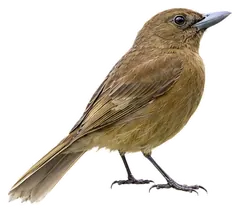 Southern ShrikebillClytorhynchus pachycephaloides
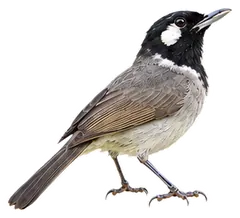 Black-throated ShrikebillClytorhynchus nigrogularis
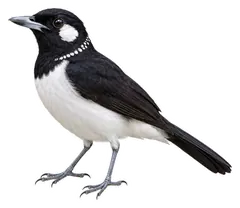 Santa Cruz ShrikebillClytorhynchus sanctaecrucis
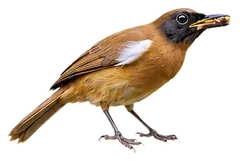 Rennell ShrikebillClytorhynchus hamlini
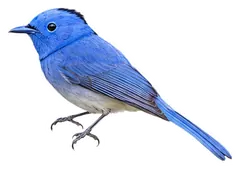 Black-naped MonarchHypothymis azurea
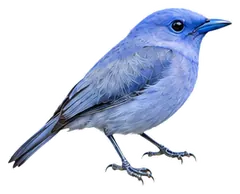 Pale-blue MonarchHypothymis puella
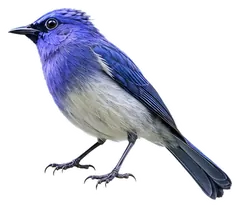 Short-crested MonarchHypothymis helenae
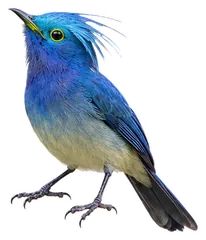 Celestial MonarchHypothymis coelestis
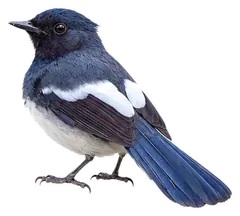 Blue-mantled Crested FlycatcherTrochocercus cyanomelas
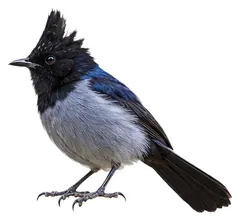 Blue-headed Crested FlycatcherTrochocercus nitens
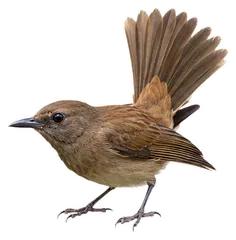
Download illustration
Free to use with credit: “Illustration: Bird Album (birdalbum.com)”. Drawn by AI from a reference photo by Bird Explorers. ↗
Heard it but can't see it? Mingji identifies birds by sound and photo, on your phone.
In other languages
- EnglishFiji Shrikebill
- 简体中文斐济鵙嘴鹟
- 繁體中文斐濟鵙嘴鶲
- 日本語フィジーオオハシヒタキ
- DeutschFidschimonarch
- FrançaisMonarque des Fidji
- EspañolMonarca de Fiyi
- Portuguêsmonarca-das-fiji
- ItalianoBecco d'averla delle Figi
- NederlandsFijiklauwiermonarch
- РусскийФиджийский олевао
- Svenskamindre kroknäbb
- DanskFijiskadenæb
- Polskidzierzbodziób rdzawoboczny