 Bird Album
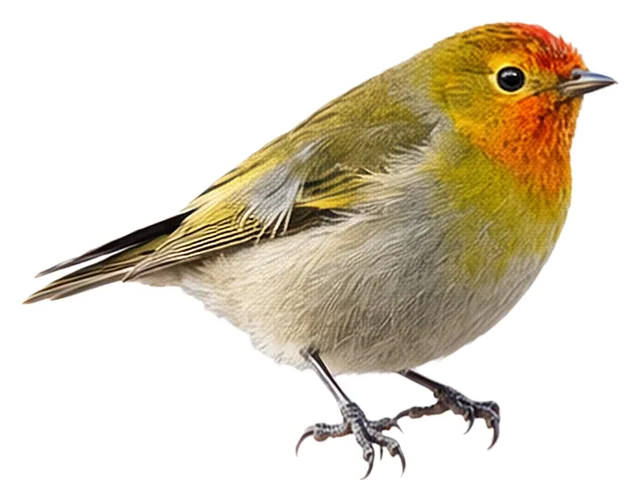
Fire-capped Tit
Cephalopyrus flammiceps (Burton, E, 1836)
10–11 cmLength7 gWeight
The male has a tufted orange-red crest in the breeding season and a body length of about 10 cm.
Busiest months: February and May · Most records: China, India, Thailand
How to identify
Field marks
- Male's crest orange-red in breeding season
- Male's supercilium and area around the eye golden-yellow tinged red in breeding season
- Male's chin and throat orange, breast golden-yellow in breeding season
- Tips of tail feathers white
Male, female and young
In the non-breeding season, the female differs little from the male, with somewhat olive-gray-green upperparts and a grayish-white chin and throat.
Voice
A high, rapid “tsit-tsit-tsit-tsit”; the contact call is a soft, low “whitoo-whitoo”.
Where and when it's recorded

Fire-capped Tit has been recorded at 131 of the 8,171 birding hotspots we track, in 6 countries and regions.
Records by month Northern Hemisphere
Where it's recorded most
- Bhondsi Nature ParkIndia142 records
- Longcanggou [General Area]China84 records
- Doi Pha Hom Pok NP – Doi Lang (W), AKA Doi San JuThailand66 records
More places
- Labahe NNRChina62 records
- Doi Inthanon NPThailand28 records
- Kadoorie Farm and Botanic GardenHong Kong (China)22 records
- Hailuogou Glacier Forest ParkChina22 records
- Tangjiahe NNRChina20 records
- Xishuangbanna Tropical Botanical GardenChina19 records
- Dochula – Royal Botanical ParkBhutan18 records
Countries and regions with the most records
eBird records via GBIF up to 2024-12-31. A record means someone listed it; more records partly mean more birders, not more birds.
Questions
How big is the Fire-capped Tit?
The Fire-capped Tit is about 10–11 cm long and weighs around 7 g.
Where does the Fire-capped Tit live?
Its breeding range: Oriental: Himalayas to northern Laos. It is most often recorded in China, India and Thailand.
When is the best time to see the Fire-capped Tit?
At the hotspots we track, it is recorded most in February and May (Northern Hemisphere).
Is the Fire-capped Tit endangered?
The IUCN Red List classifies the Fire-capped Tit as Least Concern.
What does the Fire-capped Tit eat?
Main food: Insects & other invertebrates.
What family is the Fire-capped Tit in?
It belongs to the family Tits, Chickadees (Paridae), order Passerines (Passeriformes).
At a glance
- Length
- 10–11 cm
- Weight
- 7 g
- Habitat
- Forest
- Diet
- Insects & other invertebrates
- Lifestyle
- Perches in trees
- Migration
- Partial migrant
- Conservation
- Least Concern
More measurements
- Wing
- 60 mm
- Tail
- 32 mm
- Bill
- 8 mm
- Tarsus
- 12 mm
Averages from the AVONET dataset; length from field guides where available.
Range
Oriental: Himalayas to northern Laos
Breeding range, IOC World Bird List 15.2
Subspecies · 1
- Cephalopyrus flammiceps olivaceus e Himalayas to sc, s China | non-breeding: to n Laos and n Thailand
Classification
- Order
- Passerines Passeriformes
- Family
- Tits, Chickadees Paridae
- Genus
- Cephalopyrus
More from the family Tits, Chickadees
 Yellow-browed TitSylviparus modestus
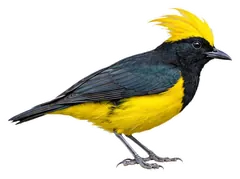 Sultan TitMelanochlora sultanea
 Rufous-naped TitPeriparus rufonuchalis
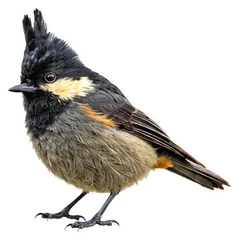 Rufous-vented TitPeriparus rubidiventris
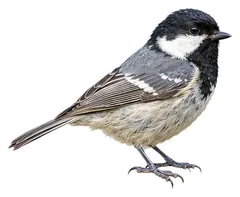 Coal TitPeriparus ater
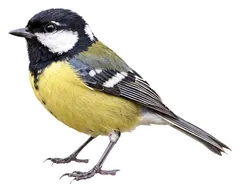 Yellow-bellied TitPeriparus venustulus
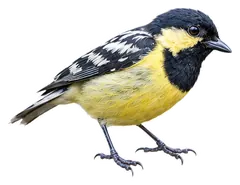 Elegant TitPeriparus elegans
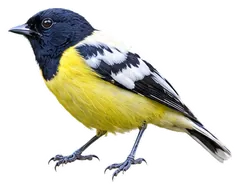 Palawan TitPeriparus amabilis
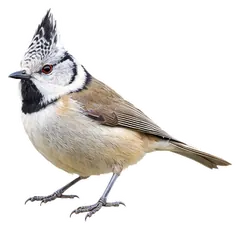 Crested TitLophophanes cristatus
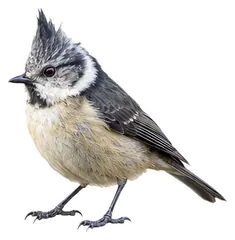 Grey-crested TitLophophanes dichrous
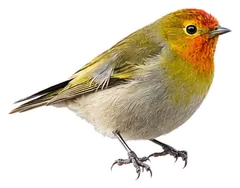
Download illustration
Free to use with credit: “Illustration: Bird Album (birdalbum.com)”. Drawn by AI from a reference photo by Alexander Naumov. ↗
Heard it but can't see it? Mingji identifies birds by sound and photo, on your phone.