 Bird Album
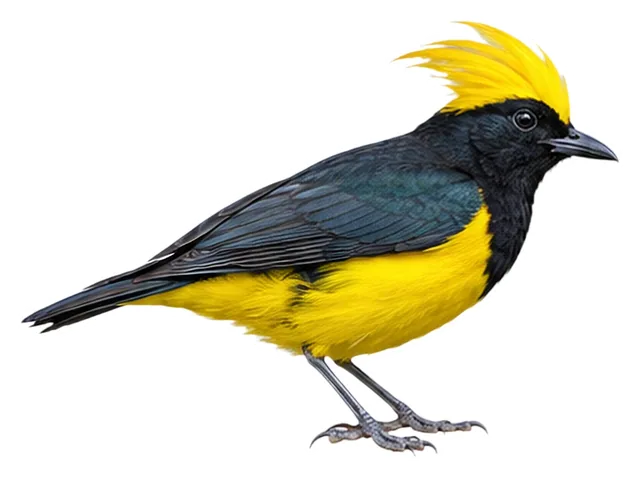
Sultan Tit
Melanochlora sultanea (Hodgson, 1837)
≈20 cmLength38 gWeight
The largest tit has a black body and yellow belly, and usually a bright yellow crest on the crown.
Busiest months: February–March · Most records: Thailand, India, Malaysia
How to identify
Field marks
- Forehead and crown crest bright yellow, black in some subspecies
- Upperparts, sides of head, throat and breast deep black with a green metallic gloss
- Deep yellow below breast
- Bill black; legs and feet gray
Male, female and young
Sexes similar, but the female is slightly duller, with darker yellow areas; juveniles resemble the female but have a shorter crest.
Voice
Loud, short, varied whistles, also a rattling “chi-dip, tri-trip” and thin, high-pitched, repeated “wheet” whistles.
Where and when it's recorded

Sultan Tit has been recorded at 166 of the 8,171 birding hotspots we track, in 9 countries and regions.
Records by month Northern Hemisphere
Where it's recorded most
- Bukit FraserMalaysia817 records
- Kaeng Krachan NPThailand763 records
- Dihing Patkai NP – SoraipungIndia711 records
More places
- Dihing Patkai NP – SoraipungIndia606 records
- Kaeng Krachan NP – stream crossings 1–3Thailand586 records
- Kaeng Krachan NP – km 9 vicinityThailand494 records
- Mahananda WLS – LatpancharIndia465 records
- Kaeng Krachan NP – Ban Krang CampgroundsThailand424 records
- Jianfengling NNRChina328 records
- Nameri National Park & SurroundingsIndia308 records
Countries and regions with the most records
eBird records via GBIF up to 2024-12-31. A record means someone listed it; more records partly mean more birders, not more birds.
About
The sultan tit (Melanochlora sultanea) is an Asian forest bird with black upperparts plumage and yellow underparts, dark bill, and (depending on subspecies) a yellow or black crest. The young bird is duller than the adult and has a shorter crest. It is the only member of the monotypic genus Melanochlora, which is fairly distinct from other tits, third-basal in the family Paridae after Cephalopyrus and Sylviparus.
Excerpt from Wikipedia, CC BY-SA 4.0 · authors · Read more on Wikipedia
Questions
How big is the Sultan Tit?
The Sultan Tit is about ≈20 cm long and weighs around 38 g.
Where does the Sultan Tit live?
Its breeding range: Oriental: widespread. It is most often recorded in Thailand, India and Malaysia.
When is the best time to see the Sultan Tit?
At the hotspots we track, it is recorded most in February and March (Northern Hemisphere).
Is the Sultan Tit endangered?
The IUCN Red List classifies the Sultan Tit as Least Concern.
What does the Sultan Tit eat?
Main food: Insects & other invertebrates.
What family is the Sultan Tit in?
It belongs to the family Tits, Chickadees (Paridae), order Passerines (Passeriformes).
At a glance
- Length
- ≈20 cm
- Weight
- 38 g
- Habitat
- Forest
- Diet
- Insects & other invertebrates
- Lifestyle
- Perches in trees
- Migration
- Resident (barely migrates)
- Conservation
- Least Concern
More measurements
- Wing
- 106 mm
- Tail
- 89 mm
- Bill
- 18 mm
- Tarsus
- 23 mm
Averages from the AVONET dataset; length from field guides where available.
Range
Oriental: widespread
Breeding range, IOC World Bird List 15.2
Subspecies · 3
- Melanochlora sultanea sultanea e Himalayas to s China, n Thailand and Myanmar
- Melanochlora sultanea flavocristata c, s Thailand, Malay Pen., Sumatra and Hainan I. (off se China)
- Melanochlora sultanea seorsa se China and n Indochina
Classification
- Order
- Passerines Passeriformes
- Family
- Tits, Chickadees Paridae
- Genus
- Melanochlora
More from the family Tits, Chickadees
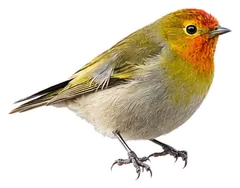 Fire-capped TitCephalopyrus flammiceps
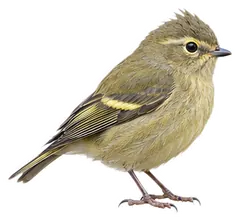 Yellow-browed TitSylviparus modestus
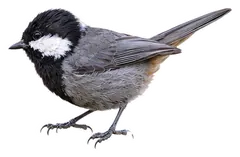 Rufous-naped TitPeriparus rufonuchalis
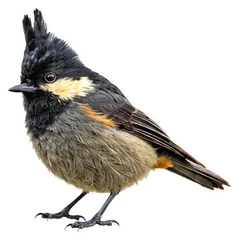 Rufous-vented TitPeriparus rubidiventris
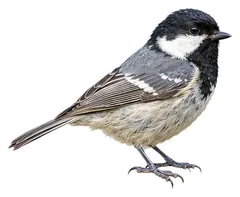 Coal TitPeriparus ater
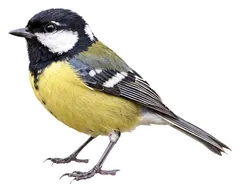 Yellow-bellied TitPeriparus venustulus
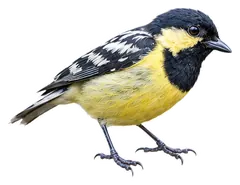 Elegant TitPeriparus elegans
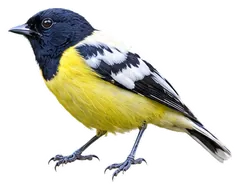 Palawan TitPeriparus amabilis
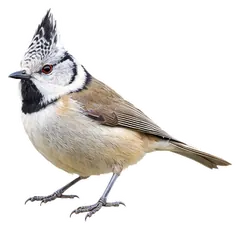 Crested TitLophophanes cristatus
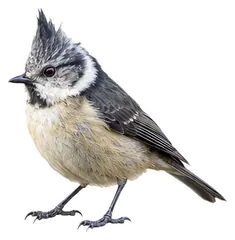 Grey-crested TitLophophanes dichrous
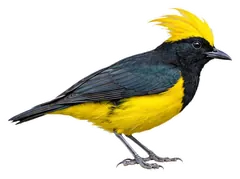
Download illustration
Free to use with credit: “Illustration: Bird Album (birdalbum.com)”. Drawn by AI from a reference photo by Original: Tisha Mukherjee. ↗

Heard it but can't see it? Mingji identifies birds by sound and photo, on your phone.