 Bird Album
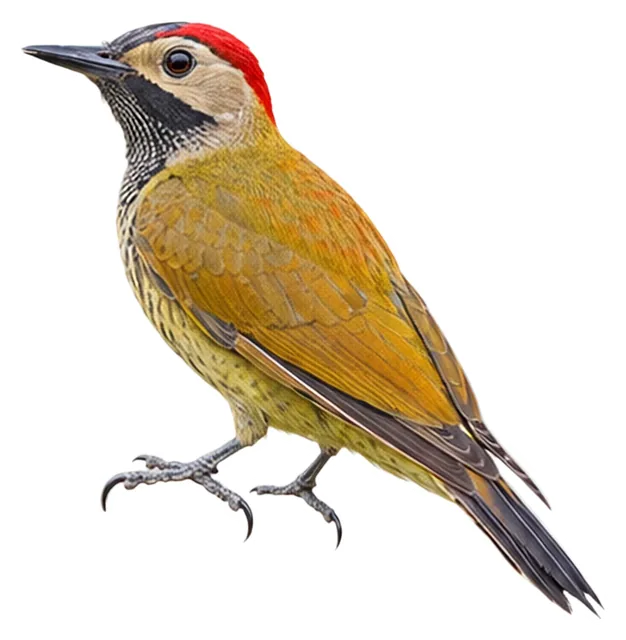
Golden-olive Woodpecker
Colaptes rubiginosus (Swainson, 1820)
18–23 cmLength56 gWeight
The golden-olive woodpecker (Colaptes rubiginosus) is a species of bird in the subfamily Picinae of the woodpecker family Picidae.
Busiest months: January–March · Most records: Colombia, Costa Rica, Ecuador
Where and when it's recorded
Busiest months: January–March · Most records: Colombia, Costa Rica, Ecuador

Golden-olive Woodpecker has been recorded at 479 of the 8,276 birding hotspots we track, in 17 countries and regions.
Records by month Northern Hemisphere
Where it's recorded most
- Rancho NaturalistaCosta Rica2,670 records
- Arenal Observatory LodgeCosta Rica2,592 records
- Asa Wright Nature CenterTrinidad & Tobago1,990 records
More places
- Curi-Cancha Refugio de Vida SilvestreCosta Rica1,742 records
- Finca Rubel ChaimGuatemala1,676 records
- Parque Ecológico El HayaMexico1,594 records
- Finca La GraciaGuatemala1,527 records
- RNP ChajbaocGuatemala1,525 records
- Rio Silanche Bird SanctuaryEcuador1,102 records
- Sendero Frutti Tour & BirdwatchingEcuador990 records
Countries and regions with the most records
eBird records via GBIF up to 2024-12-31. A record means someone listed it; more records partly mean more birders, not more birds.
About
The golden-olive woodpecker (Colaptes rubiginosus) is a species of bird in the subfamily Picinae of the woodpecker family Picidae. It is found from Mexico south and east through Panama, in every mainland South American country except Chile, Paraguay, and Uruguay.
Excerpt from Wikipedia, CC BY-SA 4.0 · authors · Read more on Wikipedia
Questions
How big is the Golden-olive Woodpecker?
The Golden-olive Woodpecker is about 18–23 cm long and weighs around 56 g.
Where does the Golden-olive Woodpecker live?
Its breeding range: Middle America, South America: Mexico to Guyana, northwestern Peru and northwestern Argentina. It is most often recorded in Colombia, Costa Rica and Ecuador.
When is the best time to see the Golden-olive Woodpecker?
At the hotspots we track, it is recorded most in January, February and March (Northern Hemisphere).
Is the Golden-olive Woodpecker endangered?
The IUCN Red List classifies the Golden-olive Woodpecker as Least Concern.
What does the Golden-olive Woodpecker eat?
Main food: Insects & other invertebrates.
What family is the Golden-olive Woodpecker in?
It belongs to the family Woodpeckers (Picidae), order Piciformes.
At a glance
- Length
- 18–23 cm
- Weight
- 56 g
- Habitat
- Forest
- Diet
- Insects & other invertebrates
- Lifestyle
- Perches in trees
- Migration
- Resident (barely migrates)
- Conservation
- Least Concern
More measurements
- Wing
- 125 mm
- Tail
- 79 mm
- Bill
- 27 mm
- Tarsus
- 22 mm
Averages from the AVONET dataset; length from field guides where available.
Range
Middle America, South America: Mexico to Guyana, northwestern Peru and northwestern Argentina
Breeding range, IOC World Bird List 15.2
Classification
- Order
- Piciformes
- Family
- Woodpeckers Picidae
- Genus
- Colaptes
Other birds in the genus Colaptes
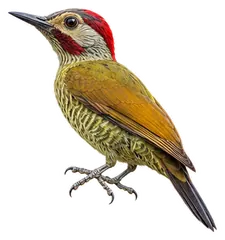 Bronze-winged WoodpeckerColaptes aeruginosus
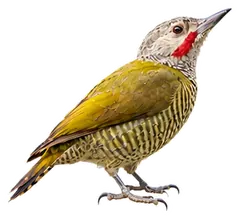 Grey-crowned WoodpeckerColaptes auricularis
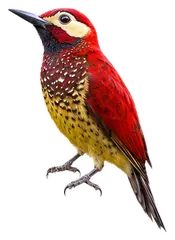 Crimson-mantled WoodpeckerColaptes rivolii
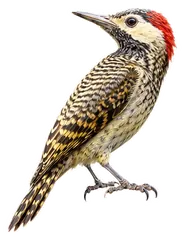 Black-necked WoodpeckerColaptes atricollis
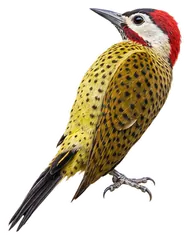 Spot-breasted WoodpeckerColaptes punctigula
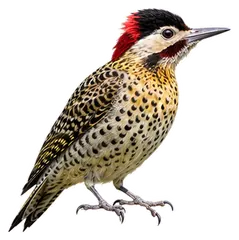 Green-barred WoodpeckerColaptes melanochloros
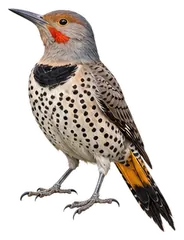 Northern FlickerColaptes auratus
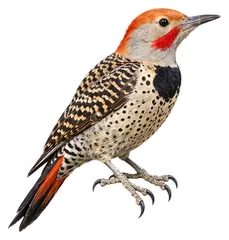 Guatemalan FlickerColaptes mexicanoides
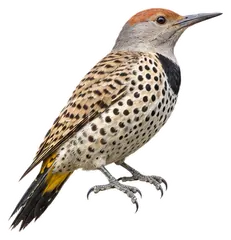 Gilded FlickerColaptes chrysoides
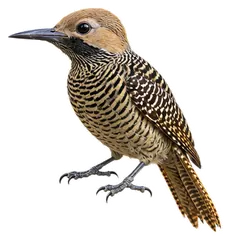 Fernandina's FlickerColaptes fernandinae
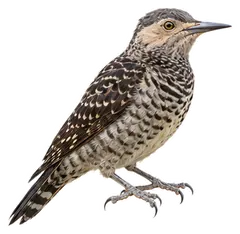 Chilean FlickerColaptes pitius
 Andean FlickerColaptes rupicola
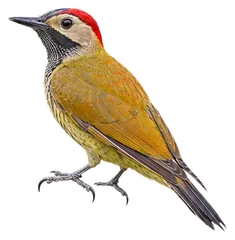
Download illustration
Free to use with credit: “Illustration: Bird Album (birdalbum.com)”. Drawn by AI from a reference photo by Christoph Moning. ↗
Heard it but can't see it? Mingji identifies birds by sound and photo, on your phone.