 Bird Album
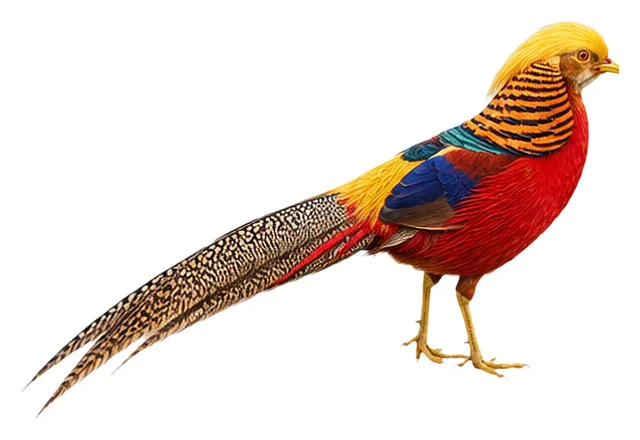
Golden Pheasant
Chrysolophus pictus (Linnaeus, 1758)
60–80 cmLength70 cmWingspan555 gWeight
The male is vividly colored, with a golden crest, red body and very long tail feathers.
Busiest months: May · Most records: China, United States, United Kingdom
Looks like Lady Amherst's Pheasant
How to identify
Field marks
- Golden-yellow crest lies smoothly back over the nape
- Golden-red cape on the nape, with black feather edges
- Male has mainly bright red breast and belly
- Upper back bronze-green; lower back and rump golden-yellow
Male, female and young
The female is gray-brown overall, with black barring on the head, neck, back, breast and other areas.
Voice
The male gives metallic calls in the breeding season.
Similar species
Where and when it's recorded

Golden Pheasant has been recorded at 80 of the 8,171 birding hotspots we track, in 7 countries and regions.
Records by month Northern Hemisphere
Where it's recorded most
- Lamasery, WolongChina167 records
- Tangjiahe NNRChina137 records
- Balang Shan [General Area]China77 records
More places
- Kuankuoshui NNRChina56 records
- Wolong Giant Panda Museum and ReserveChina47 records
- City Park – Couturie ForestUnited States43 records
- Dalaoling National Forest ParkChina36 records
- Wuyipeng Research StationChina28 records
- Billy Frank Jr. Nisqually NWRUnited States25 records
- HuangcaopingChina25 records
Countries and regions with the most records
eBird records via GBIF up to 2024-12-31. A record means someone listed it; more records partly mean more birders, not more birds.
About
The golden pheasant (Chrysolophus pictus), also known as the Chinese pheasant, and rainbow pheasant, is a gamebird of the order Galliformes (gallinaceous birds) and the family Phasianidae (pheasants). The genus name is from Ancient Greek khrusolophos, "with golden crest", and pictus is Latin for "painted" from pingere, "to paint".
Excerpt from Wikipedia, CC BY-SA 4.0 · authors · Read more on Wikipedia
Questions
How big is the Golden Pheasant?
The Golden Pheasant is about 60–80 cm long, with a wingspan of 70 cm and weighs around 555 g.
Where does the Golden Pheasant live?
Its breeding range: Oriental: central, southern China. It is most often recorded in China, United States and United Kingdom.
When is the best time to see the Golden Pheasant?
At the hotspots we track, it is recorded most in May (Northern Hemisphere).
Is the Golden Pheasant endangered?
The IUCN Red List classifies the Golden Pheasant as Least Concern.
What does the Golden Pheasant eat?
Main food: Land plants.
What family is the Golden Pheasant in?
It belongs to the family Pheasants & Allies (Phasianidae), order Galliformes.
At a glance
- Length
- 60–80 cm
- Wingspan
- 70 cm
- Weight
- 555 g
- Habitat
- Forest
- Diet
- Land plants
- Lifestyle
- Active on the ground
- Migration
- Resident (barely migrates)
- Conservation
- Least Concern
More measurements
- Wing
- 177 mm
- Tail
- 505 mm
- Bill
- 31 mm
- Tarsus
- 69 mm
Averages from the AVONET dataset; length from field guides where available.
Range
Oriental: central, southern China
Breeding range, IOC World Bird List 15.2
Classification
- Order
- Galliformes
- Family
- Pheasants & Allies Phasianidae
- Genus
- Chrysolophus
Other birds in the genus Chrysolophus
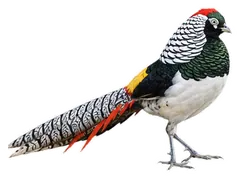 Lady Amherst's PheasantChrysolophus amherstiae
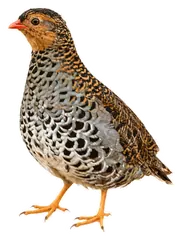 Udzungwa Forest PartridgeXenoperdix udzungwensis
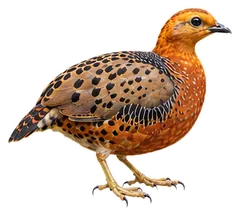 Ferruginous PartridgeCaloperdix oculeus
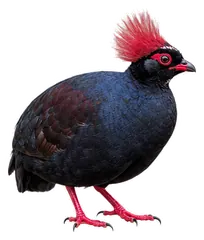 Crested PartridgeRollulus rouloul
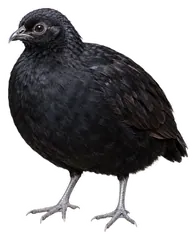 Black PartridgeMelanoperdix niger
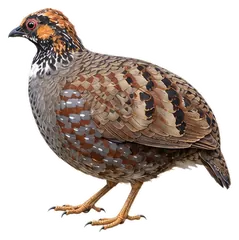 Hill PartridgeArborophila torqueola
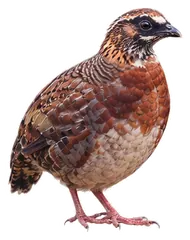 Sichuan PartridgeArborophila rufipectus
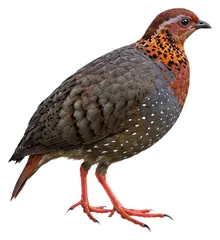 Chestnut-breasted PartridgeArborophila mandellii
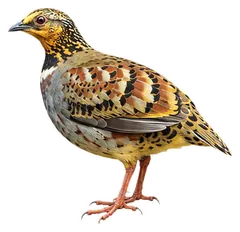 White-necklaced PartridgeArborophila gingica
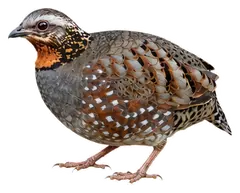 Rufous-throated PartridgeArborophila rufogularis
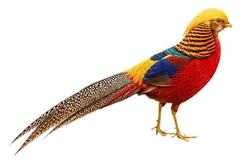
Download illustration
Free to use with credit: “Illustration: Bird Album (birdalbum.com)”. Drawn by AI from a reference photo by This image was produced by me, David Castor (user:dcastor). The pictures I submit to the Wikipedia Project are released to the public domain. This gives you the right to use them in any way you like, without any kind of notification. This said, I would still appreciate to be mentioned as the originator whenever you think it complies well with your use of the picture. A message to me about how it has been used would also be welcome. You are obviously not required to respond to these wishes of mine, just in a friendly manner encouraged to. (All my photos are placed in Category:Images by David Castor or a subcategory thereof.). ↗

Heard it but can't see it? Mingji identifies birds by sound and photo, on your phone.