 Bird Album
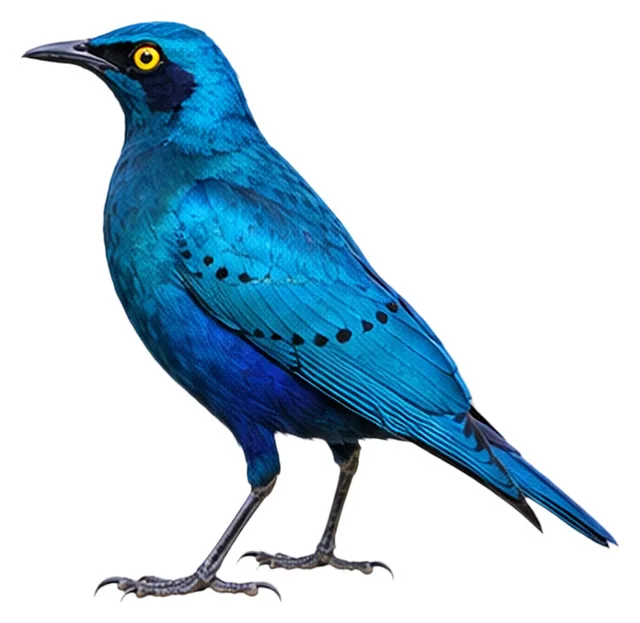
Greater Blue-eared Starling
Lamprotornis chalybaeus Hemprich & Ehrenberg, 1828
86 gWeight
The greater blue-eared starling or greater blue-eared glossy-starling (Lamprotornis chalybaeus) is a bird that breeds from Senegal east to Ethiopia and south through eastern Africa to northeastern South Africa and Angola.
Busiest months: October–November · Most records: South Africa, Kenya, Ethiopia
Where and when it's recorded
Busiest months: October–November · Most records: South Africa, Kenya, Ethiopia

Greater Blue-eared Starling has been recorded at 340 of the 8,276 birding hotspots we track, in 31 countries and regions.
Records by month Southern Hemisphere
Where it's recorded most
- Lake Nakuru NPKenya1,286 records
- Kruger NP – Skukuza CampSouth Africa1,013 records
- Kruger NP – Satara CampSouth Africa794 records
More places
- Kruger NP – Lower Sabie Rest CampSouth Africa614 records
- Lake Mburo NPUganda438 records
- Maasai Mara NR – Mara TriangleKenya435 records
- Kruger NP – Berg-en-Dal CampSouth Africa398 records
- Mpala Ranch and Research CentreKenya358 records
- Lewa Wildlife ConservancyKenya337 records
- Ol Pejeta ConservancyKenya307 records
Countries and regions with the most records
eBird records via GBIF up to 2024-12-31. A record means someone listed it; more records partly mean more birders, not more birds.
About
The greater blue-eared starling or greater blue-eared glossy-starling (Lamprotornis chalybaeus) is a bird that breeds from Senegal east to Ethiopia and south through eastern Africa to northeastern South Africa and Angola. It is a very common species of open woodland bird, and undertakes some seasonal migration.
Excerpt from Wikipedia, CC BY-SA 4.0 · authors · Read more on Wikipedia
Questions
How big is the Greater Blue-eared Starling?
The Greater Blue-eared Starling weighs around 86 g.
Where does the Greater Blue-eared Starling live?
Its breeding range: Africa: widespread. It is most often recorded in South Africa, Kenya and Ethiopia.
When is the best time to see the Greater Blue-eared Starling?
At the hotspots we track, it is recorded most in October and November (Southern Hemisphere).
Is the Greater Blue-eared Starling endangered?
The IUCN Red List classifies the Greater Blue-eared Starling as Least Concern.
What does the Greater Blue-eared Starling eat?
Main food: Omnivore.
What family is the Greater Blue-eared Starling in?
It belongs to the family Starlings, Rhabdornises (Sturnidae), order Passerines (Passeriformes).
At a glance
- Weight
- 86 g
- Habitat
- Shrubland
- Diet
- Omnivore
- Lifestyle
- Varied
- Migration
- Resident (barely migrates)
- Conservation
- Least Concern
More measurements
- Wing
- 138 mm
- Tail
- 90 mm
- Bill
- 25 mm
- Tarsus
- 32 mm
Averages from the AVONET dataset; length from field guides where available.
Range
Africa: widespread
Breeding range, IOC World Bird List 15.2
Classification
- Order
- Passerines Passeriformes
- Family
- Starlings, Rhabdornises Sturnidae
- Genus
- Lamprotornis
Other birds in the genus Lamprotornis
 Cape StarlingLamprotornis nitens
 Lesser Blue-eared StarlingLamprotornis chloropterus
 Bronze-tailed StarlingLamprotornis chalcurus
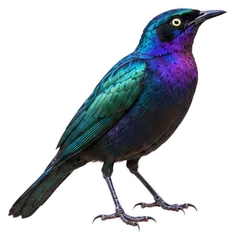 Splendid StarlingLamprotornis splendidus
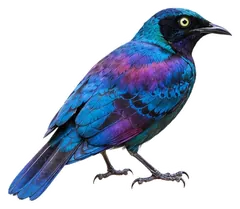 Principe StarlingLamprotornis ornatus
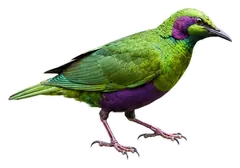 Emerald StarlingLamprotornis iris
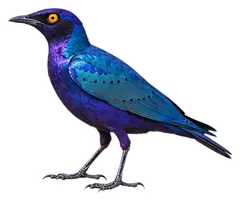 Purple StarlingLamprotornis purpureus
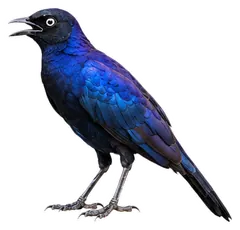 Rüppell's StarlingLamprotornis purpuroptera
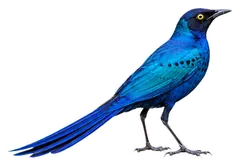 Long-tailed Glossy StarlingLamprotornis caudatus
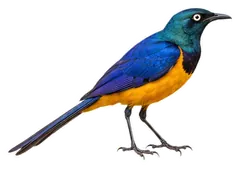 Golden-breasted StarlingLamprotornis regius
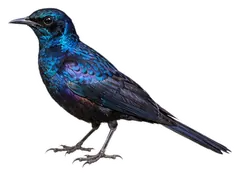 Meves's StarlingLamprotornis mevesii
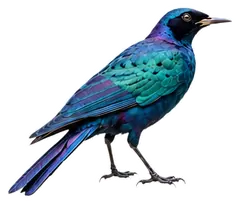 Burchell's StarlingLamprotornis australis
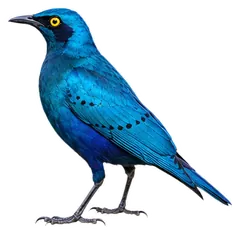
Download illustration
Free to use with credit: “Illustration: Bird Album (birdalbum.com)”. Drawn by AI from a reference photo by matthewkwan. ↗
Heard it but can't see it? Mingji identifies birds by sound and photo, on your phone.
In other languages
- EnglishGreater Blue-eared Starling
- 简体中文蓝耳丽椋鸟
- 繁體中文大藍耳輝椋鳥
- 日本語セイキムクドリ
- DeutschGrünschwanz-Glanzstar
- FrançaisChoucador à oreillons bleus
- EspañolEstornino orejiazul
- Portuguêsestorninho-grande-de-orelha-azul
- ItalianoStorno splendente guanceblu maggiore
- NederlandsGroenstaartglansspreeuw
- РусскийСинеухий спрео
- Svenskablåkindad glansstare
- DanskBlåøret Glansstær
- Polskibłyszczak stalowy