 Bird Album
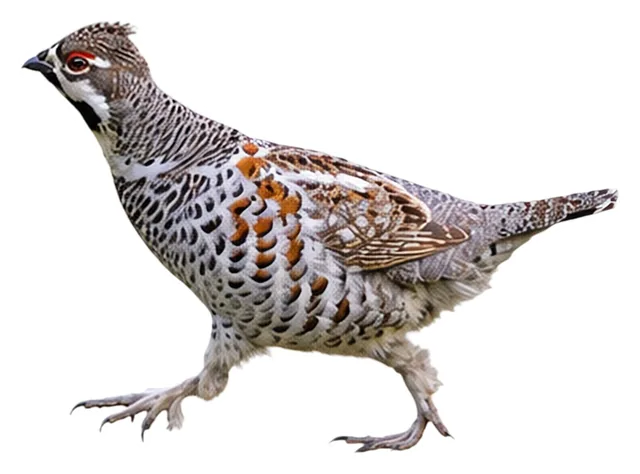
Hazel Grouse
Tetrastes bonasia (Linnaeus, 1758)
≈36 cmLength429 gWeight
This small, rounded grouse is shy and hard to see, and the male has a black throat edged with white.
Busiest months: October · Most records: China, Finland, South Korea
How to identify
Field marks
- Male has a black throat with white edges
- Male has a short crest that it can raise
- Upperparts gray, wings brown, underparts white with chestnut patches
- Tail gray with a black tip in flight
Male, female and young
Female has a shorter crest and lacks black on the throat.
Voice
Male gives a high-pitched “ti-ti-ti-ti-ti”; female gives a clear “tettettettettet”.
Where and when it's recorded
Busiest months: October · Most records: China, Finland, South Korea

Hazel Grouse has been recorded at 46 of the 8,276 birding hotspots we track, in 15 countries and regions.
Records by month Northern Hemisphere
Where it's recorded most
- Urqihan [General Area]China171 records
- CHKO Jeseníky – Červenohorské sedloCzechia29 records
- Namhansanseong Provincial ParkSouth Korea29 records
More places
- Sapieginės miškasLithuania15 records
- Raahe – Aittalahti lintutorniFinland15 records
- Jingxin Wetlands [General Area]China14 records
- Siemianówka Reservoir (IBA PL170)Poland13 records
- Zaan Terelj River, Gorkhi Terelj National Park, MNMongolia11 records
- Gorkhi Terelj National Park, MNMongolia11 records
- Ilmatsalu kalatiigidEstonia8 records
Countries and regions with the most records
eBird records via GBIF up to 2024-12-31. A record means someone listed it; more records partly mean more birders, not more birds.
About
The hazel grouse (Tetrastes bonasia), sometimes called the hazel hen, is one of the smaller members of the grouse tribe of birds. It is a sedentary species, breeding across the Palearctic as far east as Hokkaido, and as far west as central Europe, in dense, damp, mixed coniferous woodland, preferably with some spruce. The bird is sometimes referred to as "rabchick" (from рябчик) by early 20th century English speaking travellers to Russia.
Excerpt from Wikipedia, CC BY-SA 4.0 · authors · Read more on Wikipedia
Questions
How big is the Hazel Grouse?
The Hazel Grouse is about ≈36 cm long and weighs around 429 g.
Where does the Hazel Grouse live?
Its breeding range: Palearctic: northwestern, north-central, northeastern. It is most often recorded in China, Finland and South Korea.
When is the best time to see the Hazel Grouse?
At the hotspots we track, it is recorded most in October (Northern Hemisphere).
Is the Hazel Grouse endangered?
The IUCN Red List classifies the Hazel Grouse as Least Concern.
What does the Hazel Grouse eat?
Main food: Land plants.
What family is the Hazel Grouse in?
It belongs to the family Pheasants & Allies (Phasianidae), order Galliformes.
At a glance
- Length
- ≈36 cm
- Weight
- 429 g
- Habitat
- Woodland
- Diet
- Land plants
- Lifestyle
- Varied
- Migration
- Resident (barely migrates)
- Conservation
- Least Concern
More measurements
- Wing
- 169 mm
- Tail
- 118 mm
- Bill
- 22 mm
- Tarsus
- 35 mm
Averages from the AVONET dataset; length from field guides where available.
Range
Palearctic: northwestern, north-central, northeastern
Breeding range, IOC World Bird List 15.2
Subspecies · 1
- Tetrastes bonasia amurensis ne China to n Korean Pen.
Classification
- Order
- Galliformes
- Family
- Pheasants & Allies Phasianidae
- Genus
- Tetrastes
Other birds in the genus Tetrastes
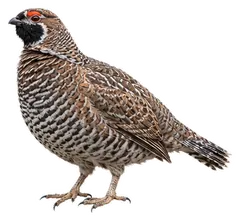 Chinese GrouseTetrastes sewerzowi
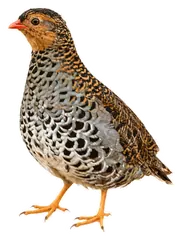 Udzungwa Forest PartridgeXenoperdix udzungwensis
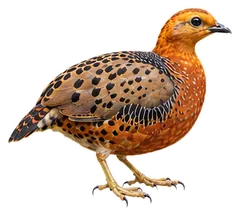 Ferruginous PartridgeCaloperdix oculeus
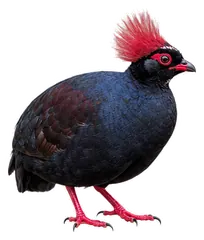 Crested PartridgeRollulus rouloul
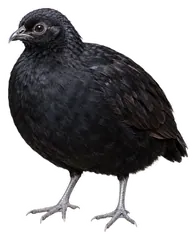 Black PartridgeMelanoperdix niger
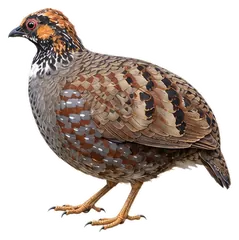 Hill PartridgeArborophila torqueola
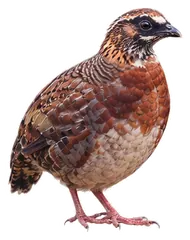 Sichuan PartridgeArborophila rufipectus
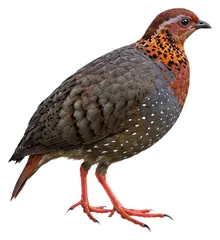 Chestnut-breasted PartridgeArborophila mandellii
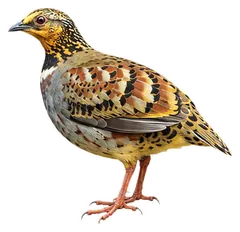 White-necklaced PartridgeArborophila gingica
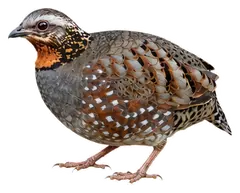 Rufous-throated PartridgeArborophila rufogularis
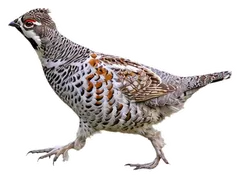
Download illustration
Free to use with credit: “Illustration: Bird Album (birdalbum.com)”. Drawn by AI from a reference photo by Денис Жбир. ↗
Heard it but can't see it? Mingji identifies birds by sound and photo, on your phone.