 Bird Album
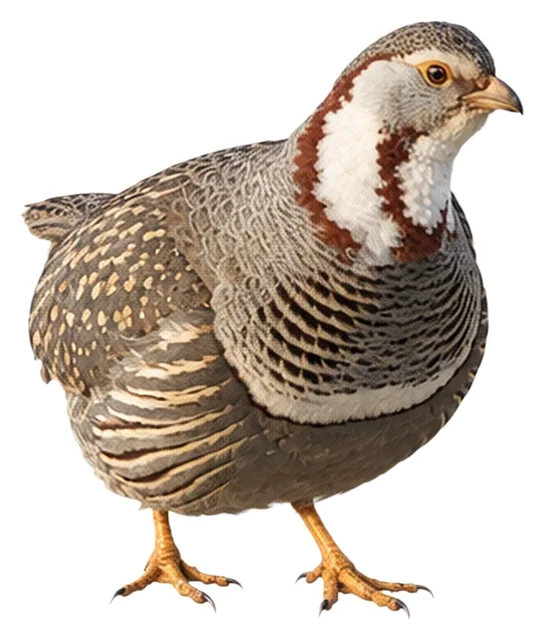
Himalayan Snowcock
Tetraogallus himalayensis Gray, GR, 1843
55–74 cmLength2.4 kgWeight
This large gray bird has a white throat with chestnut cheek stripes and yellow legs and feet.
Busiest months: May · Most records: Kazakhstan, Kyrgyzstan, China
Looks like Tibetan Snowcock
How to identify
Field marks
- White throat bordered on both sides by chestnut moustachial stripes
- Broad chestnut band through the eye and ear, forming a collar
- Legs and feet and bare skin around the eye yellow
- Primaries white with black tips in flight
Male, female and young
Sexes have the same plumage; female smaller and lacks the male's large tarsal spurs.
Voice
Loud three-part whistle with a rising pitch; also gives thin, rising flute-like notes.
Similar species
Where and when it's recorded
Busiest months: May · Most records: Kazakhstan, Kyrgyzstan, China

Himalayan Snowcock has been recorded at 16 of the 8,276 birding hotspots we track, in 5 countries and regions.
Records by month Northern Hemisphere
Where it's recorded most
- Ile Alatau NP – Big Almaty LakeKazakhstan111 records
- Ile-Alatau NP – Kosmos StationKazakhstan92 records
- Ile-Alatau NP – Tien-Shan Astronomical ObservatoryKazakhstan70 records
More places
- Ile-Alatau NPKazakhstan50 records
- [Ala Archa National Park – Ala Archa Hotel area]Kyrgyzstan19 records
- 3850 ) [Arabelskye syrty (3850 m)]Kyrgyzstan13 records
- Gyirong – Holy Lake & Mountain PassChina10 records
- GyirongChina4 records
- West Aspen ValleyChina2 records
- [Iskanderkul Lake]Tajikistan1 record
Countries and regions with the most records
eBird records via GBIF up to 2024-12-31. A record means someone listed it; more records partly mean more birders, not more birds.
About
The Himalayan snowcock (Tetraogallus himalayensis) is a snowcock in the pheasant family Phasianidae found across the Himalayan ranges and parts of the adjoining Pamir range of Asia. It is found on alpine pastures and on steep rocky cliffs where they will dive down the hill slopes to escape. It overlaps with the slightly smaller Tibetan snowcock in parts of its wide range.
Excerpt from Wikipedia, CC BY-SA 4.0 · authors · Read more on Wikipedia
Questions
How big is the Himalayan Snowcock?
The Himalayan Snowcock is about 55–74 cm long and weighs around 2.4 kg.
Where does the Himalayan Snowcock live?
Its breeding range: Palearctic: Himalayas. It is most often recorded in Kazakhstan, Kyrgyzstan and China.
When is the best time to see the Himalayan Snowcock?
At the hotspots we track, it is recorded most in May (Northern Hemisphere).
Is the Himalayan Snowcock endangered?
The IUCN Red List classifies the Himalayan Snowcock as Least Concern.
What does the Himalayan Snowcock eat?
Main food: Land plants.
What family is the Himalayan Snowcock in?
It belongs to the family Pheasants & Allies (Phasianidae), order Galliformes.
At a glance
- Length
- 55–74 cm
- Weight
- 2.4 kg
- Habitat
- Grassland
- Diet
- Land plants
- Lifestyle
- Active on the ground
- Migration
- Resident (barely migrates)
- Conservation
- Least Concern
More measurements
- Wing
- 280 mm
- Tail
- 153 mm
- Bill
- 38 mm
- Tarsus
- 66 mm
Averages from the AVONET dataset; length from field guides where available.
Range
Palearctic: Himalayas
Breeding range, IOC World Bird List 15.2
Subspecies · 4
- Tetraogallus himalayensis sauricus Tarbagatai Mts. (e Kazakhstan and w China)
- Tetraogallus himalayensis sewerzowi Tien Shan Mts. (e Kazakhstan and w China)
- Tetraogallus himalayensis grombczewskii s Xinjiang (w China) and n Tibet
- Tetraogallus himalayensis koslowi sw Xinjiang, n Qinghai and sw Gansu (w, sw China)
Classification
- Order
- Galliformes
- Family
- Pheasants & Allies Phasianidae
- Genus
- Tetraogallus
Other birds in the genus Tetraogallus
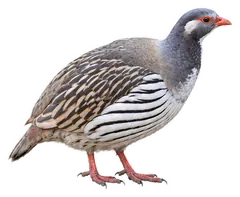 Tibetan SnowcockTetraogallus tibetanus
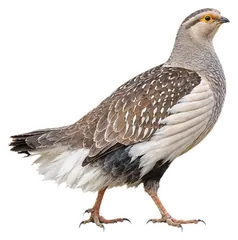 Altai SnowcockTetraogallus altaicus
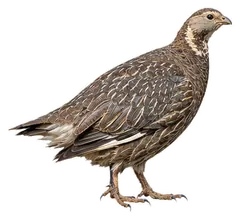 Caucasian SnowcockTetraogallus caucasicus
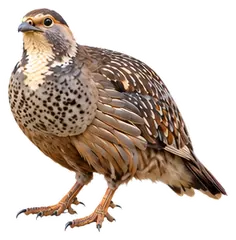 Caspian SnowcockTetraogallus caspius
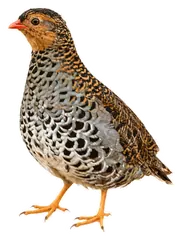 Udzungwa Forest PartridgeXenoperdix udzungwensis
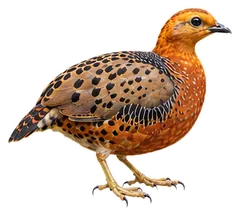 Ferruginous PartridgeCaloperdix oculeus
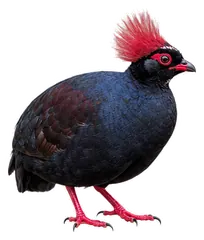 Crested PartridgeRollulus rouloul
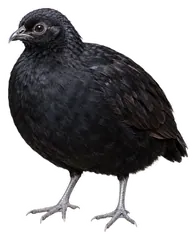 Black PartridgeMelanoperdix niger
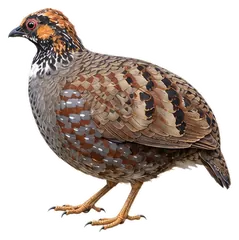 Hill PartridgeArborophila torqueola
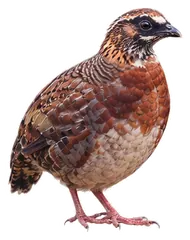 Sichuan PartridgeArborophila rufipectus
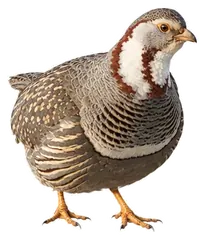
Download illustration
Free to use with credit: “Illustration: Bird Album (birdalbum.com)”. Drawn by AI from a reference photo by Plateau Perspectives. ↗
Heard it but can't see it? Mingji identifies birds by sound and photo, on your phone.
In other languages
- EnglishHimalayan Snowcock
- 简体中文暗腹雪鸡
- 繁體中文暗腹雪雞
- 日本語ヒマラヤセッケイ
- DeutschHimalajakönigshuhn
- FrançaisTétraogalle de l’Himalaya
- EspañolPerdigallo himalayo
- Portuguêsgalo-das-neves-do-himalaia
- ItalianoTetraogallo dell'Himalaya
- NederlandsHimalayaberghoen
- РусскийГималайский улар
- Svenskahimalayasnöhöna
- DanskHimalaya Kongehøne
- Polskiułar himalajski