 Bird Album
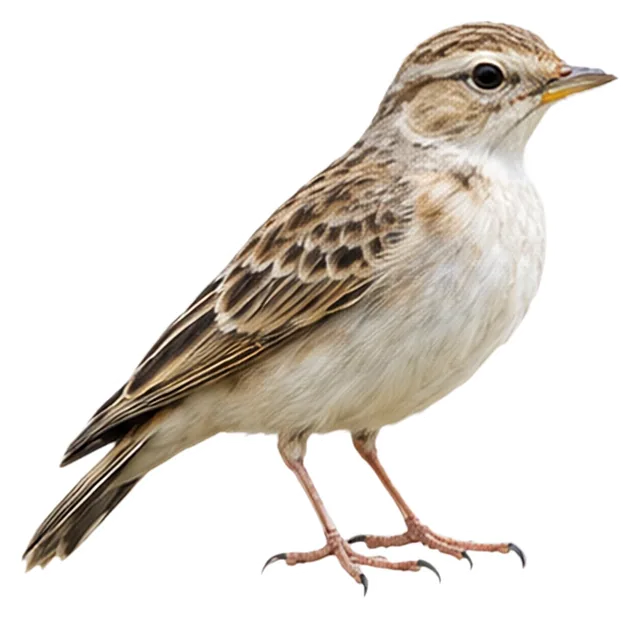
Hume's Short-toed Lark
Calandrella acutirostris Hume, 1873
≈15 cmLength20 gWeight
It is a small lark, duller than Greater Short-toed Lark, with rufous-brown cheeks and a white supercilium.
Busiest months: May and July · Most records: China, Bangladesh, India
Looks like Greater Short-toed Lark
How to identify
Field marks
- Rufous-brown cheeks and white supercilium
- Dark markings on the neck; breast tinged buff-gray, without streaks
- Brown crown with faint, indistinct streaks
- Gray-brown or sandy-brown upperparts with dark streaks
Male, female and young
Sexes similar.
Voice
A sharp “trree”, and a rolling “drreep”.
Similar species
Where and when it's recorded
Busiest months: May and July · Most records: China, Bangladesh, India

Hume's Short-toed Lark has been recorded at 71 of the 8,276 birding hotspots we track, in 7 countries and regions.
Records by month Northern Hemisphere
Where it's recorded most
- Xiaobeihu Freshwater MarshChina73 records
- Padma River & CharsBangladesh70 records
- Takhta-Karacha mountain passUzbekistan44 records
More places
- ChanduIndia25 records
- Nalsarovar OutskirtsIndia20 records
- Bakor Ali / BakharaliBangladesh16 records
- Ganzihe Estuary WetlandsChina14 records
- Qinghai Lake – Eastern EndChina12 records
- HeimaheChina12 records
- Chaka Salt LakeChina11 records
Countries and regions with the most records
eBird records via GBIF up to 2024-12-31. A record means someone listed it; more records partly mean more birders, not more birds.
About
Hume's short-toed lark (Calandrella acutirostris) is a species of lark in the family Alaudidae. It is found in south-central Asia from Iran and Kazakhstan to China.
Excerpt from Wikipedia, CC BY-SA 4.0 · authors · Read more on Wikipedia
Questions
How big is the Hume's Short-toed Lark?
The Hume's Short-toed Lark is about ≈15 cm long and weighs around 20 g.
Where does the Hume's Short-toed Lark live?
Its breeding range: Palearctic: south-central. It is most often recorded in China, Bangladesh and India.
When is the best time to see the Hume's Short-toed Lark?
At the hotspots we track, it is recorded most in May and July (Northern Hemisphere).
Is the Hume's Short-toed Lark endangered?
The IUCN Red List classifies the Hume's Short-toed Lark as Least Concern.
What does the Hume's Short-toed Lark eat?
Main food: Omnivore.
What family is the Hume's Short-toed Lark in?
It belongs to the family Larks (Alaudidae), order Passerines (Passeriformes).
At a glance
- Length
- ≈15 cm
- Weight
- 20 g
- Habitat
- Grassland
- Diet
- Omnivore
- Lifestyle
- Active on the ground
- Migration
- Migratory
- Conservation
- Least Concern
More measurements
- Wing
- 89 mm
- Tail
- 64 mm
- Bill
- 13 mm
- Tarsus
- 19 mm
Averages from the AVONET dataset; length from field guides where available.
Range
Palearctic: south-central
Breeding range, IOC World Bird List 15.2
Subspecies · 2
- Calandrella acutirostris acutirostris ne Iran and e Kazakhstan to w China | non-breeding: to sw Asia and India
- Calandrella acutirostris tibetana ne Pakistan to Tibetan Plateau | non-breeding: s Asia
Classification
- Order
- Passerines Passeriformes
- Family
- Larks Alaudidae
- Genus
- Calandrella
Other birds in the genus Calandrella
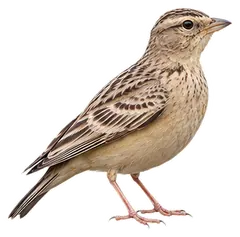 Mongolian Short-toed LarkCalandrella dukhunensis
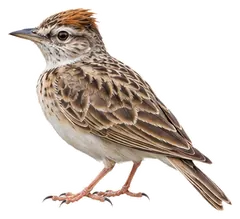 Blanford's LarkCalandrella blanfordi
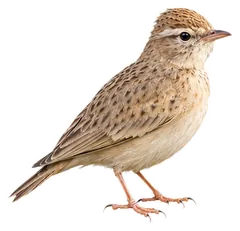 Rufous-capped LarkCalandrella eremica
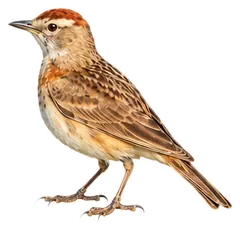 Red-capped LarkCalandrella cinerea
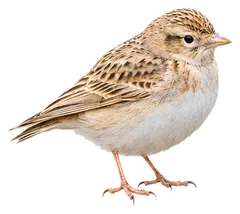 Greater Short-toed LarkCalandrella brachydactyla
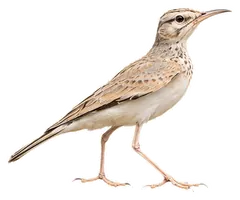 Greater Hoopoe-LarkAlaemon alaudipes
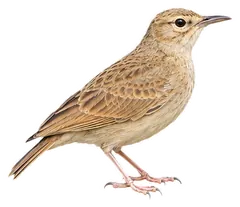 Lesser Hoopoe-LarkAlaemon hamertoni
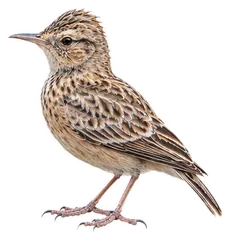 Beesley's LarkChersomanes beesleyi
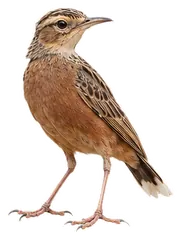 Spike-heeled LarkChersomanes albofasciata
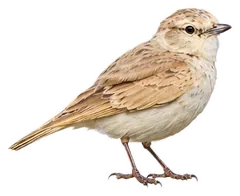 Gray's LarkAmmomanopsis grayi
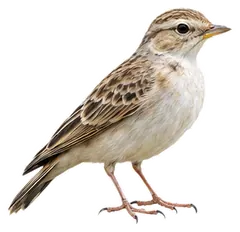
Download illustration
Free to use with credit: “Illustration: Bird Album (birdalbum.com)”. Drawn by AI from a reference photo by Rajib Maulick. ↗
Heard it but can't see it? Mingji identifies birds by sound and photo, on your phone.
In other languages
- EnglishHume's Short-toed Lark
- 简体中文细嘴短趾百灵
- 繁體中文細嘴短趾百靈
- 日本語ヒマラヤコヒバリ
- DeutschTibetlerche
- FrançaisAlouette de Hume
- EspañolTerrera de Hume
- Portuguêscalhandrinha-das-estepes
- ItalianoCalandrella di Hume
- NederlandsTibetaanse Leeuwerik
- РусскийТонкоклювый жаворонок
- Svenskatibetansk korttålärka
- DanskSpidsnæbbet Lærke
- Polskiskowrończyk tybetański