 Bird Album
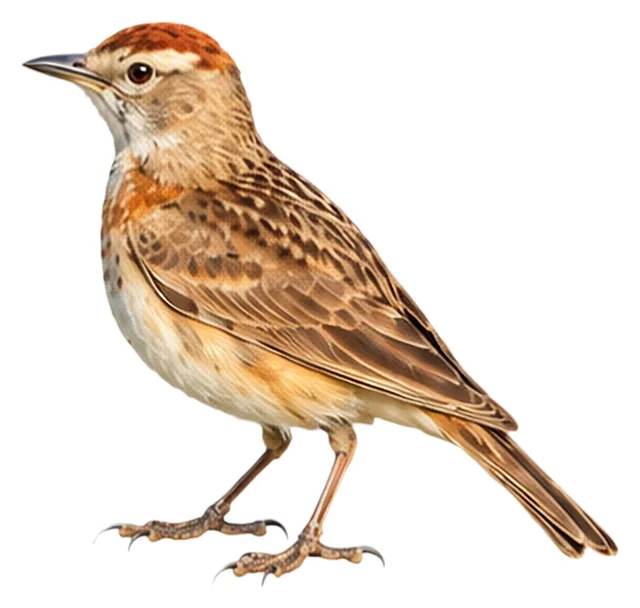
Red-capped Lark
Calandrella cinerea (Gmelin, JF, 1789)
14–15 cmLength24 gWeight
The red-capped lark (Calandrella cinerea) is a small passerine bird that breeds in the highlands of eastern Africa southwards from Ethiopia and Somaliland.
Busiest months: October–November · Most records: Kenya, South Africa, Tanzania
Where and when it's recorded

Red-capped Lark has been recorded at 182 of the 8,171 birding hotspots we track, in 16 countries and regions.
Records by month Southern Hemisphere
Where it's recorded most
- Ngorongoro Conservation Area – Ngorongoro CraterTanzania849 records
- Amboseli NPKenya527 records
- Nairobi NPKenya442 records
More places
- Engikaret Lark PlainsTanzania331 records
- Strandfontein WTPSouth Africa265 records
- Lake Nakuru NPKenya253 records
- Wakkerstroom areaSouth Africa249 records
- Maasai Mara NRKenya234 records
- Ol Pejeta ConservancyKenya207 records
- Maasai Mara NR – Mara TriangleKenya189 records
Countries and regions with the most records
eBird records via GBIF up to 2024-12-31. A record means someone listed it; more records partly mean more birders, not more birds.
About
The red-capped lark (Calandrella cinerea) is a small passerine bird that breeds in the highlands of eastern Africa southwards from Ethiopia and Somaliland. In the south, its range stretches across the continent to Angola and south to the Cape in South Africa.
Excerpt from Wikipedia, CC BY-SA 4.0 · authors · Read more on Wikipedia
Questions
How big is the Red-capped Lark?
The Red-capped Lark is about 14–15 cm long and weighs around 24 g.
Where does the Red-capped Lark live?
Its breeding range: Africa: western, eastern, southern. It is most often recorded in Kenya, South Africa and Tanzania.
When is the best time to see the Red-capped Lark?
At the hotspots we track, it is recorded most in October and November (Southern Hemisphere).
Is the Red-capped Lark endangered?
The IUCN Red List classifies the Red-capped Lark as Least Concern.
What does the Red-capped Lark eat?
Main food: Seeds.
What family is the Red-capped Lark in?
It belongs to the family Larks (Alaudidae), order Passerines (Passeriformes).
At a glance
- Length
- 14–15 cm
- Weight
- 24 g
- Habitat
- Grassland
- Diet
- Seeds
- Lifestyle
- Active on the ground
- Migration
- Partial migrant
- Conservation
- Least Concern
More measurements
- Wing
- 91 mm
- Tail
- 64 mm
- Bill
- 14 mm
- Tarsus
- 20 mm
Averages from the AVONET dataset; length from field guides where available.
Range
Africa: western, eastern, southern
Breeding range, IOC World Bird List 15.2
Classification
- Order
- Passerines Passeriformes
- Family
- Larks Alaudidae
- Genus
- Calandrella
Other birds in the genus Calandrella
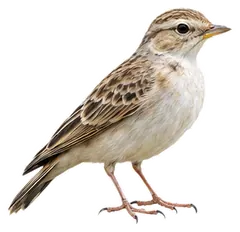 Hume's Short-toed LarkCalandrella acutirostris
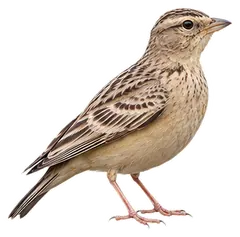 Mongolian Short-toed LarkCalandrella dukhunensis
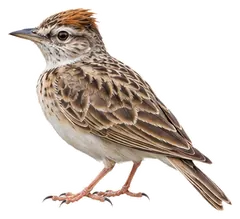 Blanford's LarkCalandrella blanfordi
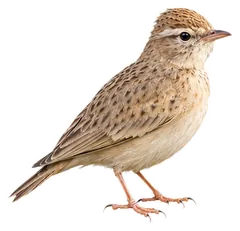 Rufous-capped LarkCalandrella eremica
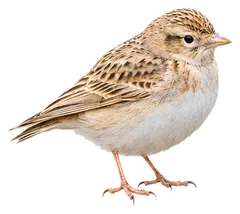 Greater Short-toed LarkCalandrella brachydactyla
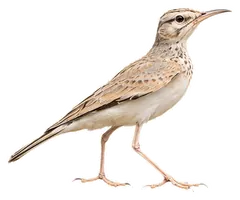 Greater Hoopoe-LarkAlaemon alaudipes
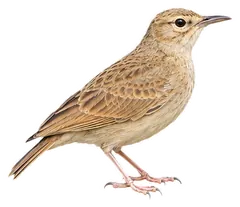 Lesser Hoopoe-LarkAlaemon hamertoni
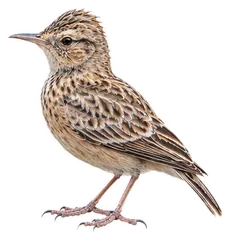 Beesley's LarkChersomanes beesleyi
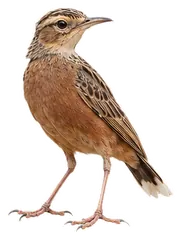 Spike-heeled LarkChersomanes albofasciata
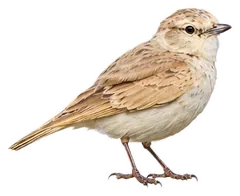 Gray's LarkAmmomanopsis grayi
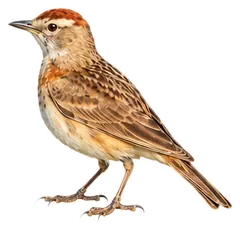
Download illustration
Free to use with credit: “Illustration: Bird Album (birdalbum.com)”. Drawn by AI from a reference photo by Ian White. ↗
Heard it but can't see it? Mingji identifies birds by sound and photo, on your phone.
In other languages
- EnglishRed-capped Lark
- 简体中文红顶短趾百灵
- 繁體中文短趾百靈
- 日本語アフリカヒメコウテンシ
- DeutschRotkappenlerche
- FrançaisAlouette cendrille
- EspañolTerrera capirotada
- Portuguêscalhandrinha-de-barrete-vermelho
- ItalianoCalandrella capirossa
- NederlandsRoodkapleeuwerik
- РусскийКрасноголовый жаворонок
- Svenskarödkronad lärka
- DanskRødisset Lærke
- Polskiskowrończyk rdzawołbisty