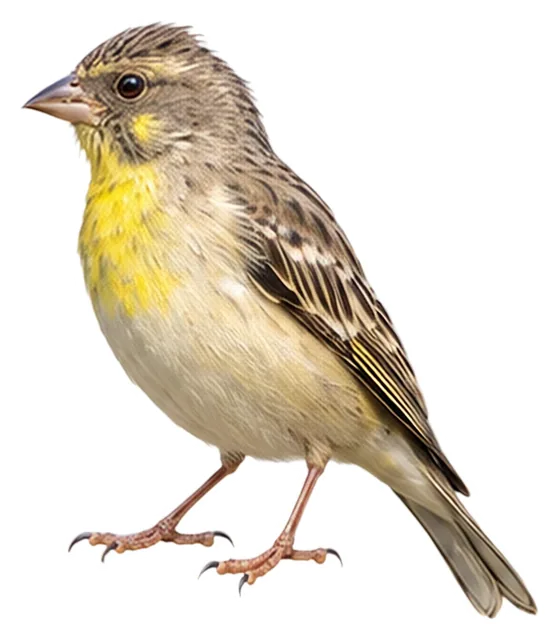
Lemon-breasted Canary
Crithagra citrinipectus (Clancey & Lawson, 1960)
≈11 cmLength11 gWeight
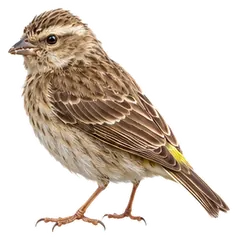
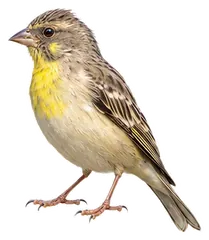
Only the male has a yellow breast; the female is mainly creamy white and brown.
Busiest months: November · Most records: South Africa, Mozambique, China
How to identify
Field marks
- Male has a yellow breast
- Male has yellowish-white patches on the cheeks and 2 yellowish-white spots above the bill
- Both sexes have a conspicuously yellow rump
- Bicolored bill, dark above and pale below
Male, female and young
Only the male has a yellow breast; the female is mainly creamy white and brown, with indistinct head markings.
Voice
In the breeding season, the male gives a short, rapid, rather tuneless song of rising and falling twitters.
Where and when it's recorded
Busiest months: November · Most records: South Africa, Mozambique, China

Lemon-breasted Canary has been recorded at 25 of the 8,276 birding hotspots we track, in 4 countries and regions.
Records by month Southern Hemisphere
Where it's recorded most
- Bonamanzi GRSouth Africa136 records
- Phinda GR – AirfieldSouth Africa106 records
- Mpempe PanSouth Africa101 records
More places
- Tembe Elephant ParkSouth Africa55 records
- Mkhuze GRSouth Africa50 records
- San Sebastian Peninsula – Land – please consider using different hotspots for birding on the sandbars and islandsMozambique47 records
- Muzi PanSouth Africa27 records
- Kruger NP – Pafuri/S63 areaSouth Africa25 records
- Dunes de DovelaMozambique18 records
- iSimangaliso WP – Eastern ShoresSouth Africa15 records
Countries and regions with the most records
eBird records via GBIF up to 2024-12-31. A record means someone listed it; more records partly mean more birders, not more birds.
About
The lemon-breasted canary (Crithagra citrinipectus), also known as the lemon-breasted seedeater, is a species of finch in the family Fringillidae. It is found in Malawi, Mozambique, South Africa, Zambia, and Zimbabwe. Its natural habitats are dry savannah, subtropical or tropical dry shrubland, and rural gardens.
Excerpt from Wikipedia, CC BY-SA 4.0 · authors · Read more on Wikipedia
Questions
How big is the Lemon-breasted Canary?
The Lemon-breasted Canary is about ≈11 cm long and weighs around 11 g.
Where does the Lemon-breasted Canary live?
Its breeding range: Africa: southern Malawi to eastern South Africa. It is most often recorded in South Africa, Mozambique and China.
When is the best time to see the Lemon-breasted Canary?
At the hotspots we track, it is recorded most in November (Southern Hemisphere).
Is the Lemon-breasted Canary endangered?
The IUCN Red List classifies the Lemon-breasted Canary as Least Concern.
What does the Lemon-breasted Canary eat?
Main food: Seeds.
What family is the Lemon-breasted Canary in?
It belongs to the family Finches, Euphonias (Fringillidae), order Passerines (Passeriformes).
At a glance
- Length
- ≈11 cm
- Weight
- 11 g
- Habitat
- Woodland
- Diet
- Seeds
- Lifestyle
- Active on the ground
- Migration
- Resident (barely migrates)
- Conservation
- Least Concern
More measurements
- Wing
- 62 mm
- Tail
- 38 mm
- Bill
- 9 mm
- Tarsus
- 14 mm
Averages from the AVONET dataset; length from field guides where available.
Range
Africa: southern Malawi to eastern South Africa
Breeding range, IOC World Bird List 15.2
Classification
- Order
- Passerines Passeriformes
- Family
- Finches, Euphonias Fringillidae
- Genus
- Crithagra
Other birds in the genus Crithagra
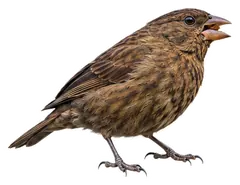 Principe SeedeaterCrithagra rufobrunnea
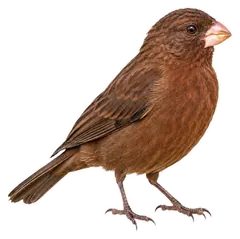 Sao Tome GrosbeakCrithagra concolor
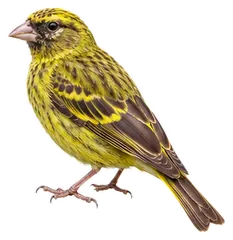 African CitrilCrithagra citrinelloides
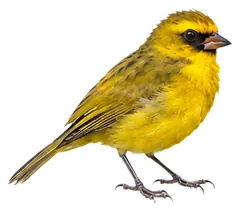 Western CitrilCrithagra frontalis
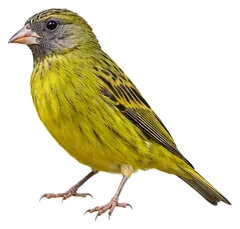 Southern CitrilCrithagra hyposticta
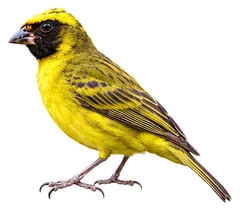 Black-faced CanaryCrithagra capistrata
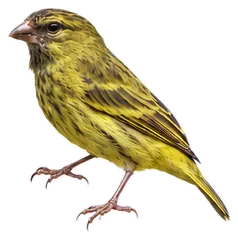 Papyrus CanaryCrithagra koliensis
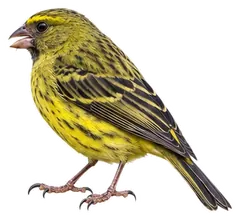 Forest CanaryCrithagra scotops
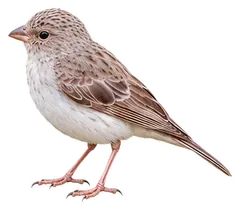 White-rumped SeedeaterCrithagra leucopygia
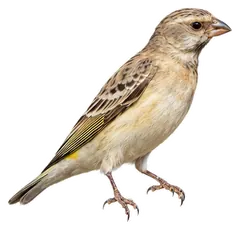 Black-throated CanaryCrithagra atrogularis
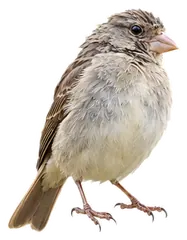 Yellow-rumped SeedeaterCrithagra xanthopygia
 Reichenow's SeedeaterCrithagra reichenowi
Download illustration
Free to use with credit: “Illustration: Bird Album (birdalbum.com)”. Drawn by AI from a reference photo by Niall Perrins. ↗
Heard it but can't see it? Mingji identifies birds by sound and photo, on your phone.
In other languages
- EnglishLemon-breasted Canary
- 简体中文黄胸丝雀
- 繁體中文檸黃胸絲雀
- 日本語キムネカナリア
- DeutschGelbbrustgirlitz
- FrançaisSerin à poitrine citron
- EspañolSerín pechilimón
- Portuguêscanário-de-peito-limão
- ItalianoBeccasemi pettolimone
- NederlandsGeelborstkanarie
- РусскийЛимонногрудый канареечник
- Svenskacitronbröstad siska
- DanskCitronbrystet Sisken
- Polskiafrokulczyk żółtopierśny