 Bird Album
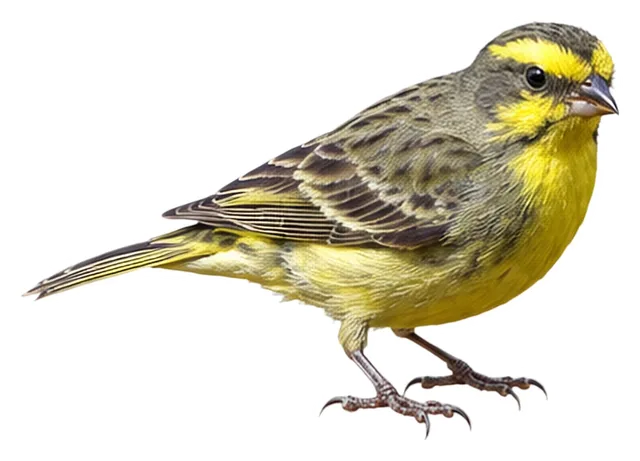
Yellow-fronted Canary
Crithagra mozambica (Müller, PLS, 1776)
11–13 cmLength12 gWeight
This small finch has a yellow face and belly, a gray crown and black moustachial stripes, and likes to feed on seeds in flocks.
Busiest months: October–November · Most records: South Africa, Uganda, Kenya
How to identify
Field marks
- Head yellow, with gray crown and nape
- Black moustachial stripes
- Male has yellow underparts and rump
- Back green, wings and tail rufous
Male, female and young
Female has a less distinct head pattern and a duller belly; juvenile is grayer than the female, especially on the head.
Voice
A humming phrase sounding like “zee-zeree-chereeo”.
Where and when it's recorded

Yellow-fronted Canary has been recorded at 499 of the 8,171 birding hotspots we track, in 43 countries and regions.
Records by month Southern Hemisphere
Where it's recorded most
- Kruger NP – Skukuza CampSouth Africa811 records
- Mkhuze GRSouth Africa606 records
- Maasai Mara NR – Mara TriangleKenya467 records
More places
- Lake Mburo NPUganda336 records
- Maasai Mara NRKenya318 records
- Nyandungu Urban Wetland Eco-tourism ParkRwanda314 records
- Mai Po Nature ReserveHong Kong (China)313 records
- Macaneta – Wetland, dune forests and coastMozambique310 records
- Lai Chi KokHong Kong (China)299 records
- Phinda GR – AirfieldSouth Africa294 records
Countries and regions with the most records
eBird records via GBIF up to 2024-12-31. A record means someone listed it; more records partly mean more birders, not more birds.
About
The yellow-fronted canary (Crithagra mozambica) is a small passerine bird in the finch family. It is sometimes known in aviculture as the green singing finch or the green singer.
Excerpt from Wikipedia, CC BY-SA 4.0 · authors · Read more on Wikipedia
Questions
How big is the Yellow-fronted Canary?
The Yellow-fronted Canary is about 11–13 cm long and weighs around 12 g.
Where does the Yellow-fronted Canary live?
Its breeding range: Africa: western, central, eastern, southern. It is most often recorded in South Africa, Uganda and Kenya.
When is the best time to see the Yellow-fronted Canary?
At the hotspots we track, it is recorded most in October and November (Southern Hemisphere).
Is the Yellow-fronted Canary endangered?
The IUCN Red List classifies the Yellow-fronted Canary as Least Concern.
What does the Yellow-fronted Canary eat?
Main food: Omnivore.
What family is the Yellow-fronted Canary in?
It belongs to the family Finches, Euphonias (Fringillidae), order Passerines (Passeriformes).
At a glance
- Length
- 11–13 cm
- Weight
- 12 g
- Habitat
- Shrubland
- Diet
- Omnivore
- Lifestyle
- Varied
- Migration
- Resident (barely migrates)
- Conservation
- Least Concern
More measurements
- Wing
- 68 mm
- Tail
- 43 mm
- Bill
- 10 mm
- Tarsus
- 14 mm
Averages from the AVONET dataset; length from field guides where available.
Range
Africa: western, central, eastern, southern
Breeding range, IOC World Bird List 15.2
Classification
- Order
- Passerines Passeriformes
- Family
- Finches, Euphonias Fringillidae
- Genus
- Crithagra
Other birds in the genus Crithagra
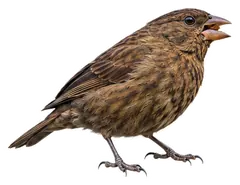 Principe SeedeaterCrithagra rufobrunnea
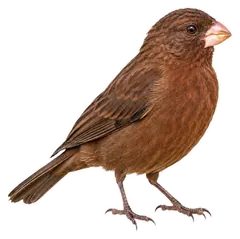 Sao Tome GrosbeakCrithagra concolor
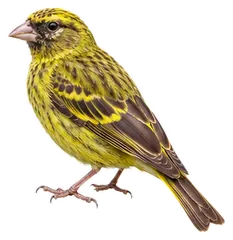 African CitrilCrithagra citrinelloides
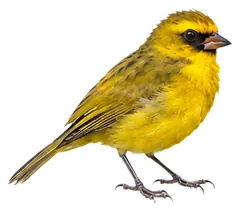 Western CitrilCrithagra frontalis
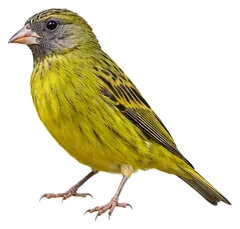 Southern CitrilCrithagra hyposticta
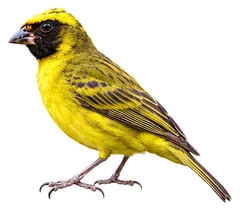 Black-faced CanaryCrithagra capistrata
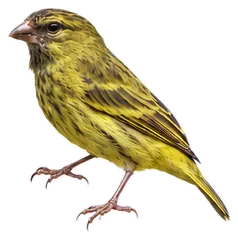 Papyrus CanaryCrithagra koliensis
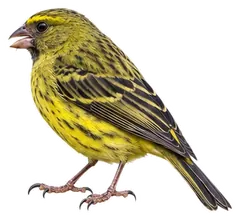 Forest CanaryCrithagra scotops
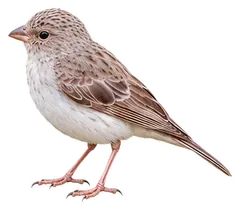 White-rumped SeedeaterCrithagra leucopygia
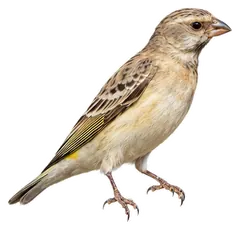 Black-throated CanaryCrithagra atrogularis
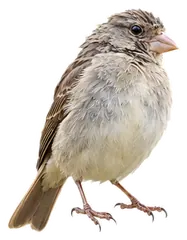 Yellow-rumped SeedeaterCrithagra xanthopygia
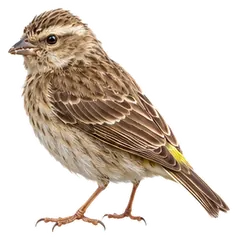 Reichenow's SeedeaterCrithagra reichenowi
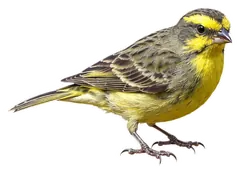
Download illustration
Free to use with credit: “Illustration: Bird Album (birdalbum.com)”. Drawn by AI from a reference photo by Maryse. ↗
Heard it but can't see it? Mingji identifies birds by sound and photo, on your phone.
In other languages
- EnglishYellow-fronted Canary
- 简体中文黄额丝雀
- 繁體中文黃額絲雀
- 日本語キマユカナリア
- DeutschMosambikgirlitz
- FrançaisSerin du Mozambique
- EspañolSerín frentiamarillo
- Portuguêscanário-de-moçambique
- ItalianoCanarino frontegialla
- NederlandsMozambiquesijs
- РусскийМозамбикский канареечник
- Svenskasavannsiska
- DanskMozambique Sisken
- Polskiafrokulczyk mozambijski