 Bird Album
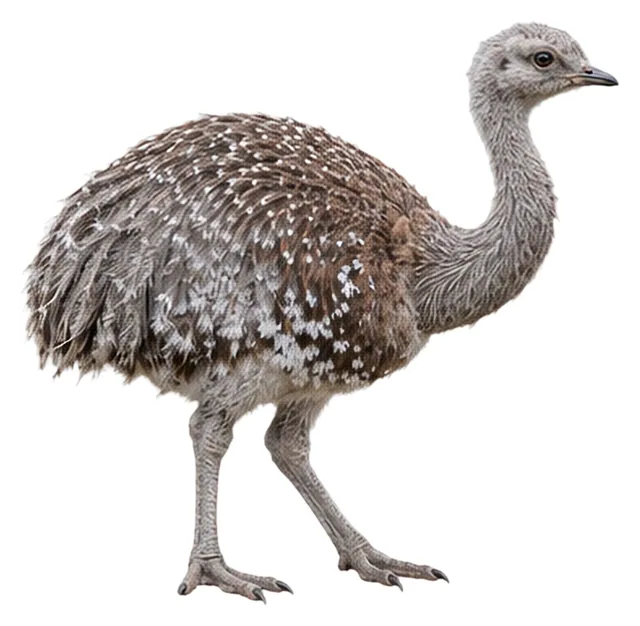
Lesser Rhea
Rhea pennata d'Orbigny, 1837
100 cmLength24 kgWeight
Darwin's rhea or the lesser rhea (Rhea pennata) is a large flightless bird, the smaller of the two extant species of rheas.
Busiest months: February and November · Most records: Chile, Argentina
Where and when it's recorded
Busiest months: February and November · Most records: Chile, Argentina

Lesser Rhea has been recorded at 10 of the 8,276 birding hotspots we track, in 2 countries and regions.
Records by month Southern Hemisphere
Where it's recorded most
- Laguna Los PalosChile403 records
- Buque QuemadoChile123 records
- PN Lauca – Las CuevasChile64 records
More places
- PN Lauca – Lago ChungaráChile59 records
- Punta LoyolaArgentina41 records
- Reserva Natural Municipal Laguna NimezArgentina13 records
- Reserva Provincial de Aves PlayerasArgentina8 records
- PutreChile7 records
- YaviArgentina5 records
- Humedal Tres PuentesChile4 records
Countries and regions with the most records
eBird records via GBIF up to 2024-12-31. A record means someone listed it; more records partly mean more birders, not more birds.
About
Darwin's rhea or the lesser rhea (Rhea pennata) is a large flightless bird, the smaller of the two extant species of rheas. It is found in the Altiplano and Patagonia in South America.
Excerpt from Wikipedia, CC BY-SA 4.0 · authors · Read more on Wikipedia
Questions
How big is the Lesser Rhea?
The Lesser Rhea is about 100 cm long and weighs around 24 kg.
Where does the Lesser Rhea live?
Its breeding range: South America: Southern Cone. It is most often recorded in Chile and Argentina.
When is the best time to see the Lesser Rhea?
At the hotspots we track, it is recorded most in February and November (Southern Hemisphere).
Is the Lesser Rhea endangered?
The IUCN Red List classifies the Lesser Rhea as Least Concern.
What does the Lesser Rhea eat?
Main food: Omnivore.
What family is the Lesser Rhea in?
It belongs to the family Rheas (Rheidae), order Rheiformes.
At a glance
- Length
- 100 cm
- Weight
- 24 kg
- Habitat
- Grassland
- Diet
- Omnivore
- Lifestyle
- Active on the ground
- Migration
- Resident (barely migrates)
- Conservation
- Least Concern
More measurements
- Wing
- 625 mm
- Tail
- 58 mm
- Bill
- 70 mm
- Tarsus
- 293 mm
Averages from the AVONET dataset; length from field guides where available.
Range
South America: Southern Cone
Breeding range, IOC World Bird List 15.2
Classification
- Order
- Rheiformes
- Family
- Rheas Rheidae
- Genus
- Rhea
Other birds in the genus Rhea
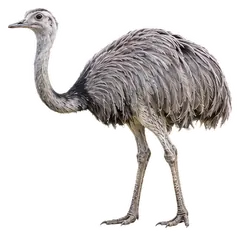 Greater RheaRhea americana
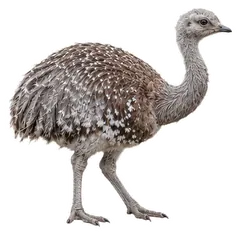
Download illustration
Free to use with credit: “Illustration: Bird Album (birdalbum.com)”. Drawn by AI from a reference photo by Christoph Moning. ↗
Heard it but can't see it? Mingji identifies birds by sound and photo, on your phone.