 Bird Album
Argentina · Santa Cruz Province
Reserva Provincial de Aves Playeras
111 species and 16,659 records in eBird up to 2024-12-31.
Best months: March and September–November, with up to 63 species seen regularly.
Seen here in November
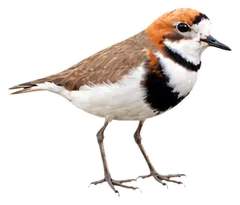 Two-banded PloverAnarhynchus falklandicus
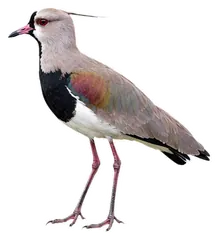 Southern LapwingVanellus chilensis
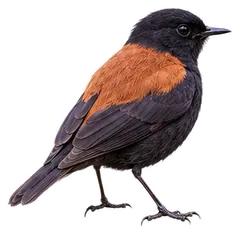 Austral NegritoLessonia rufa
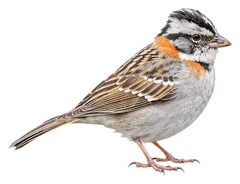 Rufous-collared SparrowZonotrichia capensis
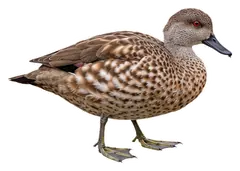 Crested DuckLophonetta specularioides
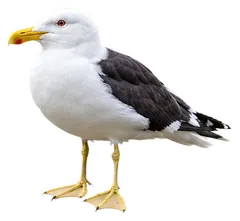 Kelp GullLarus dominicanus
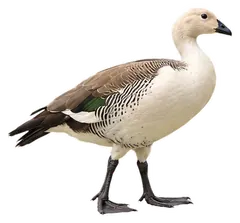 Upland GooseChloephaga picta
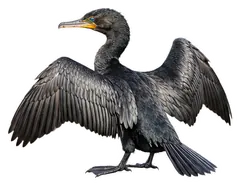 Neotropic CormorantNannopterum brasilianum
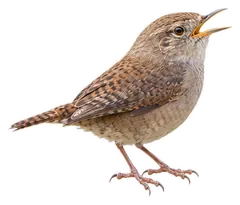 Northern House WrenTroglodytes aedon
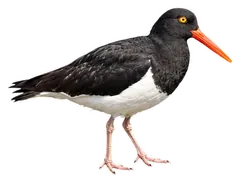 Magellanic OystercatcherHaematopus leucopodus
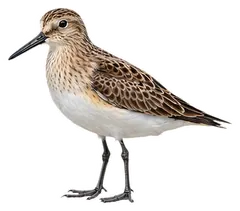 Baird's SandpiperCalidris bairdii
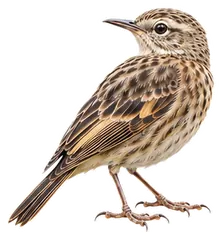 Austral CanasteroAsthenes anthoides
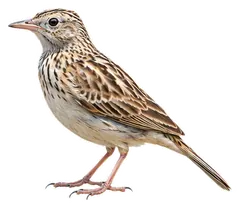 Correndera PipitAnthus correndera
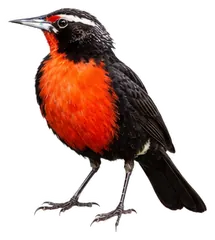 Long-tailed MeadowlarkLeistes loyca
Species seen regularly, by month
Species with 3 or more records in that month, all years combined.
Nearby hotspots
- Centro de Interpretacion Ambiental Estuario del Rio Gallegos7 km94 species
- Punta Loyola11 km131 species
All 111 species recorded here
- Crested Duck Lophonetta specularioides
- Two-banded Plover Anarhynchus falklandicus
- Rufous-collared Sparrow Zonotrichia capensis
- Kelp Gull Larus dominicanus
- Upland Goose Chloephaga picta
- Neotropic Cormorant Nannopterum brasilianum
- Austral Negrito Lessonia rufa
- Northern House Wren Troglodytes aedon
- Magellanic Oystercatcher Haematopus leucopodus
- Baird's Sandpiper Calidris bairdii
- Crested Caracara Caracara plancus
- Austral Canastero Asthenes anthoides
- Southern Lapwing Vanellus chilensis
- Long-tailed Meadowlark Leistes loyca
- Sanderling Calidris alba
- Magellanic Plover Pluvianellus socialis
- Great Grebe Podiceps major
- Correndera Pipit Anthus correndera
- Southern Giant Petrel Macronectes giganteus
- Flying Steamer Duck Tachyeres patachonicus
- Scale-throated Earthcreeper Upucerthia dumetaria
- Black-crowned Night Heron Nycticorax nycticorax
- Least Seedsnipe Thinocorus rumicivorus
- Cinereous Harrier Circus cinereus
- Common Miner Geositta cunicularia
- Chilean Flamingo Phoenicopterus chilensis
- Imperial Shag Leucocarbo atriceps
- Chimango Caracara Daptrius chimango
- Brown-hooded Gull Chroicocephalus maculipennis
- Chilean Swallow Tachycineta leucopyga
- Chilean Skua Stercorarius chilensis
- Tawny-throated Dotterel Oreopholus ruficollis
- Rufous-chested Dotterel Zonibyx modestus
- Yellow-billed Teal Anas flavirostris
- Patagonian Tinamou Tinamotis ingoufi
- Greater Yellowlegs Tringa melanoleuca
- Aplomado Falcon Falco femoralis
- Peregrine Falcon Falco peregrinus
- Hudsonian Godwit Limosa haemastica
- South American Tern Sterna hirundinacea
- Black-faced Ibis Theristicus melanopis
- Plain-mantled Tit-Spinetail Leptasthenura aegithaloides
- Red Knot Calidris canutus
- Barn Swallow Hirundo rustica
- Dolphin Gull Leucophaeus scoresbii
- Magellanic Penguin Spheniscus magellanicus
- Blue-and-white Swallow Pygochelidon cyanoleuca
- American Oystercatcher Haematopus palliatus
- American Kestrel Falco sparverius
- Elegant Crested Tinamou Eudromia elegans
- Black-chinned Siskin Spinus barbatus
- Cinnamon-bellied Ground Tyrant Muscisaxicola capistratus
- Snowy Sheathbill Chionis albus
- Patagonian Yellow Finch Sicalis lebruni
- Grey-hooded Sierra Finch Phrygilus gayi
- Yellow-billed Pintail Anas georgica
- Rock Shag Leucocarbo magellanicus
- Blackish Oystercatcher Haematopus ater
- Austral Thrush Turdus falcklandii
- Coscoroba Swan Coscoroba coscoroba
- Buff-winged Cinclodes Cinclodes fuscus
- House Sparrow Passer domesticus
- Eurasian Whimbrel Numenius phaeopus
- Southern Fulmar Fulmarus glacialoides
- American Golden Plover Pluvialis dominica
- Silvery Grebe Podiceps occipitalis
- Magellanic Snipe Gallinago magellanica
- Dark-faced Ground Tyrant Muscisaxicola maclovianus
- Short-eared Owl Asio flammeus
- White-tufted Grebe Rollandia rolland
- Ashy-headed Goose Chloephaga poliocephala
- Eared Dove Zenaida auriculata
- Western Cattle Egret Ardea ibis
- American Cliff Swallow Petrochelidon pyrrhonota
- Chiloe Wigeon Mareca sibilatrix
- Variable Hawk Geranoaetus polyosoma
- Lesser Rhea Rhea pennata
- Mourning Sierra Finch Rhopospina fruticeti
- Chocolate-vented Tyrant Neoxolmis rufiventris
- Black-chested Buzzard-Eagle Geranoaetus melanoleucus
- Rock Dove Columba livia
- Red Shoveler Spatula platalea
- Northern Giant Petrel Macronectes halli
- Sharp-billed Canastero Asthenes pyrrholeuca
- White-chinned Petrel Procellaria aequinoctialis
- White-winged Coot Fulica leucoptera
- Patagonian Mockingbird Mimus patagonicus
- Red-legged Cormorant Poikilocarbo gaimardi
- Wilson's Phalarope Phalaropus tricolor
- Red-gartered Coot Fulica armillata
- Hooded Grebe Podiceps gallardoi
- Semipalmated Plover Charadrius semipalmatus
- White-bellied Seedsnipe Attagis malouinus
- Yellow-bridled Finch Melanodera xanthogramma
- Tufted Tit-Tyrant Anairetes parulus
- Black-browed Albatross Thalassarche melanophris
- Grass Wren Cistothorus platensis
- Snowy-crowned Tern Sterna trudeaui
- Parasitic Jaeger Stercorarius parasiticus
- Brown Skua Stercorarius antarcticus
- Ruddy-headed Goose Chloephaga rubidiceps
- White-bridled Finch Melanodera melanodera
- Black-necked Swan Cygnus melancoryphus
- Band-tailed Earthcreeper Ochetorhynchus phoenicurus
- Bronze-winged Duck Speculanas specularis
- Franklin's Gull Leucophaeus pipixcan
- Dunlin Calidris alpina
- Magellanic Diving Petrel Pelecanoides magellani
- Olrog's Gull Larus atlanticus
- Grey-breasted Seedsnipe Thinocorus orbignyianus
- Lesser Horned Owl Bubo magellanicus
Most recorded first. Species we protect from disturbance aren't listed.
Questions
When is the best time to go birding at Reserva Provincial de Aves Playeras?
March and September–November. That's when the most species are seen regularly here, up to 63 in a month.
How many bird species have been seen at Reserva Provincial de Aves Playeras?
111 species, from 16,659 eBird records up to 2024-12-31.
What birds can I see at Reserva Provincial de Aves Playeras in November?
The most recorded in November: Two-banded Plover, Southern Lapwing, Austral Negrito, Rufous-collared Sparrow and Crested Duck.
eBird records via GBIF up to 2024-12-31. A record means someone listed it; more records partly mean more birders, not more birds.