 Bird Album
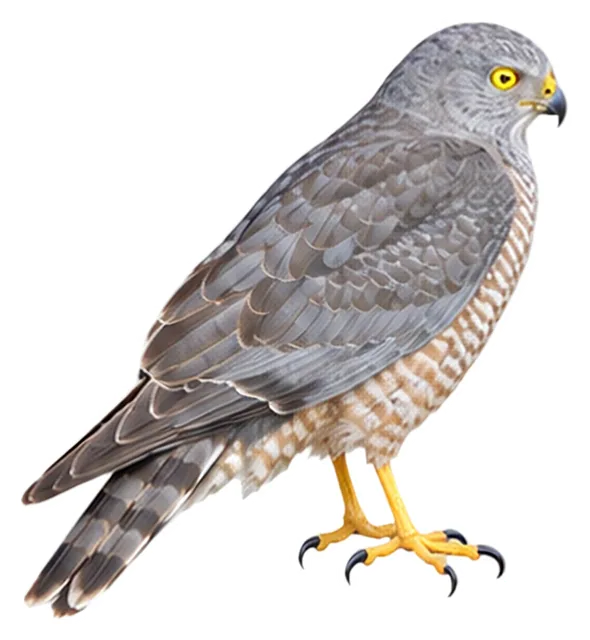
Cinereous Harrier
Circus cinereus Vieillot, 1816
400 gWeight
The cinereous harrier (Circus cinereus) is a South American bird of prey of the harrier family.
Busiest months: October–November · Most records: Chile, Argentina, Peru
Where and when it's recorded
Busiest months: October–November · Most records: Chile, Argentina, Peru

Cinereous Harrier has been recorded at 185 of the 8,276 birding hotspots we track, in 10 countries and regions.
Records by month Southern Hemisphere
Where it's recorded most
- SN Laguna BatucoChile1,540 records
- Reserva Natural Municipal Laguna NimezArgentina1,271 records
- Humedal Lucre-HuacarpayPeru964 records
More places
- Punta LoyolaArgentina343 records
- Humedales de La CapillaChile338 records
- Río Elqui – DesembocaduraChile244 records
- Reserva Provincial de Aves PlayerasArgentina238 records
- Lampa – Puente Negro Sur †Chile218 records
- AntisanaEcuador214 records
- Quintero – PotreroChile202 records
Countries and regions with the most records
eBird records via GBIF up to 2024-12-31. A record means someone listed it; more records partly mean more birders, not more birds.
About
The cinereous harrier (Circus cinereus) is a South American bird of prey of the harrier family. Its breeding range extends from the Tierra del Fuego through Argentina and Chile to Bolivia, Paraguay, Peru and southern Brazil; and across the Andes north to Colombia. The bird's population is declining but due to its large range is not considered vulnerable.
Excerpt from Wikipedia, CC BY-SA 4.0 · authors · Read more on Wikipedia
Questions
How big is the Cinereous Harrier?
The Cinereous Harrier weighs around 400 g.
Where does the Cinereous Harrier live?
Its breeding range: South America: central Colombia to Tierra del Fuego, Paraguay and southeastern Brazil to Tierra del Fuego. It is most often recorded in Chile, Argentina and Peru.
When is the best time to see the Cinereous Harrier?
At the hotspots we track, it is recorded most in October and November (Southern Hemisphere).
Is the Cinereous Harrier endangered?
The IUCN Red List classifies the Cinereous Harrier as Least Concern.
What does the Cinereous Harrier eat?
Main food: Vertebrate prey.
What family is the Cinereous Harrier in?
It belongs to the family Kites, Hawks, Eagles (Accipitridae), order Accipitriformes.
At a glance
- Weight
- 400 g
- Habitat
- Grassland
- Diet
- Vertebrate prey
- Lifestyle
- Feeds in the air
- Migration
- Partial migrant
- Conservation
- Least Concern
More measurements
- Wing
- 344 mm
- Tail
- 240 mm
- Bill
- 30 mm
- Tarsus
- 68 mm
Averages from the AVONET dataset; length from field guides where available.
Range
South America: central Colombia to Tierra del Fuego, Paraguay and southeastern Brazil to Tierra del Fuego
Breeding range, IOC World Bird List 15.2
Classification
- Order
- Accipitriformes
- Family
- Kites, Hawks, Eagles Accipitridae
- Genus
- Circus
Other birds in the genus Circus
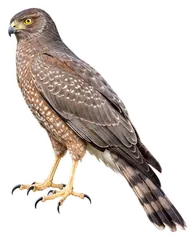 Spotted HarrierCircus assimilis
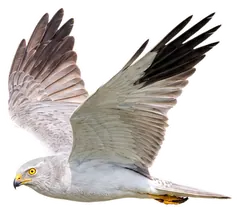 Pallid HarrierCircus macrourus
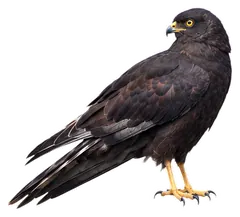 Black HarrierCircus maurus
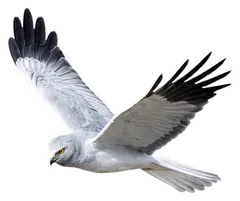 Hen HarrierCircus cyaneus
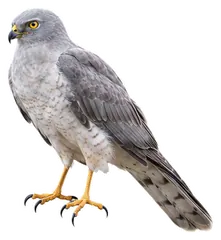 Northern HarrierCircus hudsonius
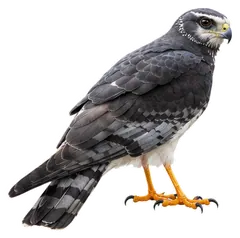 Long-winged HarrierCircus buffoni
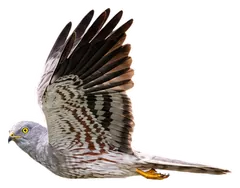 Montagu's HarrierCircus pygargus
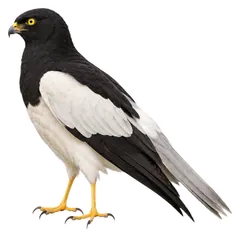 Pied HarrierCircus melanoleucos
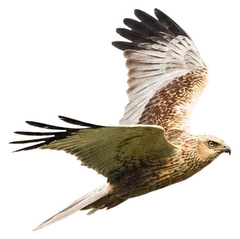 Western Marsh HarrierCircus aeruginosus
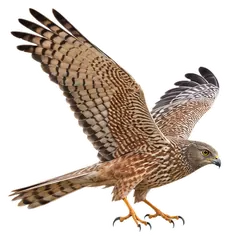 African Marsh HarrierCircus ranivorus
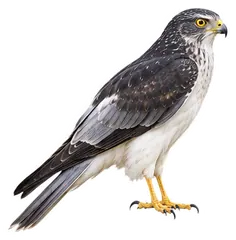 Eastern Marsh HarrierCircus spilonotus
 Papuan HarrierCircus spilothorax
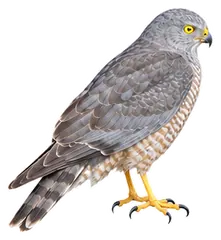
Download illustration
Free to use with credit: “Illustration: Bird Album (birdalbum.com)”. Drawn by AI from a reference photo by pkondrashov. ↗
Heard it but can't see it? Mingji identifies birds by sound and photo, on your phone.