 Bird Album
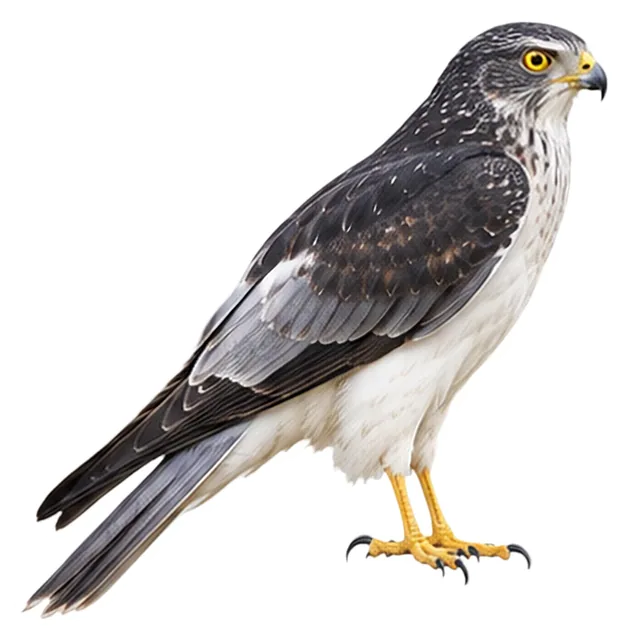
Eastern Marsh Harrier
Circus spilonotus Kaup, 1847
≈57 cmLength559 gWeight
It patrols low with wings held in a shallow V; the male has gray flight feathers, black wingtips and a white rump.
Busiest months: January and October · Most records: China, Thailand, Cambodia
How to identify
Field marks
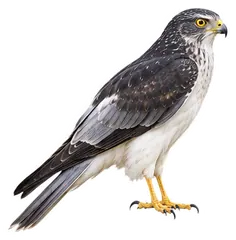
- Male head, breast and back usually black with pale markings
- Male flight feathers gray, wingtips black, leading edge white
- Male tail gray, rump white, underparts mostly white
Male, female and young
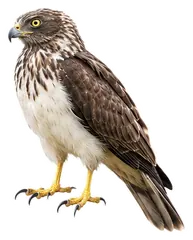
Female dark brown, with pale yellow markings on head and underparts and often a whitish rump; juvenile dark brown with a pale yellow head.
Voice
Usually rather quiet, most often giving cat-like calls at night roosts.
Where and when it's recorded

Eastern Marsh Harrier has been recorded at 732 of the 8,171 birding hotspots we track, in 16 countries and regions.
Records by month Northern Hemisphere
Where it's recorded most
- Mai Po Nature ReserveHong Kong (China)1,851 records
- Aogu Wetland IBATaiwan (China)1,293 records
- Nanhui DongtanChina798 records
More places
- Kenting NP – Sheding Lingxiao Pavilion (Raptors Observation Spot)Taiwan (China)551 records
- Ang Trapeang ThmorCambodia532 records
- Khao Dinsor (Khao Dinso) / Chumphon Raptor CenterThailand461 records
- Bengal Florican ReserveCambodia391 records
- Guandu IBATaiwan (China)378 records
- Pingtung – Longluan Lake Northern Farmlands/WetlandsTaiwan (China)370 records
- Huajiang IBA – Huajiang Wild Duck Nature Park (Huajiang to Zhongxing Bridge)Taiwan (China)365 records
Countries and regions with the most records
eBird records via GBIF up to 2024-12-31. A record means someone listed it; more records partly mean more birders, not more birds.
About
The eastern marsh harrier (Circus spilonotus) is a bird of prey belonging to the marsh harrier group of harriers. It was previously considered to be conspecific with the western marsh harrier (Circus aeruginosus) but is now usually classified as a separate species. It has two subspecies: C. s. spilonotus in eastern Asia and C. s. spilothorax (Papuan harrier, perhaps a separate species) in New Guinea.
Excerpt from Wikipedia, CC BY-SA 4.0 · authors · Read more on Wikipedia
Questions
How big is the Eastern Marsh Harrier?
The Eastern Marsh Harrier is about ≈57 cm long and weighs around 559 g.
Where does the Eastern Marsh Harrier live?
Its breeding range: Palearctic: central Siberia to northeastern China and Japan. It is most often recorded in China, Thailand and Cambodia.
When is the best time to see the Eastern Marsh Harrier?
At the hotspots we track, it is recorded most in January and October (Northern Hemisphere).
Is the Eastern Marsh Harrier endangered?
The IUCN Red List classifies the Eastern Marsh Harrier as Least Concern.
What does the Eastern Marsh Harrier eat?
Main food: Vertebrate prey.
What family is the Eastern Marsh Harrier in?
It belongs to the family Kites, Hawks, Eagles (Accipitridae), order Accipitriformes.
At a glance
- Length
- ≈57 cm
- Weight
- 559 g
- Habitat
- Wetland
- Diet
- Vertebrate prey
- Lifestyle
- Feeds in the air
- Migration
- Migratory
- Conservation
- Least Concern
More measurements
- Wing
- 407 mm
- Tail
- 241 mm
- Bill
- 38 mm
- Tarsus
- 86 mm
Averages from the AVONET dataset; length from field guides where available.
Range
Palearctic: central Siberia to northeastern China and Japan
Breeding range, IOC World Bird List 15.2
Classification
- Order
- Accipitriformes
- Family
- Kites, Hawks, Eagles Accipitridae
- Genus
- Circus
Other birds in the genus Circus
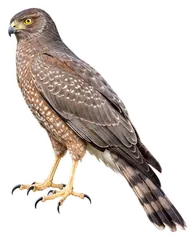 Spotted HarrierCircus assimilis
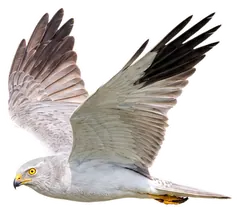 Pallid HarrierCircus macrourus
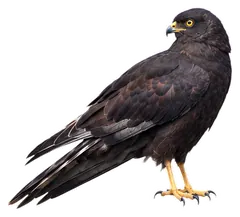 Black HarrierCircus maurus
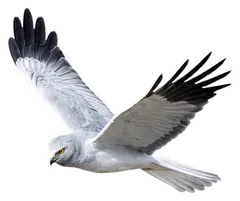 Hen HarrierCircus cyaneus
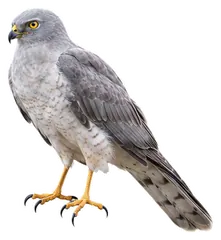 Northern HarrierCircus hudsonius
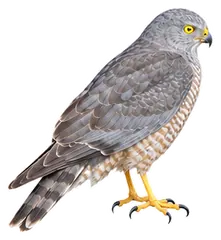 Cinereous HarrierCircus cinereus
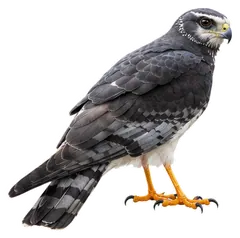 Long-winged HarrierCircus buffoni
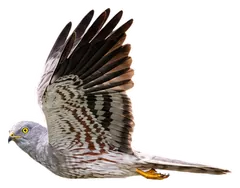 Montagu's HarrierCircus pygargus
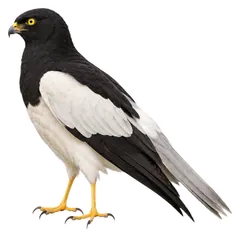 Pied HarrierCircus melanoleucos
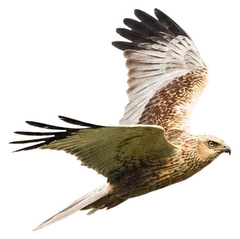 Western Marsh HarrierCircus aeruginosus
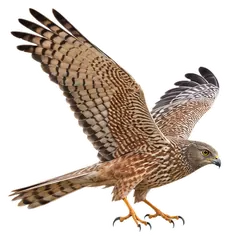 African Marsh HarrierCircus ranivorus
 Papuan HarrierCircus spilothorax
Download illustration
Free to use with credit: “Illustration: Bird Album (birdalbum.com)”. Drawn by AI from a reference photo by (c) Анна Васильченко, some rights reserved (CC BY). ↗

Heard it but can't see it? Mingji identifies birds by sound and photo, on your phone.
In other languages
- EnglishEastern Marsh Harrier
- 简体中文白腹鹞
- 繁體中文東方澤鵟
- 日本語チュウヒ
- 한국어개구리매
- DeutschMangroveweihe
- FrançaisBusard d’Orient
- EspañolAguilucho lagunero oriental
- Portuguêságuia-sapeira-oriental
- ItalianoAlbanella orientale
- NederlandsOostelijke Bruine Kiekendief
- РусскийВосточный лунь
- Svenskabrokig kärrhök
- DanskPlettet Rørhøg
- Polskibłotniak wschodni