 Bird Album
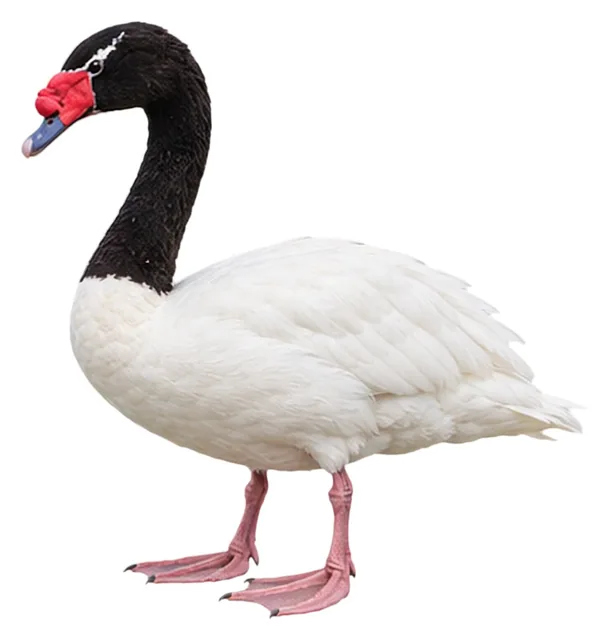
Black-necked Swan
Cygnus melancoryphus (Molina, 1782)
102–126 cmLength4.7 kgWeight
The black-necked swan (Cygnus melancoryphus) is a species of South American waterfowl in the tribe Cygnini of the subfamily Anserinae.
Busiest months: January and October–November · Most records: Chile, Argentina, Uruguay
Where and when it's recorded
Busiest months: January and October–November · Most records: Chile, Argentina, Uruguay

Black-necked Swan has been recorded at 143 of the 8,276 birding hotspots we track, in 9 countries and regions.
Records by month Southern Hemisphere
Where it's recorded most
- Reserva Ecológica Costanera SurArgentina5,337 records
- SN Laguna BatucoChile1,310 records
- Humedal Urbano CartagenaChile1,074 records
More places
- Reserva Natural Municipal Laguna NimezArgentina979 records
- SN Humedal Río Maipo – DesembocaduraChile829 records
- Transbordador Pargua-ChacaoChile722 records
- CaulínChile640 records
- Lago de RegatasArgentina556 records
- Pichilemu – Laguna PetrelChile510 records
- QuillaipeChile469 records
Countries and regions with the most records
eBird records via GBIF up to 2024-12-31. A record means someone listed it; more records partly mean more birders, not more birds.
About
The black-necked swan (Cygnus melancoryphus) is a species of South American waterfowl in the tribe Cygnini of the subfamily Anserinae. It is found in Argentina, Brazil, Chile, Uruguay, and the Falkland Islands. The black-necked swan is the smallest true swan on average, weighing between 3.5–8.7 kg (7.7–19.2 lb) as adults, but it is still the largest species of waterfowl native to South America.
Excerpt from Wikipedia, CC BY-SA 4.0 · authors · Read more on Wikipedia
Questions
How big is the Black-necked Swan?
The Black-necked Swan is about 102–126 cm long and weighs around 4.7 kg.
Where does the Black-necked Swan live?
Its breeding range: South America: Southern Cone. It is most often recorded in Chile, Argentina and Uruguay.
When is the best time to see the Black-necked Swan?
At the hotspots we track, it is recorded most in January, October and November (Southern Hemisphere).
Is the Black-necked Swan endangered?
The IUCN Red List classifies the Black-necked Swan as Least Concern.
What does the Black-necked Swan eat?
Main food: Aquatic plants.
What family is the Black-necked Swan in?
It belongs to the family Ducks, Geese, Swans (Anatidae), order Anseriformes.
At a glance
- Length
- 102–126 cm
- Weight
- 4.7 kg
- Habitat
- Wetland
- Diet
- Aquatic plants
- Lifestyle
- On the water surface
- Migration
- Partial migrant
- Conservation
- Least Concern
More measurements
- Wing
- 412 mm
- Tail
- 122 mm
- Bill
- 78 mm
- Tarsus
- 79 mm
Averages from the AVONET dataset; length from field guides where available.
Range
South America: Southern Cone
Breeding range, IOC World Bird List 15.2
Classification
- Order
- Anseriformes
- Family
- Ducks, Geese, Swans Anatidae
- Genus
- Cygnus
Other birds in the genus Cygnus
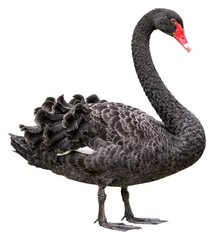 Black SwanCygnus atratus
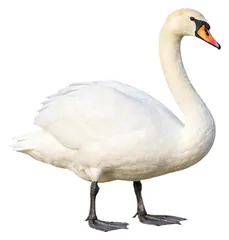 Mute SwanCygnus olor
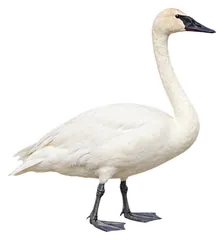 Trumpeter SwanCygnus buccinator
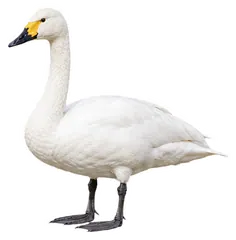 Tundra SwanCygnus columbianus
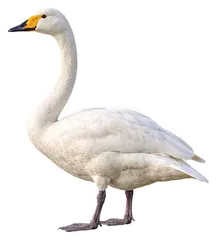 Whooper SwanCygnus cygnus
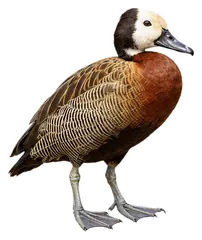 White-faced Whistling DuckDendrocygna viduata
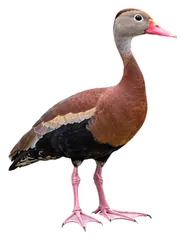 Black-bellied Whistling DuckDendrocygna autumnalis
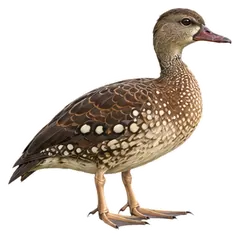 Spotted Whistling DuckDendrocygna guttata
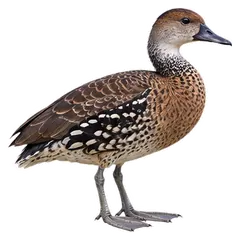 West Indian Whistling DuckDendrocygna arborea
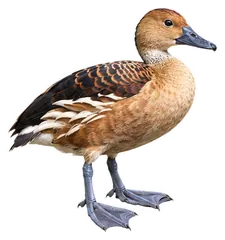 Fulvous Whistling DuckDendrocygna bicolor
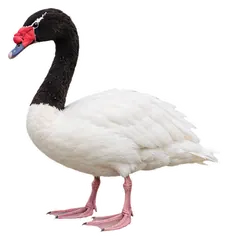
Download illustration
Free to use with credit: “Illustration: Bird Album (birdalbum.com)”. Drawn by AI from a reference photo by Mason Maron. ↗
Heard it but can't see it? Mingji identifies birds by sound and photo, on your phone.