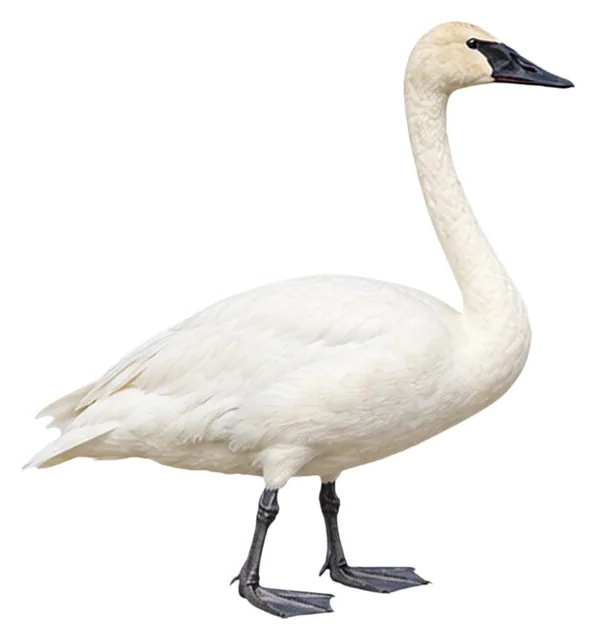
Trumpeter Swan
Cygnus buccinator Richardson, 1831
138–165 cmLength11 kgWeight
The trumpeter swan (Cygnus buccinator), or simply the trumpeter, is a species of swan found in North America.
Busiest months: May · Most records: United States, Canada, United Arab Emirates
Where and when it's recorded
Busiest months: May · Most records: United States, Canada, United Arab Emirates

Trumpeter Swan has been recorded at 314 of the 8,276 birding hotspots we track, in 4 countries and regions.
Records by month Northern Hemisphere
Where it's recorded most
- Tommy Thompson ParkCanada18,369 records
- Magee Marsh – BoardwalkUnited States7,894 records
- Old Cedar Ave. BridgeUnited States7,713 records
More places
- Howard Marsh MetroparkUnited States7,598 records
- Burlington – LaSalle Park/MarinaCanada7,349 records
- Riverlands Migratory Bird SanctuaryUnited States6,545 records
- Minnesota Valley NWR – Bass PondsUnited States6,466 records
- Reifel Bird SanctuaryCanada6,407 records
- Ottawa NWR – Wildlife DriveUnited States5,682 records
- Sandy Ridge ReservationUnited States5,466 records
Countries and regions with the most records
eBird records via GBIF up to 2024-12-31. A record means someone listed it; more records partly mean more birders, not more birds.
About
The trumpeter swan (Cygnus buccinator), or simply the trumpeter, is a species of swan found in North America. The heaviest living bird native to North America, it is also the largest extant species of waterfowl, with a wingspan of 185 to 304.8 cm (6 ft 2 in to 10 ft 2 in). It is the American counterpart and a close relative of the whooper swan (Cygnus cygnus) of Eurasia and has even been considered the same species by some authorities.
Excerpt from Wikipedia, CC BY-SA 4.0 · authors · Read more on Wikipedia
Questions
How big is the Trumpeter Swan?
The Trumpeter Swan is about 138–165 cm long and weighs around 11 kg.
Where does the Trumpeter Swan live?
Its breeding range: North America: Alaska, western Canada and north-central USA. It is most often recorded in United States, Canada and United Arab Emirates.
When is the best time to see the Trumpeter Swan?
At the hotspots we track, it is recorded most in May (Northern Hemisphere).
Is the Trumpeter Swan endangered?
The IUCN Red List classifies the Trumpeter Swan as Least Concern.
What does the Trumpeter Swan eat?
Main food: Aquatic plants.
What family is the Trumpeter Swan in?
It belongs to the family Ducks, Geese, Swans (Anatidae), order Anseriformes.
At a glance
- Length
- 138–165 cm
- Weight
- 11 kg
- Habitat
- Wetland
- Diet
- Aquatic plants
- Lifestyle
- On the water surface
- Migration
- Migratory
- Conservation
- Least Concern
More measurements
- Wing
- 626 mm
- Tail
- 178 mm
- Bill
- 108 mm
- Tarsus
- 109 mm
Averages from the AVONET dataset; length from field guides where available.
Range
North America: Alaska, western Canada and north-central USA
Breeding range, IOC World Bird List 15.2
Classification
- Order
- Anseriformes
- Family
- Ducks, Geese, Swans Anatidae
- Genus
- Cygnus
Other birds in the genus Cygnus
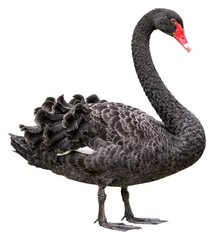 Black SwanCygnus atratus
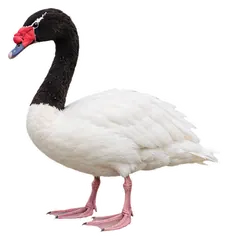 Black-necked SwanCygnus melancoryphus
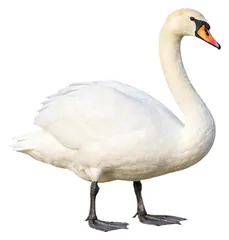 Mute SwanCygnus olor
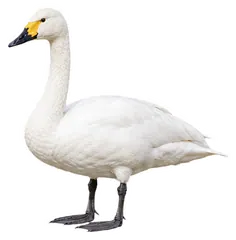 Tundra SwanCygnus columbianus
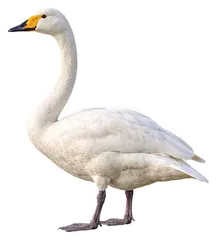 Whooper SwanCygnus cygnus
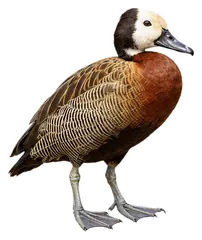 White-faced Whistling DuckDendrocygna viduata
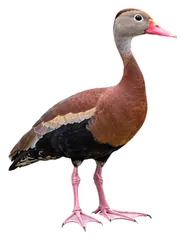 Black-bellied Whistling DuckDendrocygna autumnalis
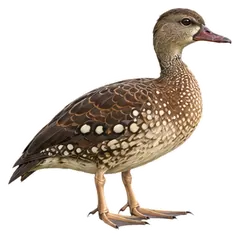 Spotted Whistling DuckDendrocygna guttata
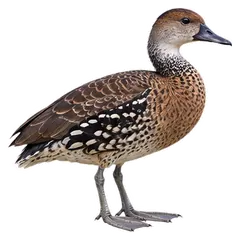 West Indian Whistling DuckDendrocygna arborea
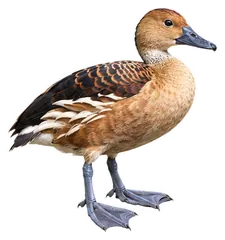 Fulvous Whistling DuckDendrocygna bicolor
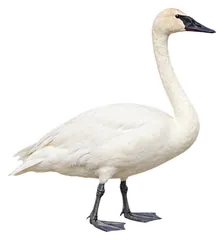
Download illustration
Free to use with credit: “Illustration: Bird Album (birdalbum.com)”. Drawn by AI from a reference photo by Brad Von Blon. ↗
Heard it but can't see it? Mingji identifies birds by sound and photo, on your phone.