 Bird Album
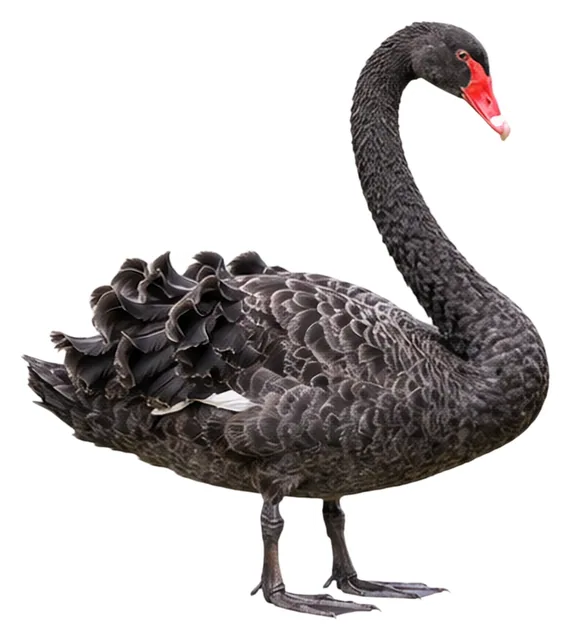
Black Swan
Cygnus atratus (Latham, 1790)
110–140 cmLength180 cmWingspan5.6 kgWeight
This large swan has black feathers, a red bill and a long neck often held in an S shape.
Busiest months: October–January · Most records: Australia, New Zealand, United Kingdom
How to identify
Field marks
- Black feathers overall, with white flight feathers exposed in flight
- Bill bright red with a pale band and pale tip
- Neck very long, often held in an S shape
- Legs and feet gray-black
Male, female and young
Male slightly larger than female, with a straighter, longer bill; chicks gray-rufous.
Voice
Gives loud, bugle-like calls in flight or while swimming, as well as low, soft humming notes.
Where and when it's recorded
Busiest months: October–January · Most records: Australia, New Zealand, United Kingdom

Black Swan has been recorded at 792 of the 8,276 birding hotspots we track, in 42 countries and regions.
Records by month Southern Hemisphere
Where it's recorded most
- Western Treatment PlantAustralia9,285 records
- Jerrabomberra Wetlands Nature ReserveAustralia7,851 records
- Centennial ParkAustralia4,555 records
More places
- Herdsman LakeAustralia3,398 records
- Royal Botanic Gardens MelbourneAustralia3,285 records
- Albert ParkAustralia3,184 records
- Western Treatment Plant – T Section PondsAustralia2,761 records
- Lake Samsonvale – Golds Scrub LaneAustralia2,487 records
- Alice Springs Sewage PondsAustralia2,353 records
- Jawbone Flora and Fauna ReserveAustralia2,173 records
Countries and regions with the most records
eBird records via GBIF up to 2024-12-31. A record means someone listed it; more records partly mean more birders, not more birds.
About
The black swan (Cygnus atratus) is a large waterbird, a species of swan which breeds mainly in the southeast and southwest regions of Australia. Within Australia, the black swan is nomadic, with erratic migration patterns dependent on climatic conditions. It is a large bird with black plumage and a red bill.
Excerpt from Wikipedia, CC BY-SA 4.0 · authors · Read more on Wikipedia
Questions
How big is the Black Swan?
The Black Swan is about 110–140 cm long, with a wingspan of 180 cm and weighs around 5.6 kg.
Where does the Black Swan live?
Its breeding range: Australasia: Australia (except northern, south-central), Tasmania, and North, South, Stewart and Chatham islands (New Zealand). It is most often recorded in Australia, New Zealand and United Kingdom.
When is the best time to see the Black Swan?
At the hotspots we track, it is recorded most in January, October, November and December (Southern Hemisphere).
Is the Black Swan endangered?
The IUCN Red List classifies the Black Swan as Least Concern.
What does the Black Swan eat?
Main food: Aquatic plants.
What family is the Black Swan in?
It belongs to the family Ducks, Geese, Swans (Anatidae), order Anseriformes.
At a glance
- Length
- 110–140 cm
- Wingspan
- 180 cm
- Weight
- 5.6 kg
- Habitat
- Wetland
- Diet
- Aquatic plants
- Lifestyle
- On the water surface
- Migration
- Partial migrant
- Conservation
- Least Concern
More measurements
- Wing
- 459 mm
- Tail
- 106 mm
- Bill
- 71 mm
- Tarsus
- 87 mm
Averages from the AVONET dataset; length from field guides where available.
Range
Australasia: Australia (except northern, south-central), Tasmania, and North, South, Stewart and Chatham islands (New Zealand)
Breeding range, IOC World Bird List 15.2
Classification
- Order
- Anseriformes
- Family
- Ducks, Geese, Swans Anatidae
- Genus
- Cygnus
Other birds in the genus Cygnus
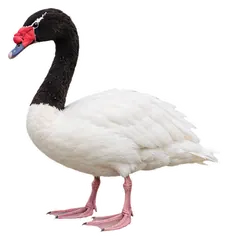 Black-necked SwanCygnus melancoryphus
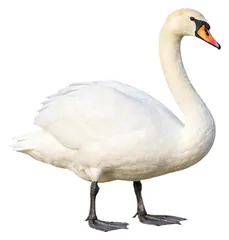 Mute SwanCygnus olor
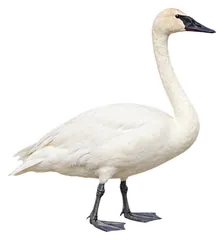 Trumpeter SwanCygnus buccinator
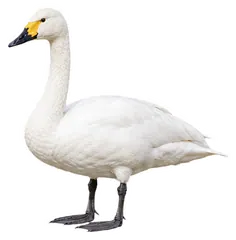 Tundra SwanCygnus columbianus
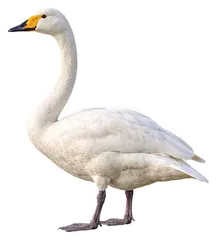 Whooper SwanCygnus cygnus
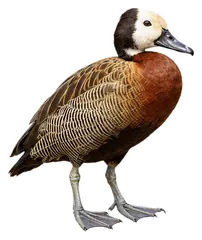 White-faced Whistling DuckDendrocygna viduata
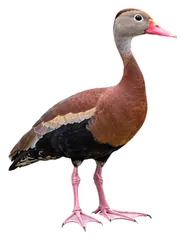 Black-bellied Whistling DuckDendrocygna autumnalis
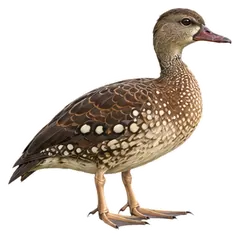 Spotted Whistling DuckDendrocygna guttata
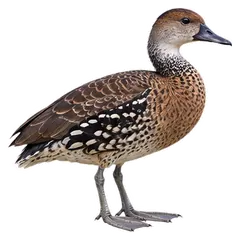 West Indian Whistling DuckDendrocygna arborea
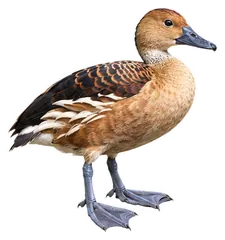 Fulvous Whistling DuckDendrocygna bicolor
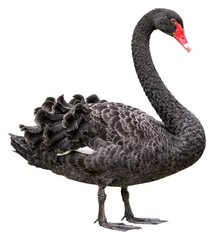
Download illustration
Free to use with credit: “Illustration: Bird Album (birdalbum.com)”. Drawn by AI from a reference photo by Charles J. Sharp. ↗

Heard it but can't see it? Mingji identifies birds by sound and photo, on your phone.