 Bird Album
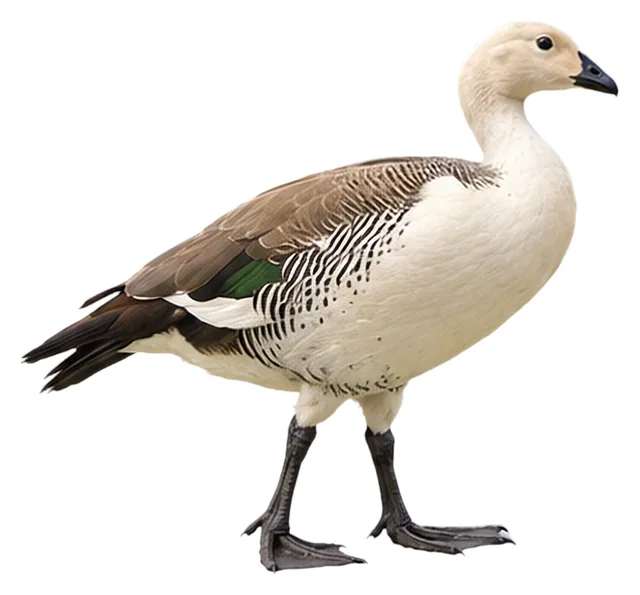
Upland Goose
Chloephaga picta (Gmelin, JF, 1789)
60–72 cmLength2.9 kgWeight
The upland goose or Magellan goose (Chloephaga picta) is a sheldgoose of the shelduck-sheldgoose subfamily of the Anatidae, the biological family that includes the ducks and most duck-like waterfowl such as the geese and swans.
Busiest months: November · Most records: Argentina, Falkland Islands, Chile
Where and when it's recorded

Upland Goose has been recorded at 41 of the 8,171 birding hotspots we track, in 7 countries and regions.
Records by month Southern Hemisphere
Where it's recorded most
- Humedal Tres PuentesChile2,331 records
- Sea Lion IslandFalkland Islands1,696 records
- Reserva Natural Municipal Laguna NimezArgentina1,576 records
More places
- Reserva Natural Urbana Bahía EncerradaArgentina1,253 records
- Parque da PazPortugal1,002 records
- PN Tierra del Fuego ÁreaArgentina936 records
- San Martín de los Andes – Reserva Natural Urbana CotesmaArgentina902 records
- Laguna Los PalosChile792 records
- Reserva Provincial de Aves PlayerasArgentina765 records
- Punta LoyolaArgentina740 records
Countries and regions with the most records
eBird records via GBIF up to 2024-12-31. A record means someone listed it; more records partly mean more birders, not more birds.
About
The upland goose or Magellan goose (Chloephaga picta) is a sheldgoose of the shelduck-sheldgoose subfamily of the Anatidae, the biological family that includes the ducks and most duck-like waterfowl such as the geese and swans. Sheldgeese resemble true geese and display similar habits, yet they are more closely related to shelducks and ducks.
Excerpt from Wikipedia, CC BY-SA 4.0 · authors · Read more on Wikipedia
Questions
How big is the Upland Goose?
The Upland Goose is about 60–72 cm long and weighs around 2.9 kg.
Where does the Upland Goose live?
Its breeding range: South America: southern Chile, southern Argentina and Falkland Islands. It is most often recorded in Argentina, Falkland Islands and Chile.
When is the best time to see the Upland Goose?
At the hotspots we track, it is recorded most in November (Southern Hemisphere).
Is the Upland Goose endangered?
The IUCN Red List classifies the Upland Goose as Least Concern.
What does the Upland Goose eat?
Main food: Land plants.
What family is the Upland Goose in?
It belongs to the family Ducks, Geese, Swans (Anatidae), order Anseriformes.
At a glance
- Length
- 60–72 cm
- Weight
- 2.9 kg
- Habitat
- Grassland
- Diet
- Land plants
- Lifestyle
- Active on the ground
- Migration
- Partial migrant
- Conservation
- Least Concern
More measurements
- Wing
- 412 mm
- Tail
- 138 mm
- Bill
- 40 mm
- Tarsus
- 72 mm
Averages from the AVONET dataset; length from field guides where available.
Range
South America: southern Chile, southern Argentina and Falkland Islands
Breeding range, IOC World Bird List 15.2
Classification
- Order
- Anseriformes
- Family
- Ducks, Geese, Swans Anatidae
- Genus
- Chloephaga
Other birds in the genus Chloephaga
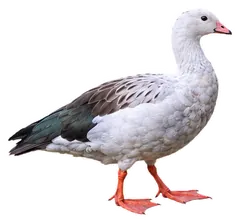 Andean GooseChloephaga melanoptera
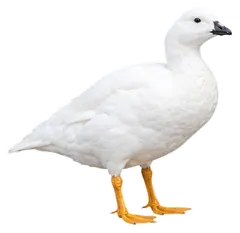 Kelp GooseChloephaga hybrida
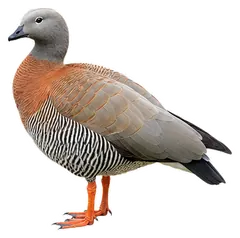 Ashy-headed GooseChloephaga poliocephala
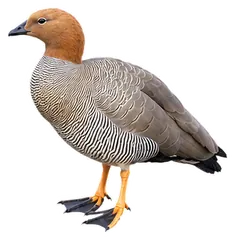 Ruddy-headed GooseChloephaga rubidiceps
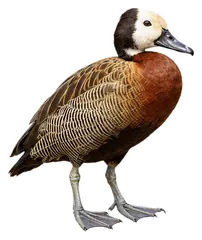 White-faced Whistling DuckDendrocygna viduata
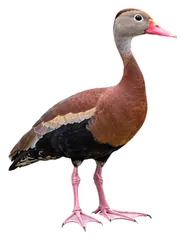 Black-bellied Whistling DuckDendrocygna autumnalis
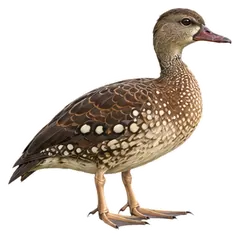 Spotted Whistling DuckDendrocygna guttata
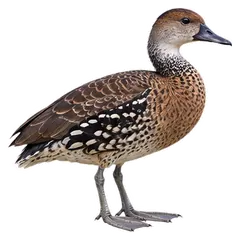 West Indian Whistling DuckDendrocygna arborea
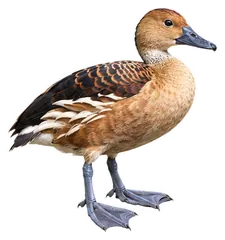 Fulvous Whistling DuckDendrocygna bicolor
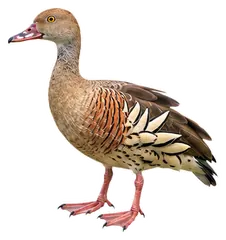 Plumed Whistling DuckDendrocygna eytoni
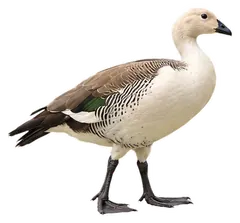
Download illustration
Free to use with credit: “Illustration: Bird Album (birdalbum.com)”. Drawn by AI from a reference photo by markus lilje. ↗
Heard it but can't see it? Mingji identifies birds by sound and photo, on your phone.