 Bird Album
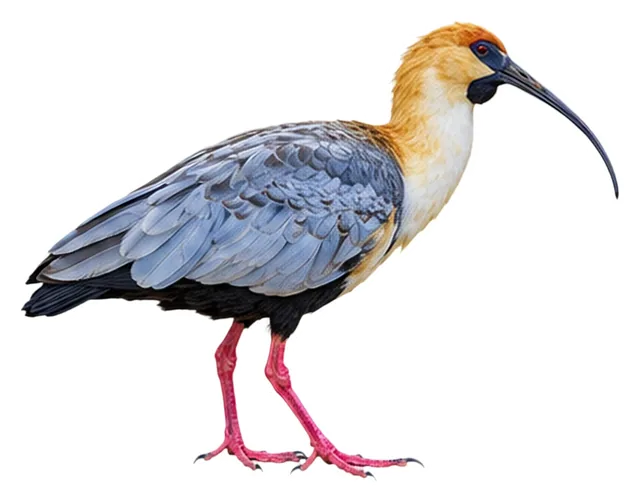
Black-faced Ibis
Theristicus melanopis (Gmelin, JF, 1789)
75 cmLength1.2 kgWeight
The black-faced ibis (Theristicus melanopis) is a species of bird in the family Threskiornithidae.
Busiest months: November · Most records: Chile, Argentina, Peru
Where and when it's recorded
Busiest months: November · Most records: Chile, Argentina, Peru

Black-faced Ibis has been recorded at 81 of the 8,276 birding hotspots we track, in 4 countries and regions.
Records by month Southern Hemisphere
Where it's recorded most
- Humedal Tres PuentesChile1,213 records
- Reserva Natural Municipal Laguna NimezArgentina1,182 records
- San Martín de los Andes – Reserva Natural Urbana CotesmaArgentina1,059 records
More places
- Isla TejaChile1,020 records
- Centro de Humedales Río CrucesChile850 records
- MN Islotes de PuñihuilChile571 records
- QuillaipeChile482 records
- Llanquihue – Humedal Las RanasChile457 records
- PN Tierra del Fuego ÁreaArgentina437 records
- Cabo BlancoChile427 records
Countries and regions with the most records
eBird records via GBIF up to 2024-12-31. A record means someone listed it; more records partly mean more birders, not more birds.
About
The black-faced ibis (Theristicus melanopis) is a species of bird in the family Threskiornithidae. It is found in grassland and fields in southern and western South America. It has been included as a subspecies of the similar buff-necked ibis, but today all major authorities accept the split.
Excerpt from Wikipedia, CC BY-SA 4.0 · authors · Read more on Wikipedia
Questions
How big is the Black-faced Ibis?
The Black-faced Ibis is about 75 cm long and weighs around 1.2 kg.
Where does the Black-faced Ibis live?
Its breeding range: South America: southwestern Peru, western Chile and southern Argentina. It is most often recorded in Chile, Argentina and Peru.
When is the best time to see the Black-faced Ibis?
At the hotspots we track, it is recorded most in November (Southern Hemisphere).
Is the Black-faced Ibis endangered?
The IUCN Red List classifies the Black-faced Ibis as Least Concern.
What does the Black-faced Ibis eat?
Main food: Omnivore.
What family is the Black-faced Ibis in?
It belongs to the family Ibises, Spoonbills (Threskiornithidae), order Pelecaniformes.
At a glance
- Length
- 75 cm
- Weight
- 1.2 kg
- Habitat
- Towns & farmland
- Diet
- Omnivore
- Lifestyle
- Active on the ground
- Migration
- Partial migrant
- Conservation
- Least Concern
More measurements
- Wing
- 382 mm
- Tail
- 155 mm
- Bill
- 143 mm
- Tarsus
- 82 mm
Averages from the AVONET dataset; length from field guides where available.
Range
South America: southwestern Peru, western Chile and southern Argentina
Breeding range, IOC World Bird List 15.2
Classification
- Order
- Pelecaniformes
- Family
- Ibises, Spoonbills Threskiornithidae
- Genus
- Theristicus
Other birds in the genus Theristicus
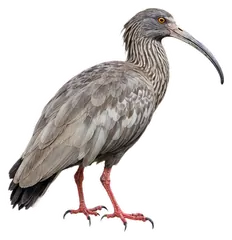 Plumbeous IbisTheristicus caerulescens
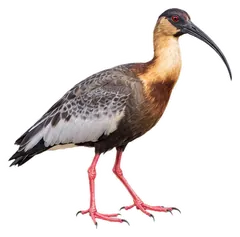 Buff-necked IbisTheristicus caudatus
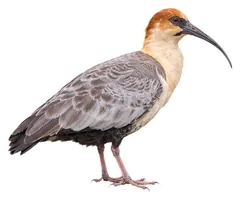 Andean IbisTheristicus branickii
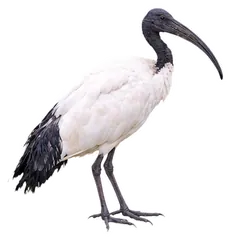 African Sacred IbisThreskiornis aethiopicus
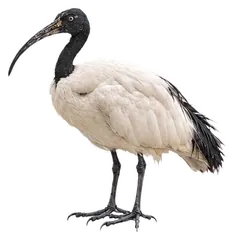 Malagasy Sacred IbisThreskiornis bernieri
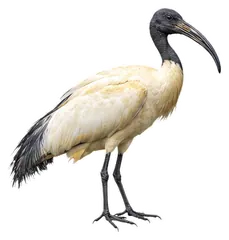 Black-headed IbisThreskiornis melanocephalus
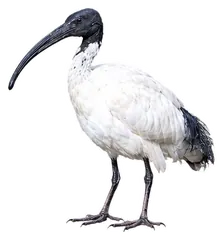 Australian White IbisThreskiornis molucca
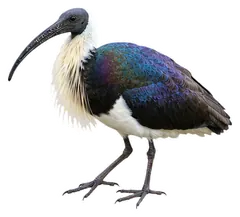 Straw-necked IbisThreskiornis spinicollis
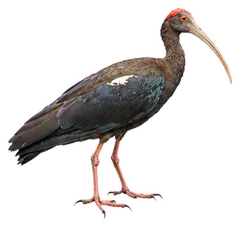 Red-naped IbisPseudibis papillosa
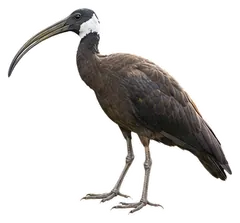 White-shouldered IbisPseudibis davisoni
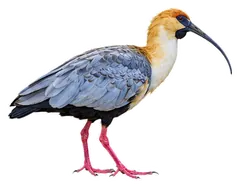
Download illustration
Free to use with credit: “Illustration: Bird Album (birdalbum.com)”. Drawn by AI from a reference photo by By.Ulises. ↗
Heard it but can't see it? Mingji identifies birds by sound and photo, on your phone.