 Bird Album
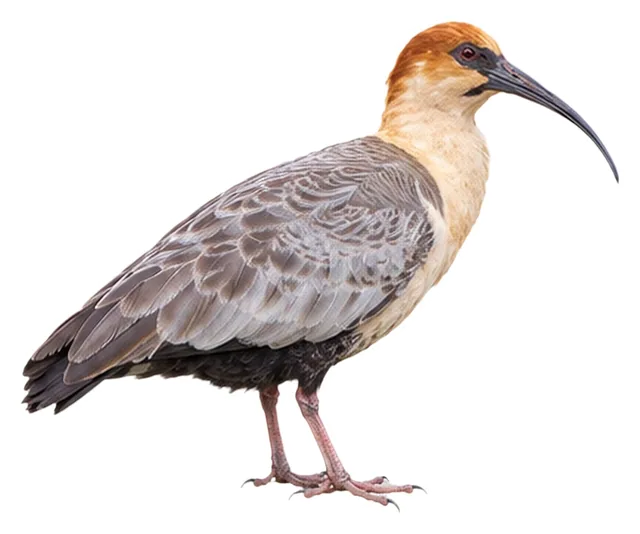
Andean Ibis
Theristicus branickii Berlepsch & Stolzmann, 1894
75 cmLength1.5 kgWeight
The Andean ibis (Theristicus branickii) is a species of bird in the family Threskiornithidae.
Busiest months: February and November · Most records: Ecuador, Peru, Chile
Where and when it's recorded

Andean Ibis has been recorded at 20 of the 8,171 birding hotspots we track, in 4 countries and regions.
Records by month Southern Hemisphere
Where it's recorded most
- PN Antisana – pradera de los ibis y alrededoresEcuador1,003 records
- AntisanaEcuador961 records
- Reserva Antisana – flujo de lava, mirador del cóndor, y alrededoresEcuador360 records
More places
- PN Antisana – Micacocha, control y alrededoresEcuador350 records
- MolinosChile173 records
- ACP Abra Málaga Thastayoc Royal CinclodesPeru125 records
- Lago PiurayPeru97 records
- Sitio Arqueológico TambomachayPeru24 records
- Tambo Cóndor Bird LodgeEcuador21 records
- La CumbreBolivia8 records
Countries and regions with the most records
eBird records via GBIF up to 2024-12-31. A record means someone listed it; more records partly mean more birders, not more birds.
About
The Andean ibis (Theristicus branickii) is a species of bird in the family Threskiornithidae. It is found in grassland and fields in western South America. This species was considered a subspecies of the black-faced ibis, and some taxonomic authorities (including the American Ornithological Society) still consider it so.
Excerpt from Wikipedia, CC BY-SA 4.0 · authors · Read more on Wikipedia
Questions
How big is the Andean Ibis?
The Andean Ibis is about 75 cm long and weighs around 1.5 kg.
Where does the Andean Ibis live?
Its breeding range: South America: Andes of Ecuador to northern Chile and northern Bolivia. It is most often recorded in Ecuador, Peru and Chile.
When is the best time to see the Andean Ibis?
At the hotspots we track, it is recorded most in February and November (Southern Hemisphere).
Is the Andean Ibis endangered?
The IUCN Red List classifies the Andean Ibis as Near Threatened.
What does the Andean Ibis eat?
Main food: Omnivore.
What family is the Andean Ibis in?
It belongs to the family Ibises, Spoonbills (Threskiornithidae), order Pelecaniformes.
At a glance
- Length
- 75 cm
- Weight
- 1.5 kg
- Habitat
- Towns & farmland
- Diet
- Omnivore
- Lifestyle
- Active on the ground
- Migration
- Partial migrant
- Conservation
- Near Threatened
More measurements
- Wing
- 396 mm
- Tail
- 192 mm
- Bill
- 130 mm
- Tarsus
- 70 mm
Averages from the AVONET dataset; length from field guides where available.
Range
South America: Andes of Ecuador to northern Chile and northern Bolivia
Breeding range, IOC World Bird List 15.2
Classification
- Order
- Pelecaniformes
- Family
- Ibises, Spoonbills Threskiornithidae
- Genus
- Theristicus
Other birds in the genus Theristicus
 Plumbeous IbisTheristicus caerulescens
 Buff-necked IbisTheristicus caudatus
 Black-faced IbisTheristicus melanopis
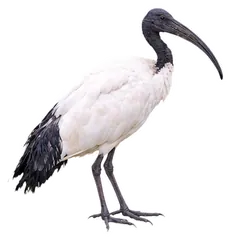 African Sacred IbisThreskiornis aethiopicus
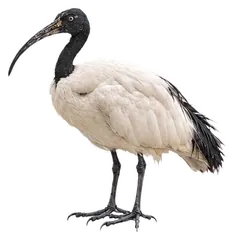 Malagasy Sacred IbisThreskiornis bernieri
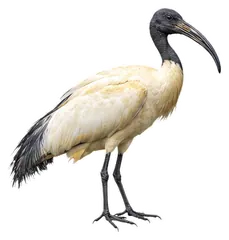 Black-headed IbisThreskiornis melanocephalus
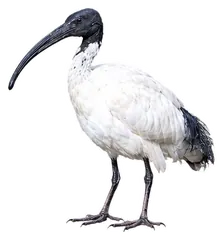 Australian White IbisThreskiornis molucca
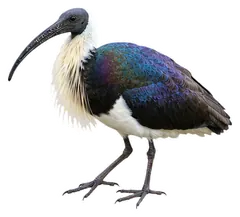 Straw-necked IbisThreskiornis spinicollis
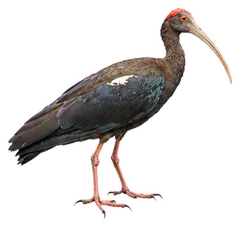 Red-naped IbisPseudibis papillosa
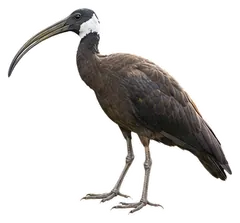 White-shouldered IbisPseudibis davisoni
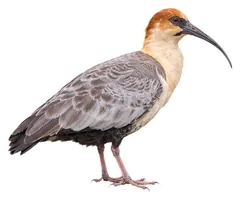
Download illustration
Free to use with credit: “Illustration: Bird Album (birdalbum.com)”. Drawn by AI from reference photos. ↗
Heard it but can't see it? Mingji identifies birds by sound and photo, on your phone.