 Bird Album
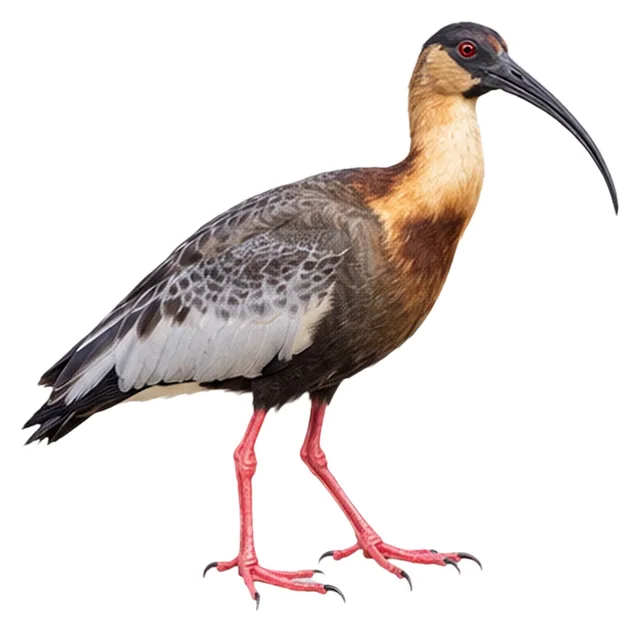
Buff-necked Ibis
Theristicus caudatus (Boddaert, 1783)
75 cmLength1.7 kgWeight
The buff-necked ibis (Theristicus caudatus), also known as the white-throated ibis, is a fairly large ibis found widely in open habitats of eastern and northern South America.
Busiest months: July–October · Most records: Brazil, Colombia, Argentina
Where and when it's recorded

Buff-necked Ibis has been recorded at 240 of the 8,171 birding hotspots we track, in 8 countries and regions.
Records by month Southern Hemisphere
Where it's recorded most
- Poconé – Pousada PiuvalBrazil2,366 records
- Aquidauana – Pousada AguapéBrazil971 records
- Pantanal – Porto JofreBrazil891 records
More places
- RN Laguna de SonsoColombia808 records
- Pousada TrijunçãoBrazil634 records
- Paso Centurión – ÁreaUruguay614 records
- Pantanal – P. Jofre boat on Rio Cuiabá & tributariesBrazil593 records
- Poconé – Pousada Pouso AlegreBrazil578 records
- Refúgio Ecológico CaimanBrazil528 records
- Hato La Aurora – Ecolodge Juan SolitoColombia454 records
Countries and regions with the most records
eBird records via GBIF up to 2024-12-31. A record means someone listed it; more records partly mean more birders, not more birds.
About
The buff-necked ibis (Theristicus caudatus), also known as the white-throated ibis, is a fairly large ibis found widely in open habitats of eastern and northern South America. It formerly included the similar black-faced ibis as a subspecies, but that species is almost entirely restricted to colder parts of South America, has a buff (not dark grey) lower chest, and lacks the contrasting large white wing-patches.
Excerpt from Wikipedia, CC BY-SA 4.0 · authors · Read more on Wikipedia
Questions
How big is the Buff-necked Ibis?
The Buff-necked Ibis is about 75 cm long and weighs around 1.7 kg.
Where does the Buff-necked Ibis live?
Its breeding range: South America: widespread. It is most often recorded in Brazil, Colombia and Argentina.
When is the best time to see the Buff-necked Ibis?
At the hotspots we track, it is recorded most in July, August, September and October (Southern Hemisphere).
Is the Buff-necked Ibis endangered?
The IUCN Red List classifies the Buff-necked Ibis as Least Concern.
What does the Buff-necked Ibis eat?
Main food: Omnivore.
What family is the Buff-necked Ibis in?
It belongs to the family Ibises, Spoonbills (Threskiornithidae), order Pelecaniformes.
At a glance
- Length
- 75 cm
- Weight
- 1.7 kg
- Habitat
- Grassland
- Diet
- Omnivore
- Lifestyle
- Active on the ground
- Migration
- Partial migrant
- Conservation
- Least Concern
More measurements
- Wing
- 393 mm
- Tail
- 215 mm
- Bill
- 152 mm
- Tarsus
- 80 mm
Averages from the AVONET dataset; length from field guides where available.
Range
South America: widespread
Breeding range, IOC World Bird List 15.2
Classification
- Order
- Pelecaniformes
- Family
- Ibises, Spoonbills Threskiornithidae
- Genus
- Theristicus
Other birds in the genus Theristicus
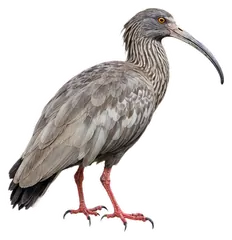 Plumbeous IbisTheristicus caerulescens
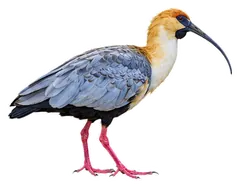 Black-faced IbisTheristicus melanopis
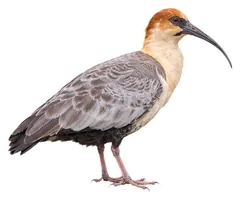 Andean IbisTheristicus branickii
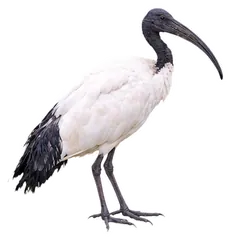 African Sacred IbisThreskiornis aethiopicus
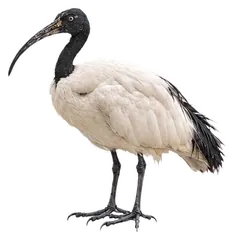 Malagasy Sacred IbisThreskiornis bernieri
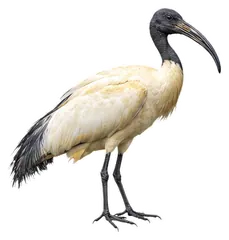 Black-headed IbisThreskiornis melanocephalus
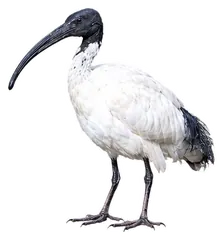 Australian White IbisThreskiornis molucca
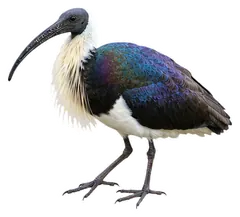 Straw-necked IbisThreskiornis spinicollis
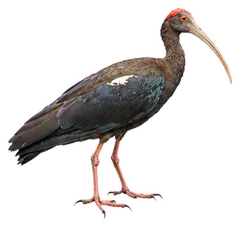 Red-naped IbisPseudibis papillosa
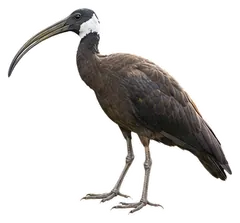 White-shouldered IbisPseudibis davisoni
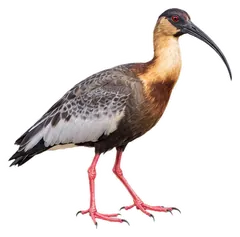
Download illustration
Free to use with credit: “Illustration: Bird Album (birdalbum.com)”. Drawn by AI from a reference photo by Greg Lasley. ↗
Heard it but can't see it? Mingji identifies birds by sound and photo, on your phone.