 Bird Album
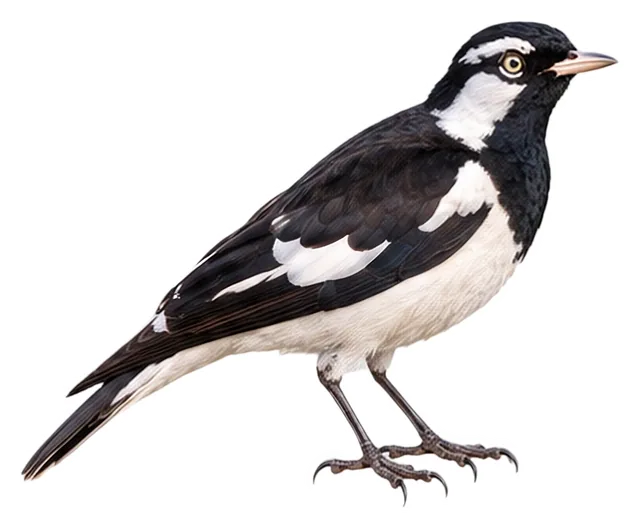
Magpie-lark
Grallina cyanoleuca (Latham, 1801)
25–30 cmLength83 gWeight
The magpie-lark (Grallina cyanoleuca), also known as wee magpie, peewee, peewit, mudlark or Murray magpie, is a passerine bird native to Australia, Timor, and southern New Guinea.
Busiest months: January and September–October · Most records: Australia
Where and when it's recorded
Busiest months: January and September–October · Most records: Australia

Magpie-lark has been recorded at 215 of the 8,276 birding hotspots we track, in 1 country or region.
Records by month Southern Hemisphere
Where it's recorded most
- Jerrabomberra Wetlands Nature ReserveAustralia9,229 records
- Western Treatment PlantAustralia8,556 records
- Oxley Creek CommonAustralia5,662 records
More places
- Sandy Camp Road WetlandsAustralia5,300 records
- Royal ParkAustralia4,649 records
- Cairns EsplanadeAustralia4,471 records
- Royal Botanic Gardens MelbourneAustralia4,258 records
- Centennial ParkAustralia4,182 records
- Bowra Wildlife SanctuaryAustralia3,775 records
- Broome Bird ObservatoryAustralia3,299 records
Countries and regions with the most records
eBird records via GBIF up to 2024-12-31. A record means someone listed it; more records partly mean more birders, not more birds.
About
The magpie-lark (Grallina cyanoleuca), also known as wee magpie, peewee, peewit, mudlark or Murray magpie, is a passerine bird native to Australia, Timor, and southern New Guinea. The male and female both have black and white plumage, though with different patterns. John Latham described the species in 1801.
Excerpt from Wikipedia, CC BY-SA 4.0 · authors · Read more on Wikipedia
Questions
How big is the Magpie-lark?
The Magpie-lark is about 25–30 cm long and weighs around 83 g.
Where does the Magpie-lark live?
Its breeding range: Australasia: far southern Trans-Fly (south-central New Guinea) and Australia (except Tasmania). It is most often recorded in Australia.
When is the best time to see the Magpie-lark?
At the hotspots we track, it is recorded most in January, September and October (Southern Hemisphere).
Is the Magpie-lark endangered?
The IUCN Red List classifies the Magpie-lark as Least Concern.
What does the Magpie-lark eat?
Main food: Fish, shrimp & shellfish.
What family is the Magpie-lark in?
It belongs to the family Monarchs (Monarchidae), order Passerines (Passeriformes).
At a glance
- Length
- 25–30 cm
- Weight
- 83 g
- Habitat
- Grassland
- Diet
- Fish, shrimp & shellfish
- Lifestyle
- Active on the ground
- Migration
- Resident (barely migrates)
- Conservation
- Least Concern
More measurements
- Wing
- 172 mm
- Tail
- 116 mm
- Bill
- 26 mm
- Tarsus
- 42 mm
Averages from the AVONET dataset; length from field guides where available.
Range
Australasia: far southern Trans-Fly (south-central New Guinea) and Australia (except Tasmania)
Breeding range, IOC World Bird List 15.2
Classification
- Order
- Passerines Passeriformes
- Family
- Monarchs Monarchidae
- Genus
- Grallina
Other birds in the genus Grallina
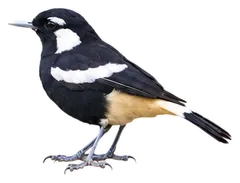 Torrent-larkGrallina bruijnii
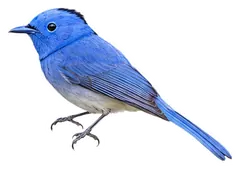 Black-naped MonarchHypothymis azurea
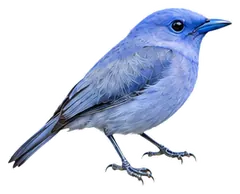 Pale-blue MonarchHypothymis puella
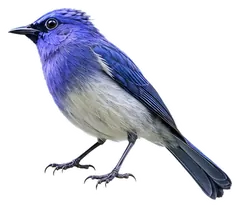 Short-crested MonarchHypothymis helenae
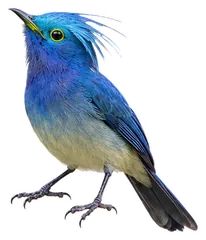 Celestial MonarchHypothymis coelestis
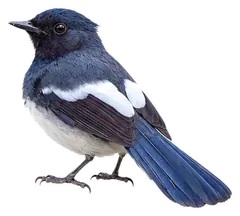 Blue-mantled Crested FlycatcherTrochocercus cyanomelas
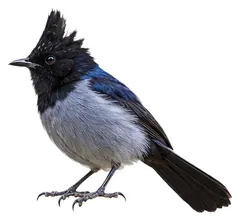 Blue-headed Crested FlycatcherTrochocercus nitens
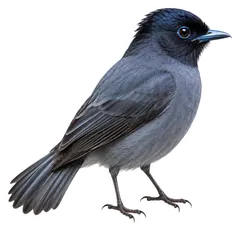 Bedford's Paradise FlycatcherTerpsiphone bedfordi
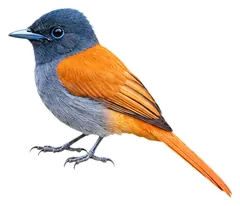 Rufous-vented Paradise FlycatcherTerpsiphone rufocinerea
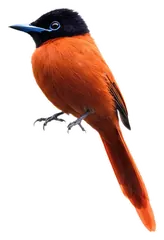 Red-bellied Paradise FlycatcherTerpsiphone rufiventer
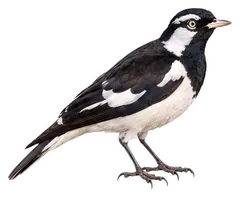
Download illustration
Free to use with credit: “Illustration: Bird Album (birdalbum.com)”. Drawn by AI from a reference photo by Geoff Whalan. ↗
Heard it but can't see it? Mingji identifies birds by sound and photo, on your phone.