 Bird Album
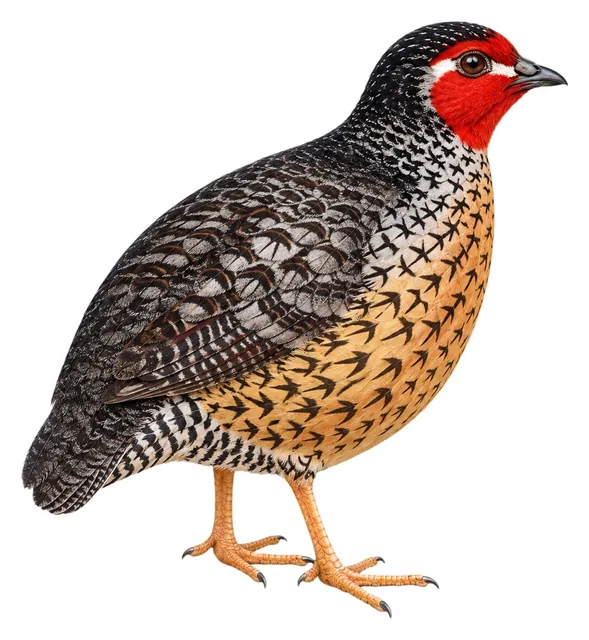
Manipur Bush Quail
Perdicula manipurensis Hume, 1881
71 gWeight
The Manipur bush quail (Perdicula manipurensis) is a species of quail found in northeastern India and possibly Bangladesh, inhabiting damp grassland, particularly stands of tall grass.
Where and when it's recorded
No records at the public birding hotspots we track. It may be rare, remote, or its locations protected.
About
The Manipur bush quail (Perdicula manipurensis) is a species of quail found in northeastern India and possibly Bangladesh, inhabiting damp grassland, particularly stands of tall grass. It was first collected and described by Allan Octavian Hume on an ornithological expedition to Manipur in 1881.
Excerpt from Wikipedia, CC BY-SA 4.0 · authors · Read more on Wikipedia
Questions
How big is the Manipur Bush Quail?
The Manipur Bush Quail weighs around 71 g.
Where does the Manipur Bush Quail live?
Its breeding range: Oriental: northeastern India and Bangladesh.
Is the Manipur Bush Quail endangered?
The IUCN Red List classifies the Manipur Bush Quail as Critically Endangered.
What does the Manipur Bush Quail eat?
Main food: Seeds.
What family is the Manipur Bush Quail in?
It belongs to the family Pheasants & Allies (Phasianidae), order Galliformes.
At a glance
- Weight
- 71 g
- Habitat
- Grassland
- Diet
- Seeds
- Lifestyle
- Active on the ground
- Conservation
- Critically Endangered
More measurements
- Wing
- 81 mm
- Tail
- 43 mm
- Bill
- 15 mm
- Tarsus
- 24 mm
Averages from the AVONET dataset; length from field guides where available.
Range
Oriental: northeastern India and Bangladesh
Breeding range, IOC World Bird List 15.2
Classification
- Order
- Galliformes
- Family
- Pheasants & Allies Phasianidae
- Genus
- Perdicula
Other birds in the genus Perdicula
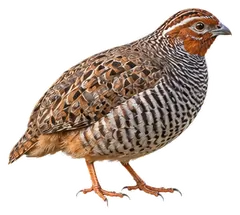 Jungle Bush QuailPerdicula asiatica
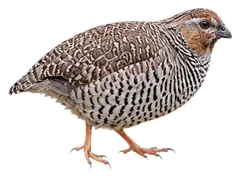 Rock Bush QuailPerdicula argoondah
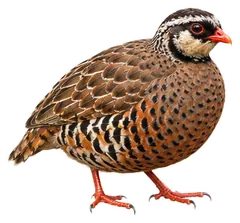 Painted Bush QuailPerdicula erythrorhyncha
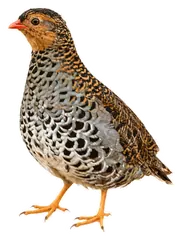 Udzungwa Forest PartridgeXenoperdix udzungwensis
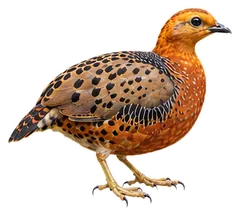 Ferruginous PartridgeCaloperdix oculeus
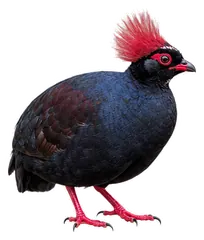 Crested PartridgeRollulus rouloul
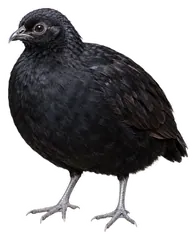 Black PartridgeMelanoperdix niger
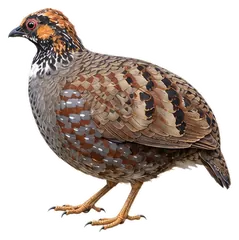 Hill PartridgeArborophila torqueola
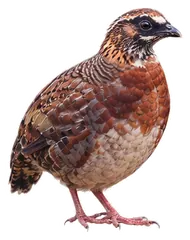 Sichuan PartridgeArborophila rufipectus
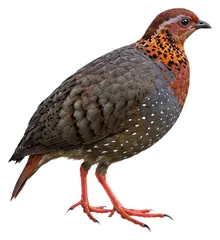 Chestnut-breasted PartridgeArborophila mandellii
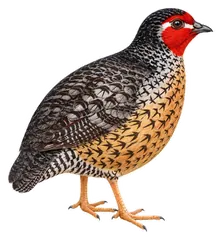
Download illustration
Free to use with credit: “Illustration: Bird Album (birdalbum.com)”. Drawn by AI from reference photos.
Heard it but can't see it? Mingji identifies birds by sound and photo, on your phone.
In other languages
- EnglishManipur Bush Quail
- 简体中文阿萨姆林鹑
- 繁體中文阿薩姆叢林鶉
- 日本語チャノドヤブウズラ
- DeutschManipurwachtel
- FrançaisPerdicule du Manipur
- EspañolPerdicilla de Manipur
- Portuguêscodorniz-de-manipur
- ItalianoQuaglietta del Manipur
- NederlandsManipurdwergpatrijs
- РусскийМанипурский перепел
- Svenskamanipurbuskvaktel
- DanskManipur Buskvagtel
- Polskiprzepióreczka ciemna