 Bird Album
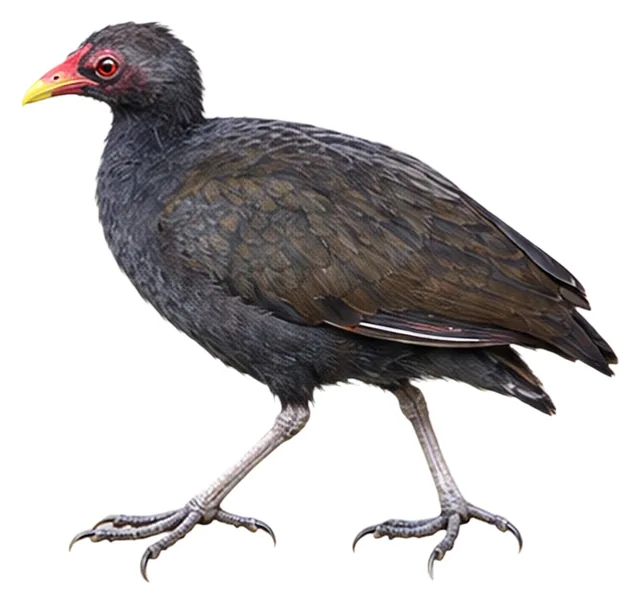
Melanesian Megapode
Megapodius eremita Hartlaub, 1868
677 gWeight
The Melanesian scrubfowl or Melanesian megapode (Megapodius eremita) is a megapode species that is endemic to islands within Melanesia.
Busiest months: July · Most records: Papua New Guinea, Solomon Islands
Where and when it's recorded
Busiest months: July · Most records: Papua New Guinea, Solomon Islands

Melanesian Megapode has been recorded at 12 of the 8,276 birding hotspots we track, in 2 countries and regions.
Records by month Southern Hemisphere
Where it's recorded most
- Garu WMAPapua New Guinea116 records
- Tetepare Nature PreserveSolomon Islands92 records
- Kulu RiverPapua New Guinea82 records
More places
- Walindi Dive ResortPapua New Guinea16 records
- Ghupuna areaSolomon Islands15 records
- Queen Elizabeth National Park – Mt. AustinSolomon Islands9 records
- Kolombangara IslandSolomon Islands7 records
- ImburanuSolomon Islands6 records
- KukunduSolomon Islands5 records
- Patu Kolo CampSolomon Islands3 records
Countries and regions with the most records
eBird records via GBIF up to 2024-12-31. A record means someone listed it; more records partly mean more birders, not more birds.
About
The Melanesian scrubfowl or Melanesian megapode (Megapodius eremita) is a megapode species that is endemic to islands within Melanesia. The Melanesian scrubfowl has a unique strategy of egg incubation in which it relies on environmental heat sources. This bird species is culturally important for Indigenous peoples in Melanesia.
Excerpt from Wikipedia, CC BY-SA 4.0 · authors · Read more on Wikipedia
Questions
How big is the Melanesian Megapode?
The Melanesian Megapode weighs around 677 g.
Where does the Melanesian Megapode live?
Its breeding range: Australasia: Karkar (north of northeastern New Guinea), Bismarck Archipelago to Solomon Islands (except Rennell and Temotu). It is most often recorded in Papua New Guinea and Solomon Islands.
When is the best time to see the Melanesian Megapode?
At the hotspots we track, it is recorded most in July (Southern Hemisphere).
Is the Melanesian Megapode endangered?
The IUCN Red List classifies the Melanesian Megapode as Least Concern.
What does the Melanesian Megapode eat?
Main food: Omnivore.
What family is the Melanesian Megapode in?
It belongs to the family Megapodes (Megapodiidae), order Galliformes.
At a glance
- Weight
- 677 g
- Habitat
- Forest
- Diet
- Omnivore
- Lifestyle
- Active on the ground
- Migration
- Resident (barely migrates)
- Conservation
- Least Concern
More measurements
- Wing
- 213 mm
- Tail
- 69 mm
- Bill
- 24 mm
- Tarsus
- 63 mm
Averages from the AVONET dataset; length from field guides where available.
Range
Australasia: Karkar (north of northeastern New Guinea), Bismarck Archipelago to Solomon Islands (except Rennell and Temotu)
Breeding range, IOC World Bird List 15.2
Classification
- Order
- Galliformes
- Family
- Megapodes Megapodiidae
- Genus
- Megapodius
Other birds in the genus Megapodius
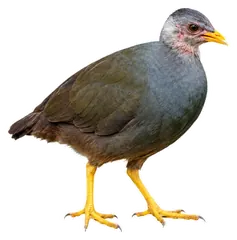 Tongan MegapodeMegapodius pritchardii
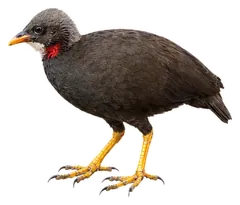 Micronesian MegapodeMegapodius laperouse
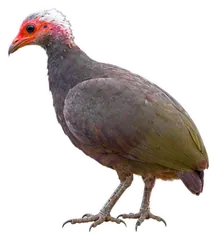 Nicobar MegapodeMegapodius nicobariensis
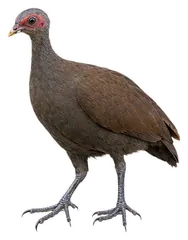 Philippine MegapodeMegapodius cumingii
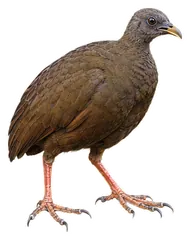 Sula MegapodeMegapodius bernsteinii
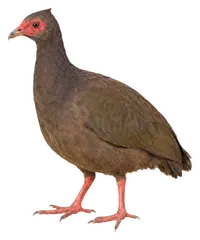 Tanimbar MegapodeMegapodius tenimberensis
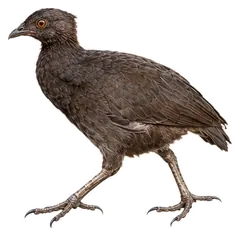 Dusky MegapodeMegapodius freycinet
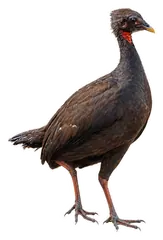 Biak ScrubfowlMegapodius geelvinkianus
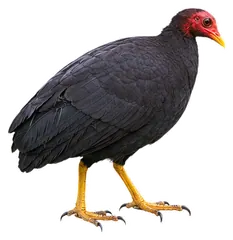 Vanuatu MegapodeMegapodius layardi
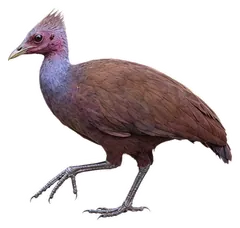 New Guinea ScrubfowlMegapodius decollatus
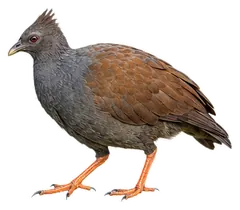 Orange-footed ScrubfowlMegapodius reinwardt
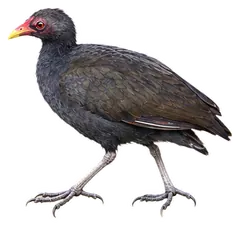
Download illustration
Free to use with credit: “Illustration: Bird Album (birdalbum.com)”. Drawn by AI from a reference photo by markus lilje. ↗
Heard it but can't see it? Mingji identifies birds by sound and photo, on your phone.
In other languages
- EnglishMelanesian Megapode
- 简体中文红斑冢雉
- 繁體中文美拉尼西亞塚雉
- 日本語メラネシアツカツクリ
- DeutschBismarck-Großfußhuhn
- FrançaisMégapode mélanésien
- EspañolTalégalo eremita
- Portuguêsfrango-do-mato-melanésio
- ItalianoMegapodio di Melanesia
- NederlandsHeremietboshoen
- РусскийМеланезийский большеног
- Svenskamelanesisk storfotshöna
- DanskMelanesisk Buskhøne
- Polskinogal melanezyjski